Almost 98 percent of factories and commercial establishments in northern Bangladesh, including in Rangpur city, are operating without trade unions, participatory committees or safety committees, placing workers at heightened risk of wage exploitation, safety gaps and sexual harassment.
The growing compliance failures are now disrupting productivity, forcing the Department of Labour to initiate legal action after years of non-cooperation from businesses.
The department has already filed cases against three organisations, including British American Tobacco Bangladesh, and is processing more than 25 additional cases as authorities attempt to bring the region’s industrial sector under existing legal frameworks. Labour officials say the lack of basic workplace structures is not only depriving employees of their rights but also undermining operational efficiency, supply chains and investment credibility for northern industries.
According to the latest data from the Labour Inspection Management Application, Bangladesh has 166,345 registered factories and establishments, but only 320 have formal safety committees. The northern region, covering Rangpur, Dinajpur, Rajshahi, Bogura, Sirajganj, Pabna and Naogaon, is home to more than 20,000 industrial and commercial establishments of various sizes. Ninety-eight percent of them have failed to form any workers’ representation body, despite legal requirements being in place for more than a decade.

Under the Bangladesh Labour Act and Bangladesh Labour Rules, any establishment with more than 50 workers must form either a trade union, a participatory committee or a safety committee through a secret ballot involving both management and worker representatives. The committees, monitored by the Department of Labour and the Department of Inspection for Factories and Establishments, are designed to facilitate routine dialogue between owners and workers.
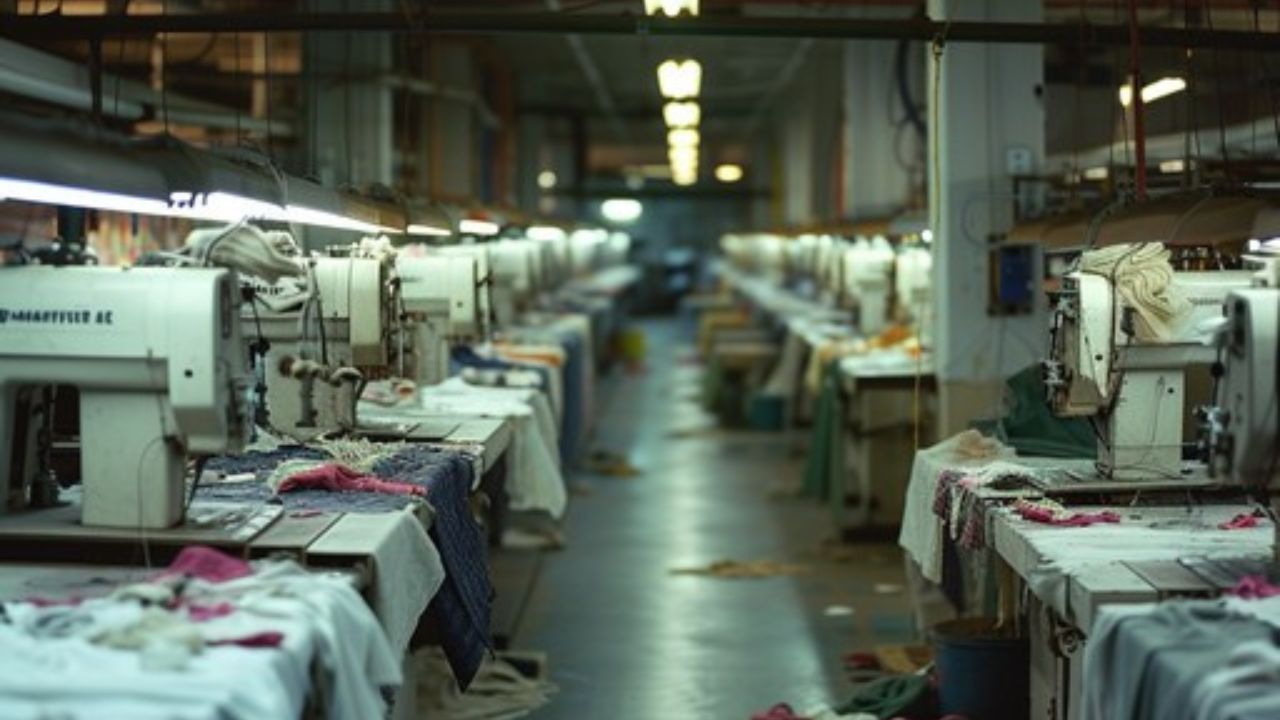
Officials say the absence of these committees means no structured meetings are held to discuss operational challenges, staffing issues or worker safety. As factories expand without proper oversight, reports of workplace accidents, harassment cases and illegal disciplinary actions are increasing. Factory-level conflicts remain unresolved because workers cannot raise complaints and owners remain unaware of the ground realities on production floors.


Labour advocates warn that the productivity of export-linked sectors is already being affected, particularly in manufacturing hubs where costs are rising due to inefficiencies and absenteeism. With no platform to negotiate or improve industrial relations, workers remain trapped in low-wage conditions and have no ability to demand safety gear or leave benefits. For female workers, conditions are more precarious, as sexual harassment cannot be formally reported without facing retaliation or job loss.
The Rangpur Regional Labour Office, which oversees four districts—Rangpur, Lalmonirhat, Kurigram and Gaibandha—reports that only 30 factories under its jurisdiction have formed the legally mandatory committees. More than 4,000 continue to operate outside the scope of compliance. Officials say the situation has remained unchanged despite multiple rounds of awareness meetings and official letters issued to business owners across sectors, including hospitals, private health clinics, brick kilns, metal workshops, food storage units and garment suppliers.
Following the political turmoil of 2024, labour authorities intensified compliance drives to rebuild governance in the sector. On 17 June, an exchange meeting was held with the Rangpur Divisional Private Hospital Clinic Diagnostic Centre Owners Association to brief them on labour laws and the requirement to form participatory committees. Yet only one institution — Good Health Hospital in Rangpur — has taken action so far. More than 130 hospitals and clinics and 30 additional factories were served legal notices but chose not to respond.
With cooperation from business owners diminishing, legal escalation is now underway. On 15 October, the Regional Labour Office filed a lawsuit against British American Tobacco Bangladesh Company Limited after an investigation found the company had significantly understated its workforce to avoid forming a participatory committee. While the company claimed to have only 16 employees, field inspections documented more than 50 workers on site, and the company’s own listing on the LIMA platform identified 508 workers at its Rangpur facility. The case was accepted by the Divisional Labour Court, which fixed 24 November as the next hearing date.
Two additional cases have been filed against Moti Bidi in Haragachh and Doctors Diagnostic Center Unit-2 in Rangpur, with more than 25 other institutions expected to face similar actions soon. Inspectors recorded 9,343 rule violations in northern factories in just 24 days of monitoring up to 24 October, with the highest number of breaches detected in Rangpur, Dinajpur and Bogura.
Officials say enforcement is becoming more complex as non-compliance grows. The Department of Inspection’s Deputy Chief Inspector Al Amin said violations could be resolved more efficiently if safety committees were present to allow grievances and corrective measures to move faster. He noted that improving internal coordination would enhance productivity and reduce operational risk for business owners.
Labour rights groups have also criticised the slow pace of reform. Fakhrul Anam Benzu, President of the Rangpur Metropolitan Committee of Sujan (Citizens for Good Governance), said the failure to establish labour committees has enabled corrupt practices by some government representatives and management officials. Workers, especially women, are the primary victims of this loophole, he said, arguing that compliance is essential not just for legal reasons but for developing a fair and competitive industrial environment.
Officials at the divisional administration say they are now prioritising protection of workers’ rights as a governance goal. Rangpur Divisional Commissioner Shahidul Islam stated that strict measures have been ordered against labour law violations and that the authorities are committed to ensuring lawful practices within factories to stabilise northern Bangladesh’s business sector.