
Over the past 12 years, Daraz has grown alongside Bangladesh’s evolving digital commerce landscape. What began with around 150 sellers has expanded into a marketplace of more than 50,000 sellers, while online shopping has moved from an occasional purchase to an increasingly everyday habit for consumers.
The journey has also been shaped by investments in trust, logistics, seller development and technology.
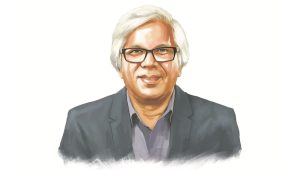
As Daraz Bangladesh marks its 12th anniversary, its Chief Commercial Officer Kamrul Hasan reflects on that transformation and discusses what comes next, from building repeat shopping behaviour and expanding nationwide commerce to the growing role of artificial intelligence (AI).
With more than 15 years of experience across e-commerce and telecommunications, Hasan currently leads Daraz’s commercial strategy, marketplace growth and seller ecosystem.
What does success look like for Daraz over the next five to ten years, and what is the realistic growth potential of e-commerce in Bangladesh?
The potential of e-commerce still remains untapped in the Bangladesh market, and that is exactly where the opportunity lies. The market still has significant room to grow, and as the ecosystem matures, I believe Bangladesh has a credible path towards e-commerce becoming a double-digit share of total retail over time.
For me, success is not simply about growing the top line. In the near term, it is about expanding the range of products and affordable price points where online shopping becomes the natural first choice rather than a secondary option.
It is also about building a stronger base of repeat, everyday shoppers instead of relying primarily on campaign-driven spikes.
Looking further ahead, success means creating a marketplace where sellers of all sizes can build sustainable, repeat-driven businesses, and where customers turn to Daraz for their everyday needs, not only during major campaigns or deal days.
If we get those fundamentals right, sustainable revenue growth will follow.
What is the biggest transformation you’ve seen in consumer behaviour, seller participation and the digital commerce ecosystem?
The clearest change I have seen is in how often people buy, not just what they buy. Twelve years ago, an online purchase was relatively occasional and carefully considered. Today, customers are much more comfortable reordering everyday essentials online, reflecting a fundamentally different relationship with the platform.

Sellers have evolved alongside that shift. Daraz has grown from around 150 sellers in its early days to more than 50,000 sellers today, with further sellers joining through our self-sign-up portal.
We have moved from convincing merchants to simply list a few products online to seeing them run increasingly sophisticated businesses on the platform, managing pricing strategies, inventory planning, campaign participation and overall business performance.
Consumer trust was one of the biggest barriers when Daraz started. What were the most important decisions that helped build confidence in online shopping, and what did the company initially get wrong about earning that trust?
Early on, there was an assumption that price alone would be enough to win customers. What we learned very quickly was that price without trust and reliable fulfilment does not create repeat behaviour.
Customers may buy once because of a discount, but they will not return if the overall experience falls short.
We faced several challenges in the early years, particularly around wrong-item deliveries, misleading product information and delivery delays, all of which could lead to customer dissatisfaction.
We responded by putting in place a governance structure for the marketplace, with processes to remove sellers who breach our policies and to control how products are described and shown.
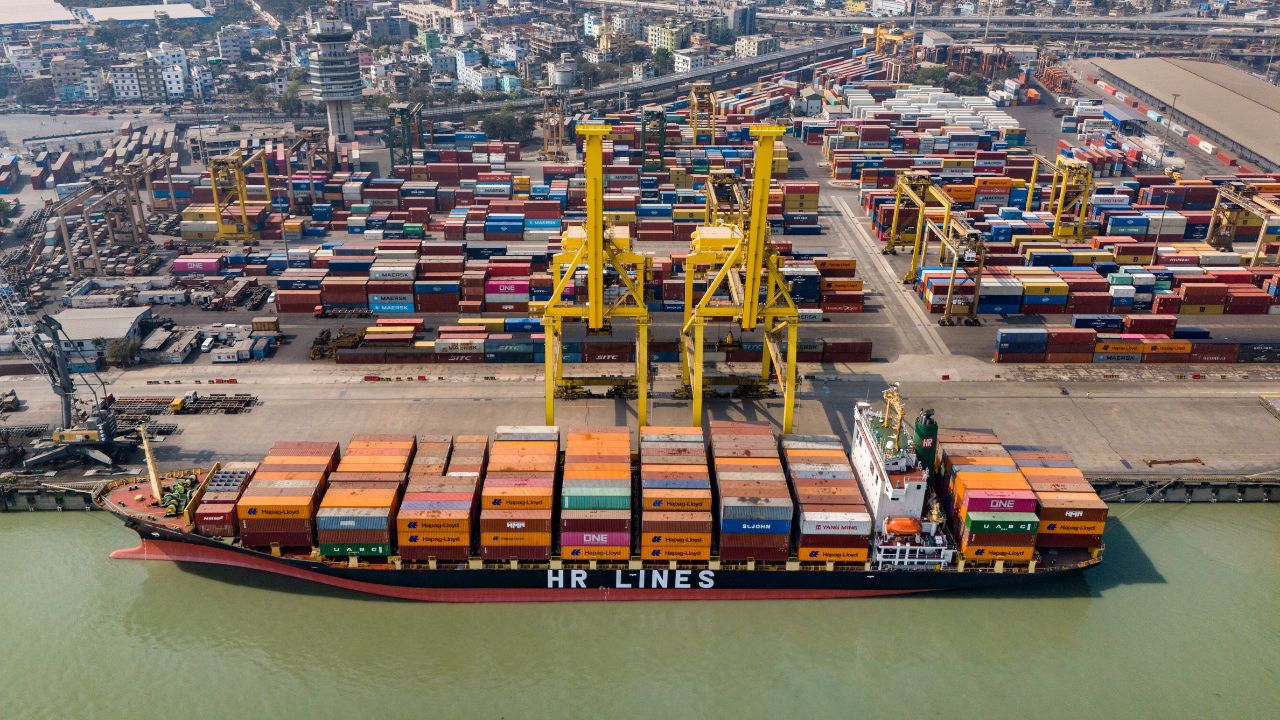
At the same time, we worked across the entire logistics pipeline to improve fulfilment. Delivery timelines have come down from around five days to less than three days across most parts of Bangladesh, while customer order returns have been reduced to less than 1 per cent of total orders.



We also extended our return window to 14 days platform-wide, giving customers greater confidence that they can shop without feeling locked into a wrong purchase.
For higher-value categories, we introduced more curated and verified shopping experiences, including what has since grown into DarazMall, to give customers additional confidence when making bigger purchasing decisions.
Ultimately, the biggest lesson was that promotions work best when they are backed by genuine trust: reliable delivery, clear product information, accountable sellers and a dependable return experience.
That combination is what drives stronger conversion, repeat purchase and long-term customer value. For me, that is the clearest evidence that trust-building worked, not just because customers told us so, but because their behaviour changed.
How important has building logistics infrastructure been to making online commerce viable beyond major cities, and what’s next on delivery speed?
Massively important, and honestly, the single decision I’d point to as having the biggest long-term impact on this business. Building our own logistics network rather than depending entirely on third-party couriers was the harder, slower and more capital-intensive path, but it allowed us to guarantee delivery reach into every district and back up every trust commitment we’ve made.
A great price or a great campaign does not matter if we cannot reliably get the package to someone outside Dhaka or Chattogram, and very little else we’ve built — the return policy, verified sellers and national campaigns — would hold up without that backbone.
On speed specifically, we are planning around the fact that it is not a differentiator anymore; it is the baseline. That is why we have introduced Fast Delivery as an option across more of the catalogue, giving customers a clear, reliable choice when they need something quickly.
Beyond that, we are leaning into fast-moving essentials and everyday-price channels where speed drives repeat purchases, and syncing promotions more closely with delivery capacity so we are not promising more than we can deliver during busy periods.
Major campaigns like 9.9 and 11.11 have become shopping moments in Bangladesh. How have these campaigns changed consumer expectations and shopping habits?
People now genuinely expect real, meaningful deals at predictable times of the year, and that is by design. We built our campaign calendar around what the industry calls double-digit campaigns — 9.9, 10.10, 11.11 and 12.12 — so customers always know there is a window coming up worth waiting for.
The positive experience helps turn occasional customers into loyal ones.
Our Everyday Low Price model in the “Choice” channel is there for the products people reorder without thinking, priced and delivered fast enough that there is less reason to wait for a big sale.
It already accounts for a meaningful share of daily orders, and growing that further is one of our top priorities.
What role will AI, data and technology play in the next phase of Daraz’s customer experience and seller support?
Daraz is leaning significantly on artificial intelligence (AI), and this sits within a broader AI transformation direction for us, not just a handful of individual features.
As part of the Alibaba ecosystem, we have a real advantage in being able to draw on Alibaba’s broader AI capabilities, technology infrastructure and experience operating at scale, and then apply that to the specific needs of our local market rather than importing it wholesale.
For customers, that means using AI and data to better understand intent, improve product discovery and make the shopping experience more relevant, so we can surface the right products, brands and offers instead of giving every customer the same experience.
For sellers, AI can help reduce some of the complexity of running an online business, improving product content and listings, generating better insights around demand and pricing, and helping them make faster, more informed decisions.
The opportunity for us is much broader than any single feature. We are increasingly looking at how AI can be embedded across the business to improve decision-making, productivity and customer experience.
At the same time, we believe human judgement remains critical, particularly wherever the technology directly affects customers, sellers and partners.
How does Daraz’s commercial work contribute to the broader development of Bangladesh’s digital economy?
A marketplace creates value beyond the transaction itself.
When a small and medium enterprise (SME) starts selling nationally, when a customer makes their first digital payment or when a local brand begins using data to manage demand, those capabilities remain in the economy.
That is really the heart of it for us. We see ourselves as playing an active role in building Bangladesh’s broader digital economy, not just growing our own marketplace within it.
Daraz University alone sees around 5,000 sellers a month coming through to upskill, and a seller in Rangpur reaching customers nationally instead of just those who walk past their shop is what that commitment looks like in practice.
Our commercial growth and the development of the wider ecosystem are increasingly interconnected. How many businesses we have helped move from local to national reach and how many people we have helped come online for the first time are as meaningful a measure of that commitment as any revenue number.
As Daraz marks 12 years in Bangladesh, the company’s journey reflects how far the country’s digital commerce ecosystem has evolved, from building consumer trust and expanding seller participation to making online shopping more accessible across the country.
Daraz aims to deepen everyday shopping behaviour, strengthen opportunities for sellers and use technology, data and AI to make commerce more relevant, reliable and inclusive.
The next chapter is not only about growing the marketplace, but also about contributing to the wider development of Bangladesh’s digital economy.