
Bangladesh’s ready-made garment (RMG) sector is entering a period of emerging challenges across three time horizons. In the short term, the industry must protect production and export orders amid energy shortages and growing buyer concerns.
In the medium term, it must prepare for the post-LDC environment.
In the long term, it must upgrade technology and efficiency to remain competitive in the global market.
The LDC graduation issue has received significant attention, but the immediate priority for the sector is different. The focus now must be on maintaining production continuity.
Even if Bangladesh receives additional time for LDC graduation, that period cannot be wasted. It must be used to prepare a clear and effective roadmap for the post-LDC era, including engagement with the European Union (EU) on changing requirements, securing favourable trade arrangements and exploring a free trade agreement (FTA) with the EU.
The importance of this preparation is serious. Around 72–73 per cent of Bangladesh’s exports are exposed to LDC-related trade preferences. Once those benefits change, the competitiveness of the RMG sector will depend on how effectively Bangladesh prepares today.
The global trade environment is already changing. Our competitors are moving ahead. India and Vietnam have secured FTAs with the EU. They have already started exporting under their FTAs.
Before their FTAs, the competing countries faced a 12.5 per cent duty in the European market, while Bangladesh has been enjoying duty-free market access there.
If no FTA is secured, after three years of LDC graduation, Bangladesh will face the 12.5 per cent duty and lose competitiveness in the European market.

However, trade preferences are not the only challenge facing the industry. Domestic production constraints have become a serious concern now.
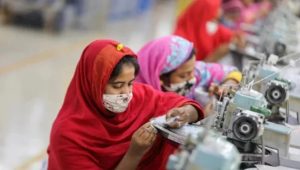
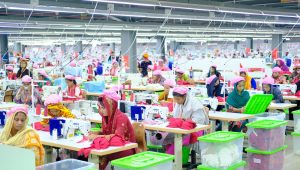
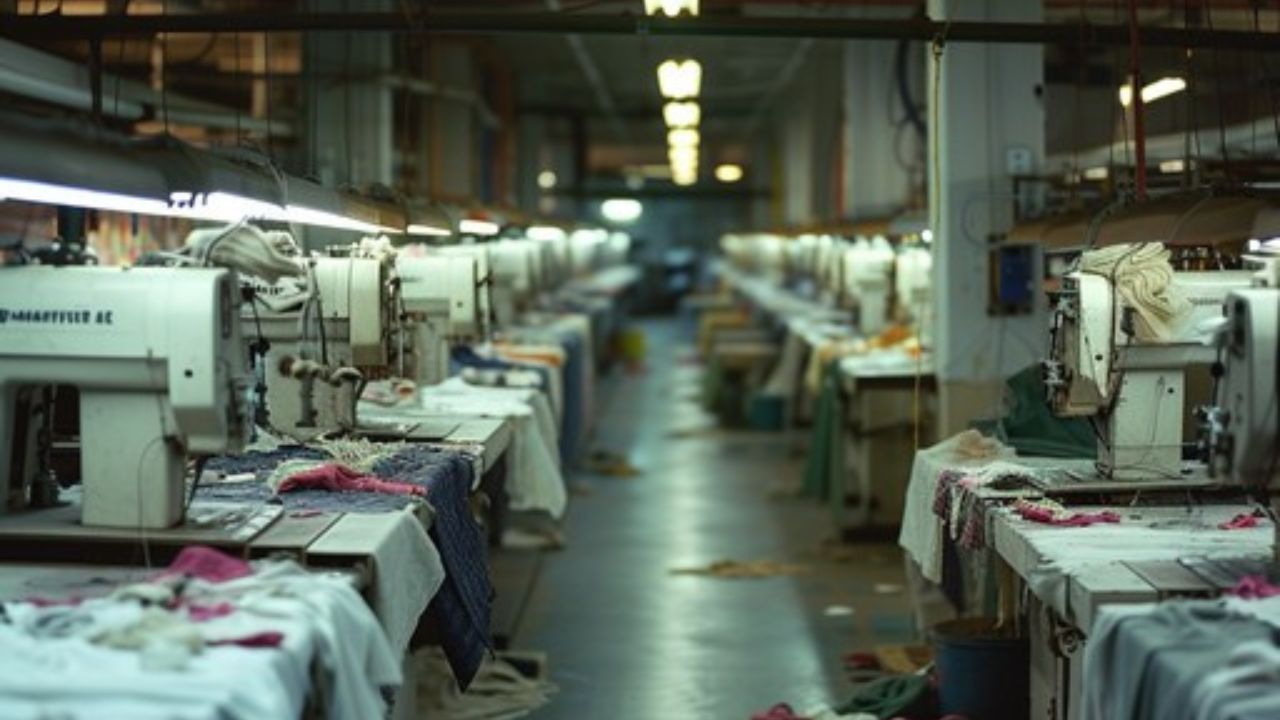
The recent gas crisis created unprecedented disruption. In the last month alone, around 40 per cent of production was affected in many factories.
The issue was not always permanent factory closure. In many cases, factories had to reduce production, remain closed temporarily for several days, manage operations based on available gas supply or depend on costly alternative fuel.
The impact on production schedules and shipment commitments was significant.
The recent disruption also highlights a deeper issue — the gradual weakening of exporters.
The industry has faced multiple pressures over time, including higher gas prices, reduced incentives, limited banking support, customs-related challenges and inconsistent taxation policies.
A factory does not become vulnerable overnight. It is a gradual process. When businesses face continuous pressure without adequate support, their ability to survive weakens over time.




The latest gas crisis added further pressure to an already difficult environment.
The biggest concern is how buyers respond to uncertainty. International buyers depend on reliable supply chains. When they are unsure whether suppliers can deliver products on time, they naturally look for alternatives.
Many buyers have already shifted a portion of their orders from Bangladesh because of concerns over shipment delays. In some cases, nearly one-third of orders have been moved elsewhere.
Bringing those orders back will not be easy. Buyers will not immediately return to suppliers unless they regain confidence that production and shipment commitments can be maintained.
The impact of these order shifts may become more visible in the coming months, as delayed shipments and reduced orders affect export performance.
Beyond immediate production challenges, the industry must prepare for new global requirements on sustainability and transparency.
Bangladesh’s exporters have already been working to meet international sustainability standards. The next major step is digital product traceability.
The industry is preparing for digital product passport (DPP) requirements, which are set to begin next year.
Under this system, products will carry a QR code. When customers scan the code, they will be able to access information about the product — including where and how it was produced, the materials used, fibre composition and carbon emissions details.
This type of transparency will become increasingly important in global markets. Exporters that fail to meet such requirements risk losing competitiveness.
Technology adoption will determine the long-term future of Bangladesh’s RMG sector.
If we cannot keep pace with global technological changes, we will automatically fall behind and gradually lose our position in international markets.
Bangladesh is already behind some competitors in technology adoption. This is why attracting foreign investment from countries such as China, Korea and Japan remains important.
Foreign investment brings more than capital. It brings advanced technology, technical expertise and experienced professionals. Working alongside global investors allows local companies and workers to learn and improve.
However, technology upgrading requires policy support.
The government needs to ensure easier access to modern technology, including duty-free import facilities for necessary equipment. Financial support is also essential because many factories cannot afford large-scale upgrades without affordable financing.
Bangladesh Bank already has green financing and technology upgrade funds with financing rates of around 5–7 per cent. However, access to these funds needs to become easier. The process of obtaining financing must be simplified so that more factories can use these facilities for modernisation.
The future competitiveness of the RMG sector will depend on addressing all three challenges together.
In the short term, Bangladesh must restore production stability and protect export orders.
In the medium term, it must prepare for the post-LDC trading environment through stronger market access strategies.
In the long term, it must invest in technology, sustainability and efficiency.
The RMG sector has built Bangladesh’s export strength over decades. But the next phase will require a different approach — one based not only on cost competitiveness but also on innovation, reliability and global standards.
We must use the time available before major changes in the trading environment wisely.
The future of Bangladesh’s largest export sector will depend on the decisions we make today.
Author is the President of Bangladesh Knitwear Manufacturers and Exporters Association. The views expressed in this article are solely those of the author.