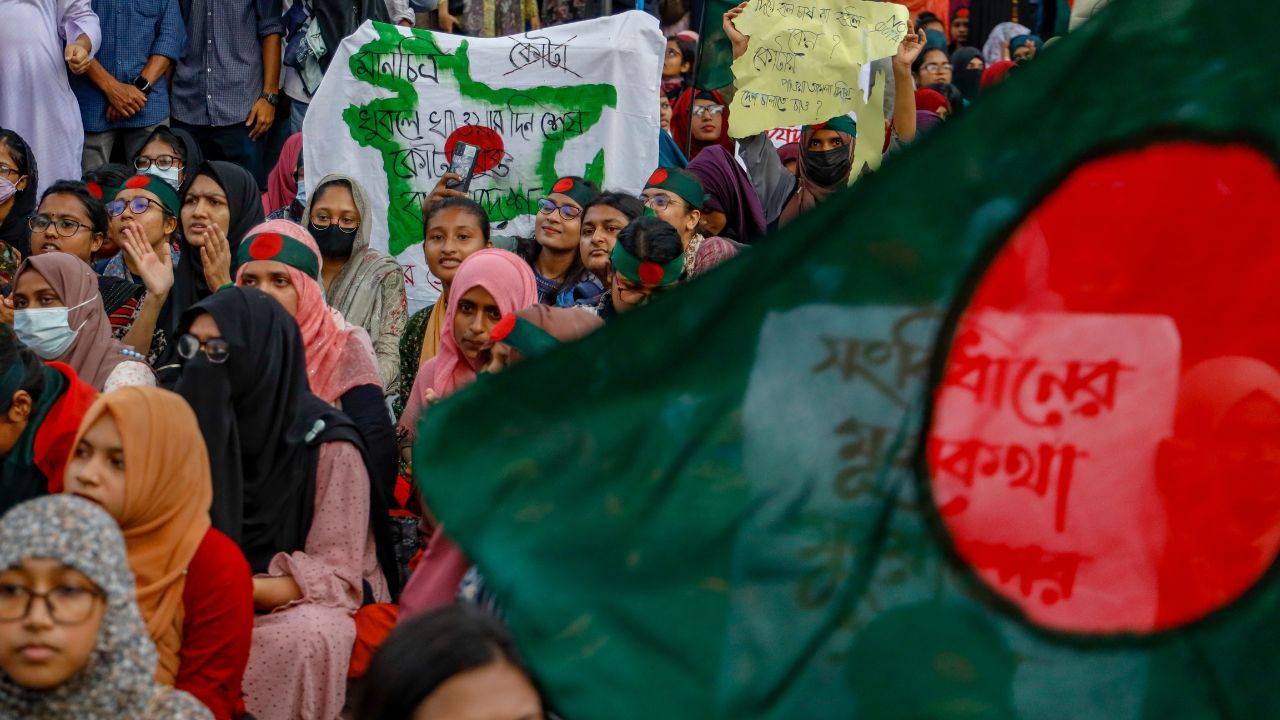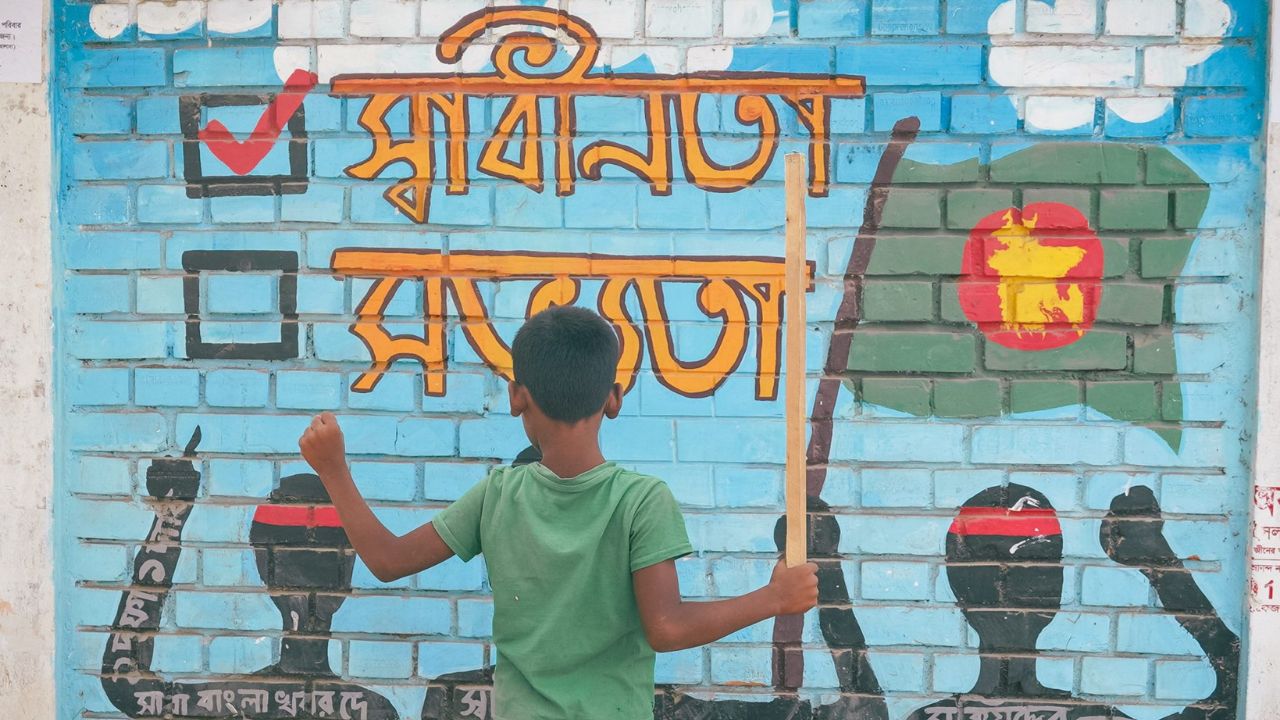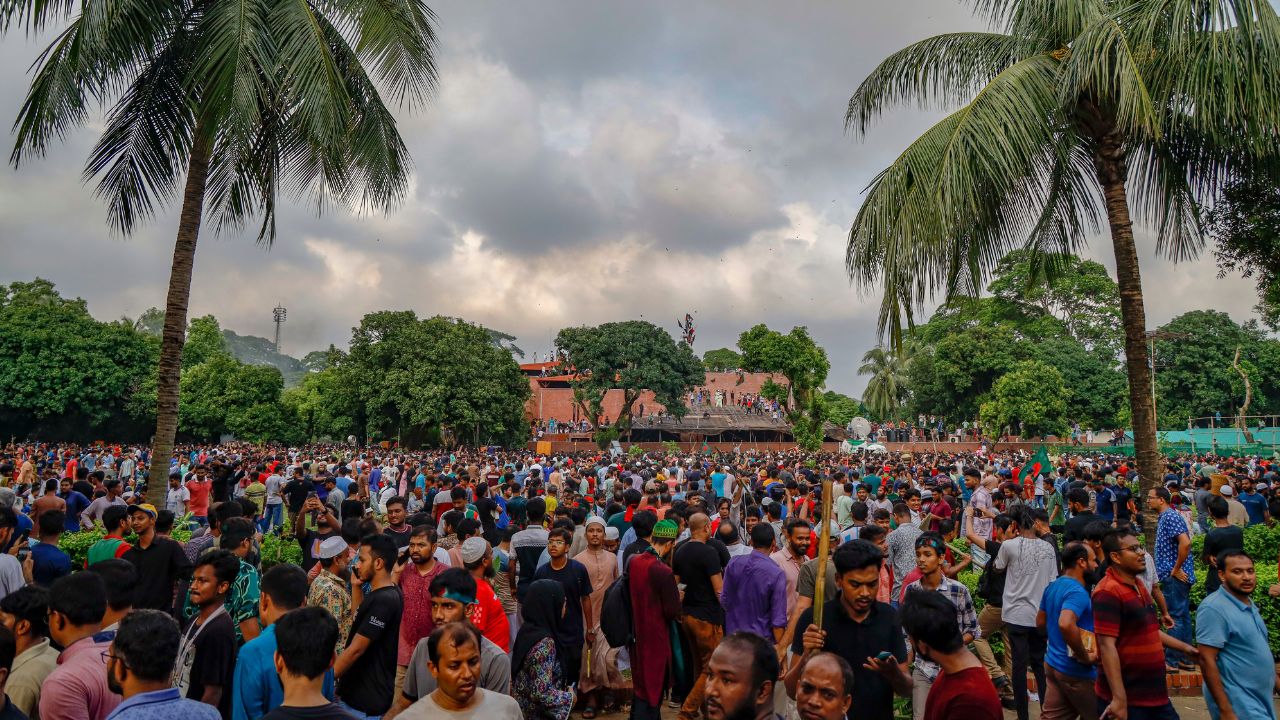



One argument often appears in discussions about the July Mass Uprising. Many say that the movement ultimately failed. They offer several reasons for this claim.
A section of the student leadership became connected with power and worked not for the public good, but for personal interests. Some of them have faced allegations of corruption, nepotism and abuse of power.
There are also allegations against the political party that emerged from July. It is said that the party has gradually moved towards right-wing politics. Many also argue that right-wing forces have risen more broadly.
On the other hand, the BNP, another major stakeholder in July, returned to its familiar style of politics after coming to power.
The old political culture has not changed much. Many non-political people who took part in the movement later returned to their own lives and professions. Many are now busy rebuilding their lives while carrying the trauma of state violence, death, fear and uncertainty.
I do not deny the importance of these allegations. There may be real reasons and arguments behind them. People’s frustration also has a basis. But it would be wrong to judge the value of a political movement as large as July only through the failures of its later leadership.
The success of a mass uprising cannot be judged only by how ethical its leaders remained afterwards. Nor is the idealism of the party that emerged from the movement the only measure. We must also ask whether the movement created any new opportunities within the state and political system.

From this perspective, I believe July’s greatest achievement was reopening the door to electoral politics. The elections of 2014, 2018 and 2024 cannot be described as normal or acceptable elections. As a result, the possibility of changing the government through the people’s vote had almost disappeared.
There was no longer any opportunity to resolve political conflict through elections. Controlled elections had become an administrative process for producing legitimacy for those in power. July delivered a major shock to that closed system. It created an opportunity to return to electoral politics.
The election held on 12 February 2026 was not perfect. The Awami League could not take part. Its political activities were banned and its registration was suspended. As a result, a major political tradition, along with its supporters and organisation, remained outside the election.
This was certainly a serious limitation. Even so, the election was more competitive than the elections of 2014, 2018 and 2024. There was real competition among political parties. A path was once again created for determining power through votes.


I believe this is where July’s greatest success lies. I accept that elections alone are not enough for democracy. But without elections, there is no path to a democratic solution.
When elections continue, people can vote against a party’s corruption, failure or authoritarian behaviour. New political parties also remain subject to public judgement. Old parties must also answer for their actions.
But when the electoral path is closed, political conflicts continue to grow. There is no peaceful way to resolve them. Politics then becomes increasingly dependent on the courts, administration, police, the streets or violence.
July brought another major change. The powerful shock that struck the state and society broke many fears for a large section of the population, even if it did not do so for everyone. Institutions, individuals and centres of power that were once difficult to question are now being questioned more openly. People are speaking more than before.
They are criticising more. But this change has not moved in only one direction. After July, new fears have also emerged for another section of society.
Lists have been made in universities, the media and cultural spaces. People have been identified on the basis of their political identity. There have been demands to remove people from their jobs or positions. In many cases, this has taken the form of witch-hunting. We must see these two realities together.
The reality is that a movement can bring down a government within a few weeks. But the political culture of a society does not change so quickly. It requires years of work. Intellectual practice must continue. Political and social engagement must be sustained.
In Bangladesh, authoritarianism is not limited to one ruler or one party. In many cases, it exists within the administration, political parties, universities, the media and even our everyday political language. Therefore, I do not expect society to become democratic simply because the government has changed. Such an expectation is not realistic.
For this reason, I do not want to describe the post-July situation as entirely disappointing. I see it as part of an ongoing political change.
There is no way to deny that the continued ban on the Awami League has created a major political crisis for the future. At present, there is no serious discussion in society about how to resolve it. Any solution without justice will increase political complications rather than reduce them.
Political revenge is also a major crisis. Witch-hunting is a crisis. The ideological deviation of new parties is a crisis. The old habits of old parties are also a crisis. But I believe that if electoral competition continues regularly, there will be opportunities to resolve these crises politically.
People can respond through their votes. They can judge the government. They can judge the opposition. They can also judge the new forces that emerged from the movement. Before July, this opportunity had almost disappeared.
July was not a revolution. It was a mass uprising. Not all its promises have been fulfilled. But it opened a closed door in politics. It restored competitive elections, an essential condition of democracy. This is July’s greatest achievement.
The question now is whether we will make that door more open, transparent and competitive, or close it again through revenge, bans and the politics of monopolising power.
The future of July will not be determined only by the personal success or failure of its leaders. It will be determined by whether Bangladesh can sustain regular elections, multiparty competition, freedom of expression and a peaceful path for resolving political conflict.
The author is a doctoral fellow at Georgia State University, United States