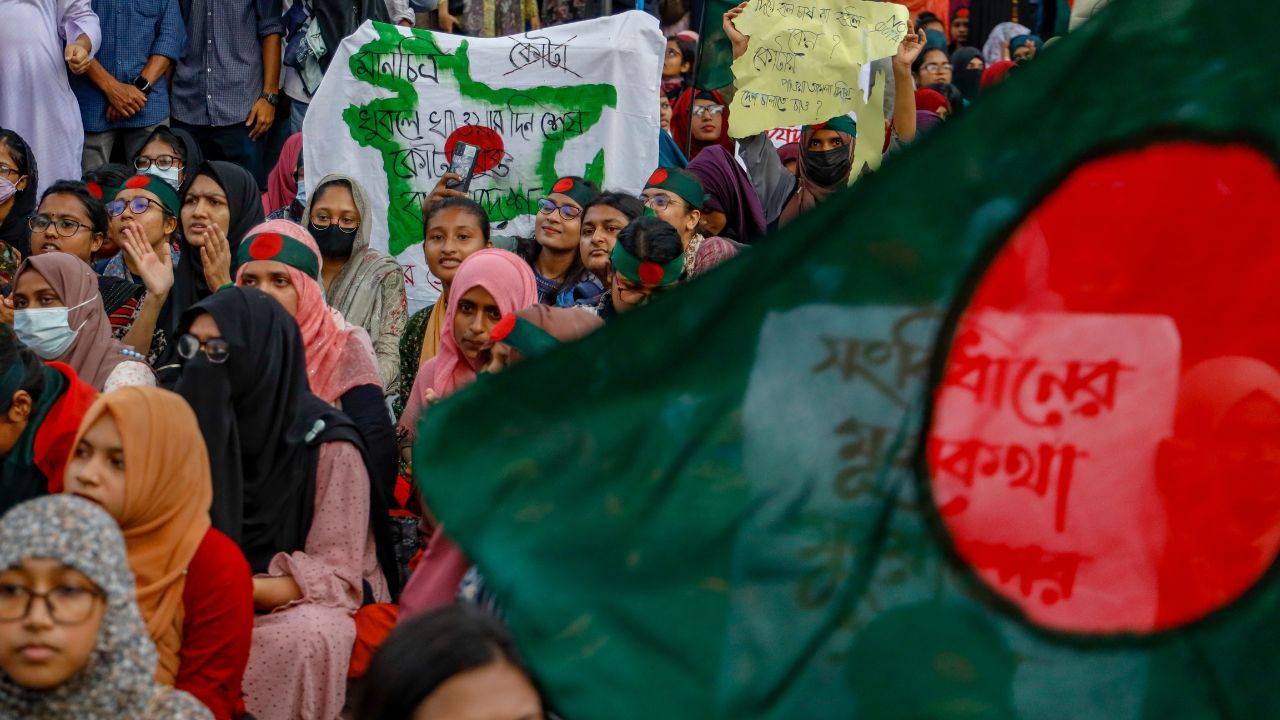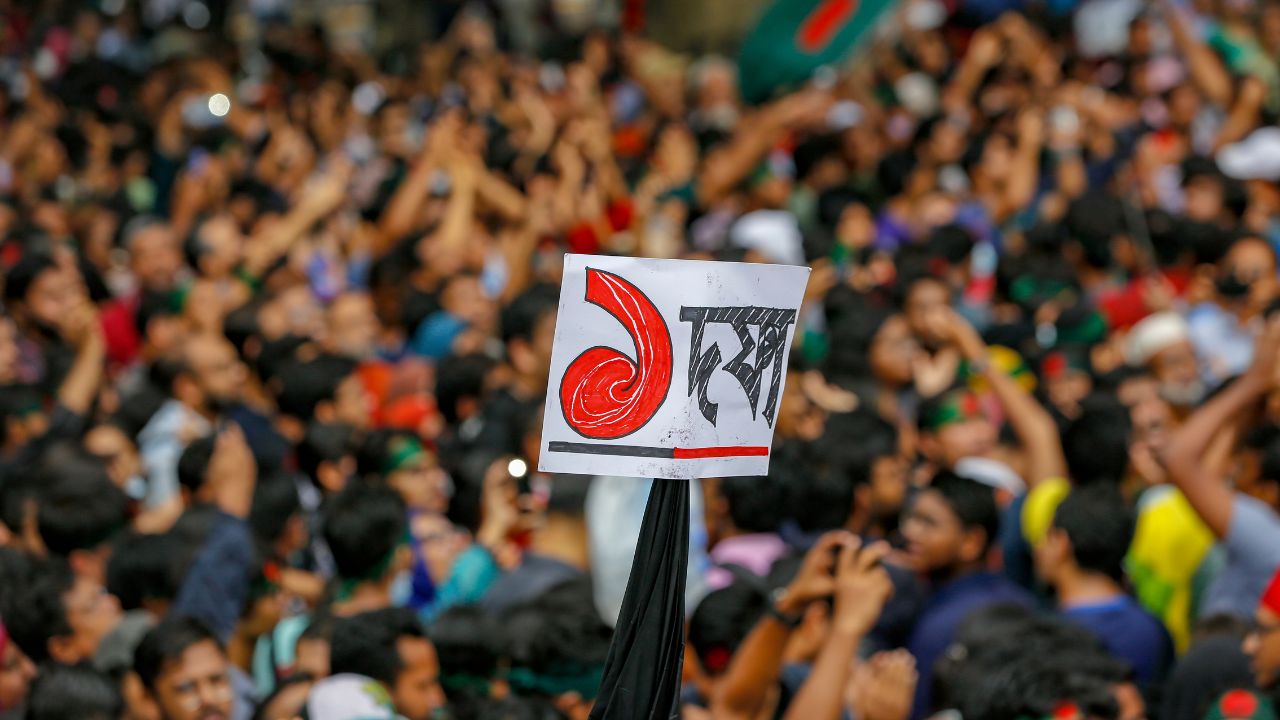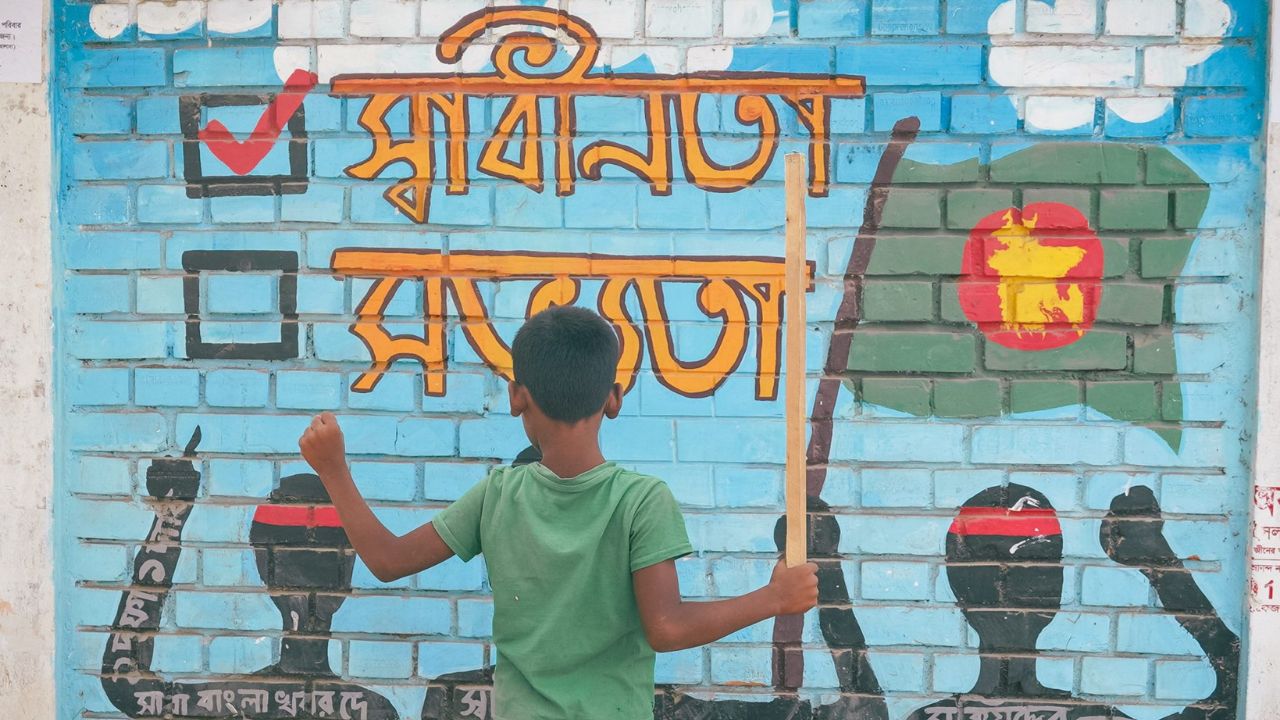

The July 2024 uprising that ended Sheikh Hasina’s government began with a demand for fair access to jobs. Two years later, the broader economic promise behind that movement — creating more opportunities for a young workforce — remains largely unfulfilled.
The quota dispute that brought students to the streets was rooted in a deeper frustration: an economy struggling to generate enough decent jobs for an expanding pool of educated young people.
The movement initially sought reform of a civil service quota system that reserved 56 per cent of government positions for specific groups, including a 30 per cent quota for descendants of Liberation War veterans.
But the anger extended beyond government jobs. It reflected a wider labour-market crisis where youth unemployment and graduate joblessness had already reached alarming levels.
Since the uprising, the challenge has intensified. Economic growth has slowed, private investment has weakened, factories have closed and the banking sector has struggled under a heavy burden of bad loans.
GDP growth, which remained around 5.8–6.6 per cent before the uprising, slowed to 3.5–4.1 per cent in the two fiscal years that followed. Private investment, the main driver of job creation, declined to around 21.5–22 per cent of GDP — the lowest level in about 14 years.
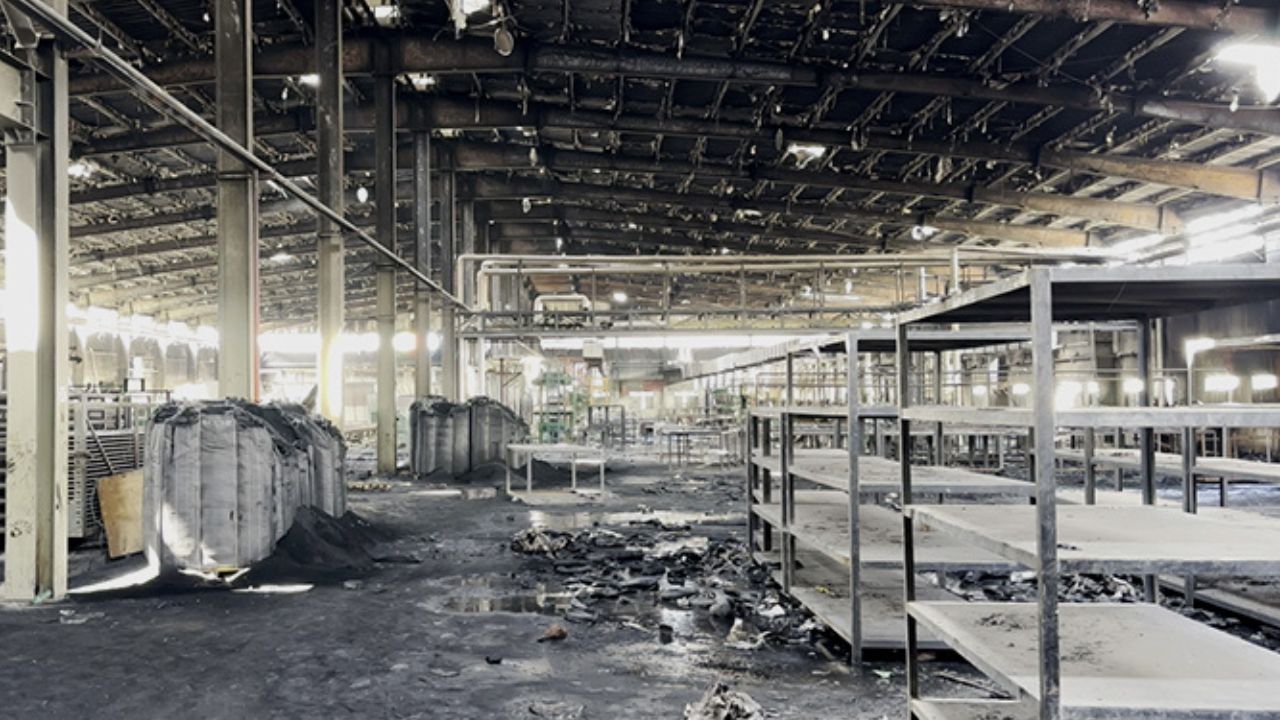
More than 450 garment and textile factories have shut since August 2024, leaving over 240,000 workers without jobs, while youth and graduate unemployment remain significantly higher than the national average.
Growth slows, investment stalls
For much of the past decade, Bangladesh’s growth model relied on expanding exports, industrialisation and rising private investment to create employment.
That momentum weakened after the political transition.
GDP growth stood at 5.82 per cent in FY2023-24, before falling sharply in the following fiscal year. The provisional estimate for FY2024-25 showed growth between 3.49 and 3.97 per cent, the slowest pace since the Covid-19 period. Growth recovered slightly to 4.14 per cent in FY2025-26 on a provisional basis, but remained below pre-uprising levels.

The bigger concern for jobs has been the decline in private investment.
Private investment fell from around 24.5 per cent of GDP in FY2023-24 to 21.53 per cent in FY2025-26, the lowest level since FY2012-13.
Private-sector credit growth — a key indicator of future business expansion — dropped from above 10 per cent in July 2024 to below 5 per cent by 2026, reflecting weak business confidence, high interest rates and uncertainty over the economic transition.
The slowdown matters because economic growth creates fewer jobs when it is not supported by new factories, business expansion and private-sector investment.
Factories close, hiring shrinks
The investment slowdown quickly affected employment.
The garment sector, which employs around four million workers and remains Bangladesh’s largest formal private employer, faced significant disruption after August 2024.
A combination of political uncertainty, attacks on some businesses linked to the former ruling party, financial stress and weaker global demand forced hundreds of factories to shut operations.

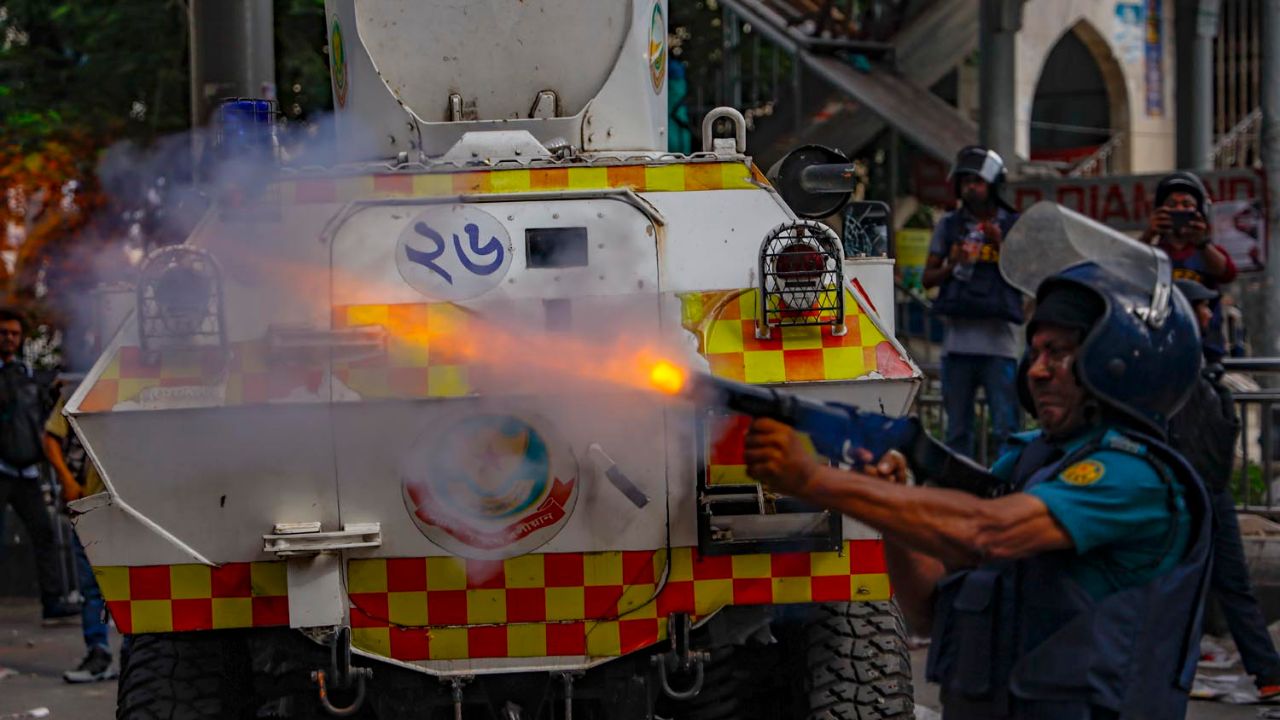

Between August 2024 and June 2026, around 457 garment and textile factories closed, leaving more than 240,000 workers jobless.
The impact was not limited to garments. Industries including leather, jute and pharmaceuticals also faced layoffs as companies struggled with higher costs, weaker demand and financing constraints.
The shortage of formal jobs became visible in recruitment data. In 2025, around 2,400 advertised banking-sector jobs attracted more than 4.25 million applications, while slightly over 11,000 garment-sector vacancies received more than 5.2 million applications.
The figures showed a labour market where job seekers far outnumber available opportunities.
Young graduates face the hardest test
The unemployment burden has fallen most heavily on young and educated Bangladeshis.
The national unemployment rate stood at 3.66 per cent in 2024, but unemployment among people aged 15–29 was 8.07 per cent.
Among tertiary graduates, unemployment reached 13.5 per cent, rising to around 20 per cent for women graduates.
The problem is not only a lack of jobs but also a mismatch between education and labour-market demand.
A government taskforce formed after the uprising described this as a “youth unemployment paradox”, warning that Bangladesh was producing more educated workers without creating enough suitable employment opportunities.
The taskforce recommended increasing private investment, reforming banking governance, diversifying exports and improving technical education to address the crisis.
Banking crisis blocks the jobs engine
The weakness in investment has been compounded by deep problems in the banking sector.
After stricter loan classification rules were introduced, a large volume of previously hidden bad loans surfaced.
Non-performing loans rose from 12.56 per cent of total credit in June 2024 to 35.73 per cent in September 2025 — the highest level recorded by Bangladesh Bank.
By December 2025, distressed loans, including defaulted, rescheduled and written-off loans, reached Tk10.87 lakh crore, equivalent to 59 per cent of total bank credit.
The banking crisis has reduced the ability of financial institutions to provide fresh loans to businesses, especially small and medium enterprises that typically generate a large share of private-sector employment.
Migration cushions the shock
With domestic job creation weakening, overseas employment became a major outlet for Bangladesh’s workforce.
More than one million workers went abroad in 2024, while remittances reached a record $26.88 billion. Overseas employment increased further in 2025, and remittances crossed $30 billion during FY2024-25.
But migration has not solved the domestic employment challenge.
The majority of migrant workers remain concentrated in lower-skilled jobs, with more than three-quarters classified as less-skilled or semi-skilled. Saudi Arabia accounts for the largest share of new migrant employment, leaving Bangladesh dependent on a limited number of destinations.
Migration has supported household incomes, but it does not replace the need for productive jobs inside the country.
The unfinished jobs agenda
The uprising created expectations that political change would lead to economic renewal and better opportunities for young Bangladeshis.
Two years later, the key conditions required for a jobs recovery remain weak.
Private investment — identified by economists as the central driver of employment — has fallen rather than expanded. Banking-sector problems have deepened, factories have closed and the gap between education and labour-market demand remains unresolved.
There have been some positive developments, including record remittances, a gradual recovery in growth and policy measures aimed at improving the investment climate.
But these improvements will take time to translate into new factories, stronger businesses and large-scale employment.
For the young Bangladeshis whose frustration helped trigger the uprising, the central question remains unanswered: when will the jobs dividend of that historic change arrive?
The elected BNP government outlined its massive program for an economy every Bangladeshi has been dreaming of.
However, development experts are continuously challenging the targets in the given context and stressing for a massive overhaul of how the economy is administered.