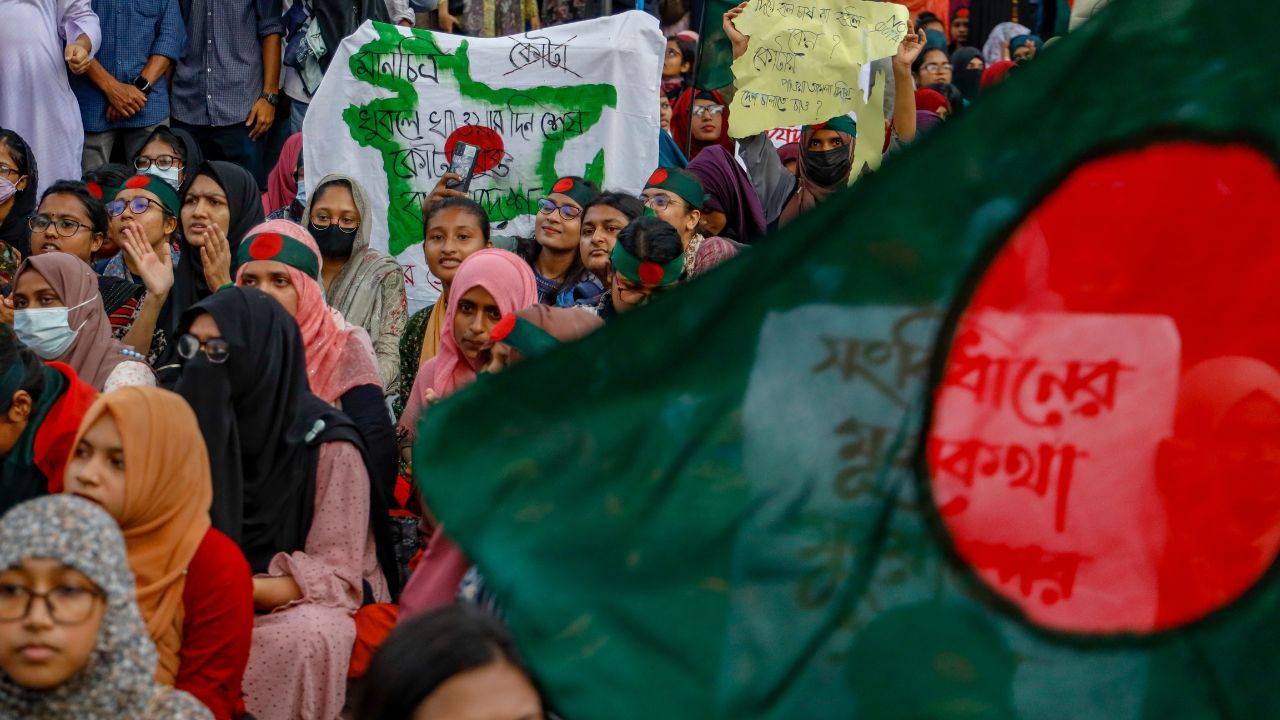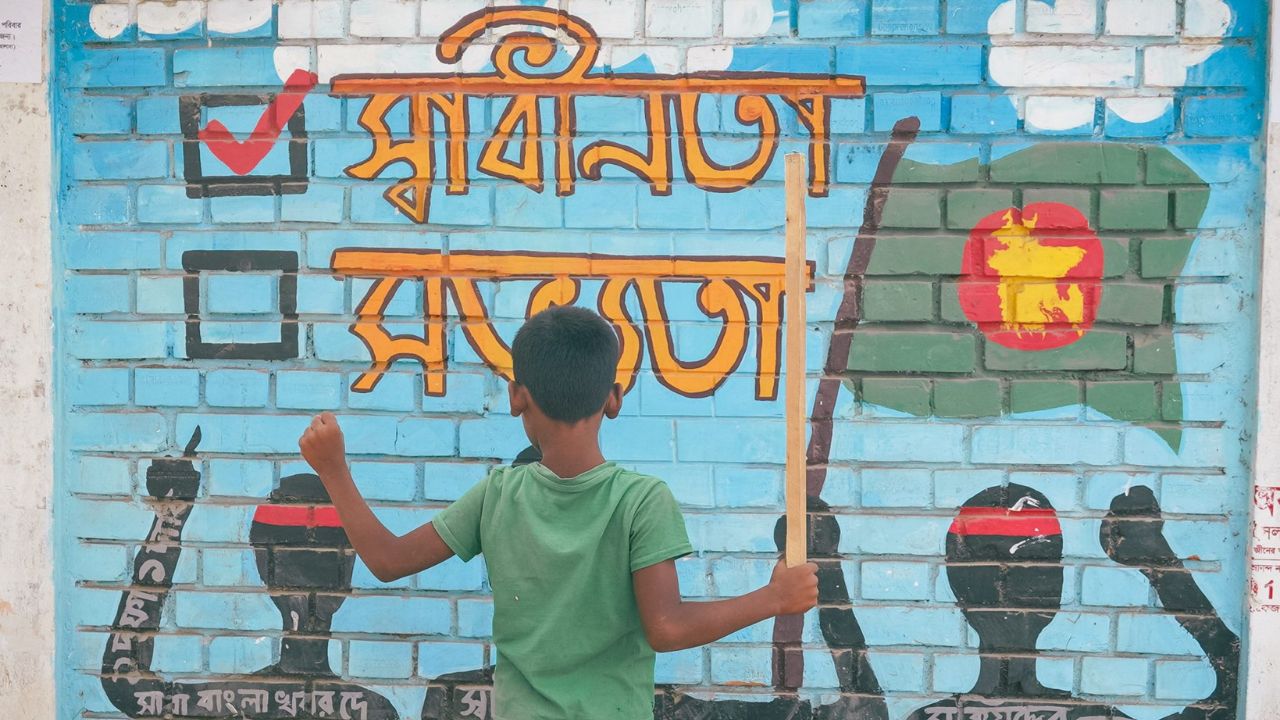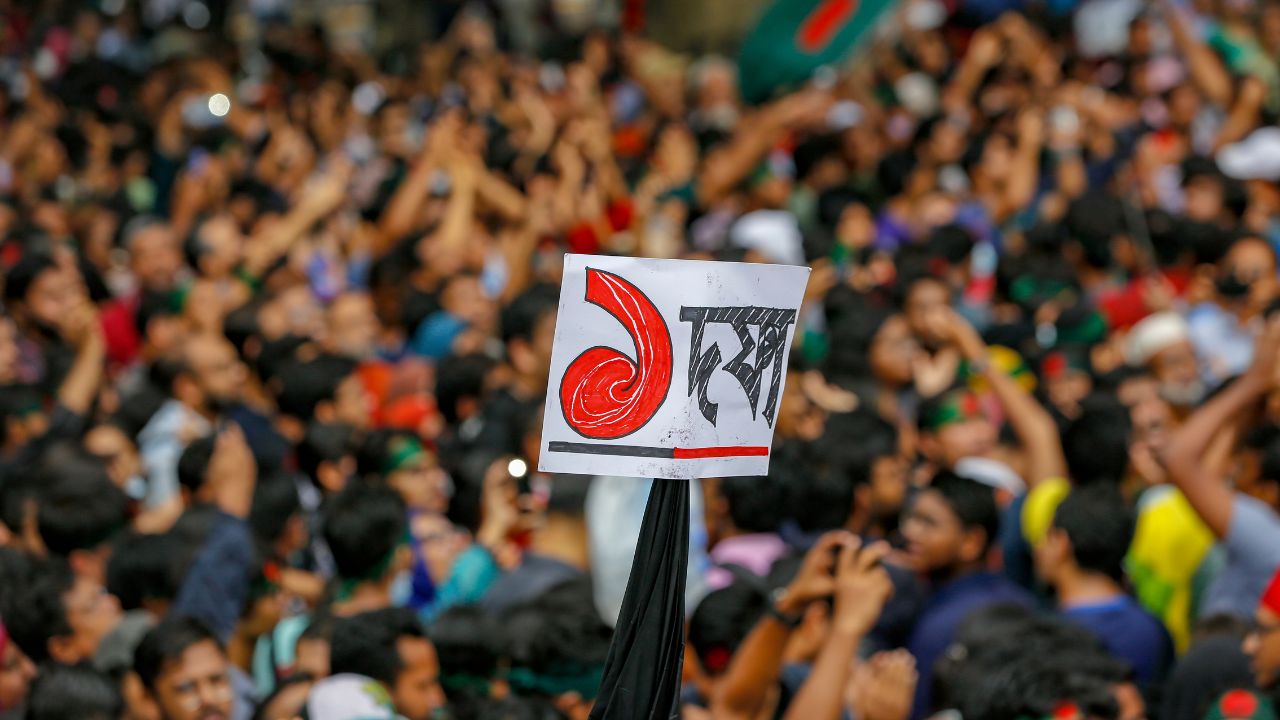

The Anti-Discrimination Student Movement, which spearheaded the July 2024 quota reform protests and later played a key role in the mass uprising that toppled the Awami League government, has effectively become inactive within two years.
During this period, several of its leaders moved into state positions, some joined a new political party, while others stepped away from the platform.
Former leaders said disagreements over the movement’s future direction emerged soon after the government’s fall. The subsequent entry of two coordinators, Nahid Islam and Asif Mahmud Shojib Bhuiyan, into the interim government’s advisory council led to initiatives to form the National Citizens Committee, followed by a political party and a student organisation.
They said these developments weakened the platform’s role as a street-based movement. At the same time, controversy grew over the formation and activities of coordinator committees at universities, districts and upazilas.
Former coordinators alleged that the platform had moved away from the “spirit of July” and become a vehicle for pursuing the interests of certain individuals and groups.

They also accused the central leadership of imposing decisions without wider consultation. Coordinators and joint coordinators at several public universities, including Chattogram University and Jahangirnagar University, later resigned.
Professor Sabbir Ahmed of Dhaka University’s Department of Political Science told TIMES of Bangladesh, “After July, the leadership of the Anti-Discrimination Student Movement became attracted to power. After placing Muhammad Yunus in power, a section of students also became part of that power structure.”
He said the leaders could have continued as a social movement platform and used public pressure to push political parties to meet their demands, but lost that opportunity after becoming part of the power structure.


Area committees suspended
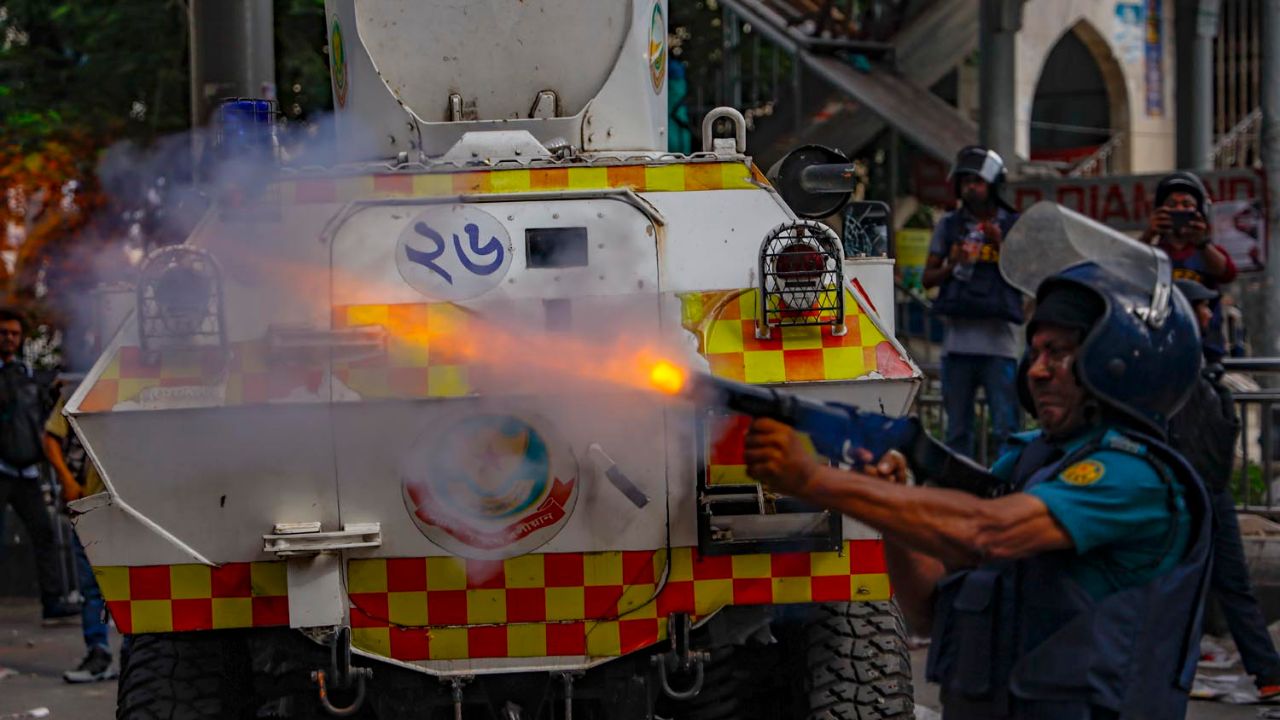
After the July movement, a section of the platform initiated the formation of area-based committees. Several executive council members opposed the move, alleging that it was linked to preparations for future political organisations.
On 26 July 2025, after several leaders and activists were arrested over allegations of extortion, the organisation suspended the activities of all committees except the central committee.
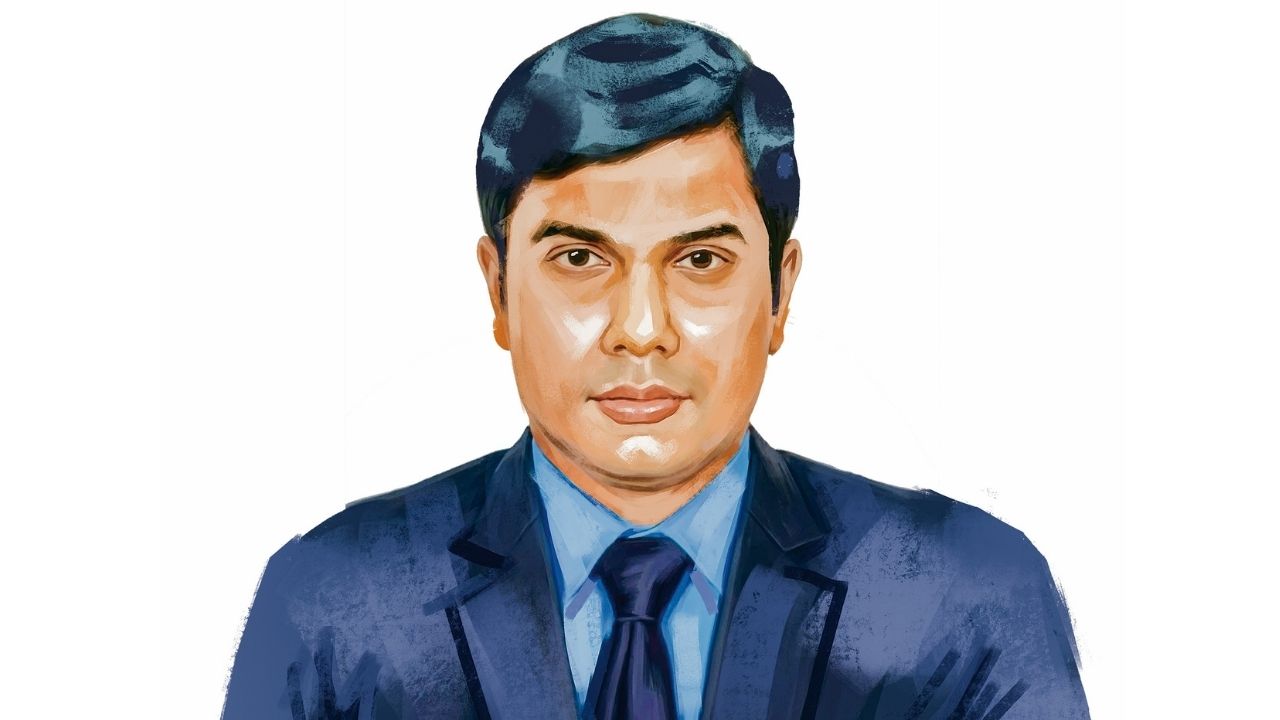
President Rifat Rashid told TIMES, “Some individuals attempted to engage in unethical activities using the banner of the Anti-Discrimination Student Movement. Unfortunately, due to the influence of political parties, some members became involved in corrupt activities, which are now beyond our control.”
Why did Umama resign?
On 28 June, spokesperson Umama Fatema announced her resignation, alleging that many people arrested or accused of irregularities had been close to the central leadership.
Former executive committee members said dissatisfaction grew as individuals close to the leadership were given responsibilities and opportunities.
Rifat Hasan alleged that disputes over coordinator positions and attempts to establish influence damaged public trust in the platform.
‘The organisation should have been dissolved’
Musaddiq Ali Ibn Mohammad, literary and cultural affairs secretary of Dhaka University Central Students Union and a former assistant secretary of the movement, said the organisation should have been dissolved after the July movement.
“Activities of the leaders and activists forced students to face many questions. Allegations of extortion and corruption created embarrassment,” he told TIMES.
The organisation initially received widespread praise for its relief collection drive during floods in eastern Bangladesh in August 2024. However, it later faced criticism over the management and distribution of relief funds.
Former executive council member Lutfor Rahman said the platform brought together people from different political backgrounds, which created internal differences.
“During the July movement and afterwards, many people from different political views and backgrounds were associated with this platform. That is why one section joined NCP and another joined Chhatra Shakti,” he said, adding that the platform would continue as a “social and cultural platform”.