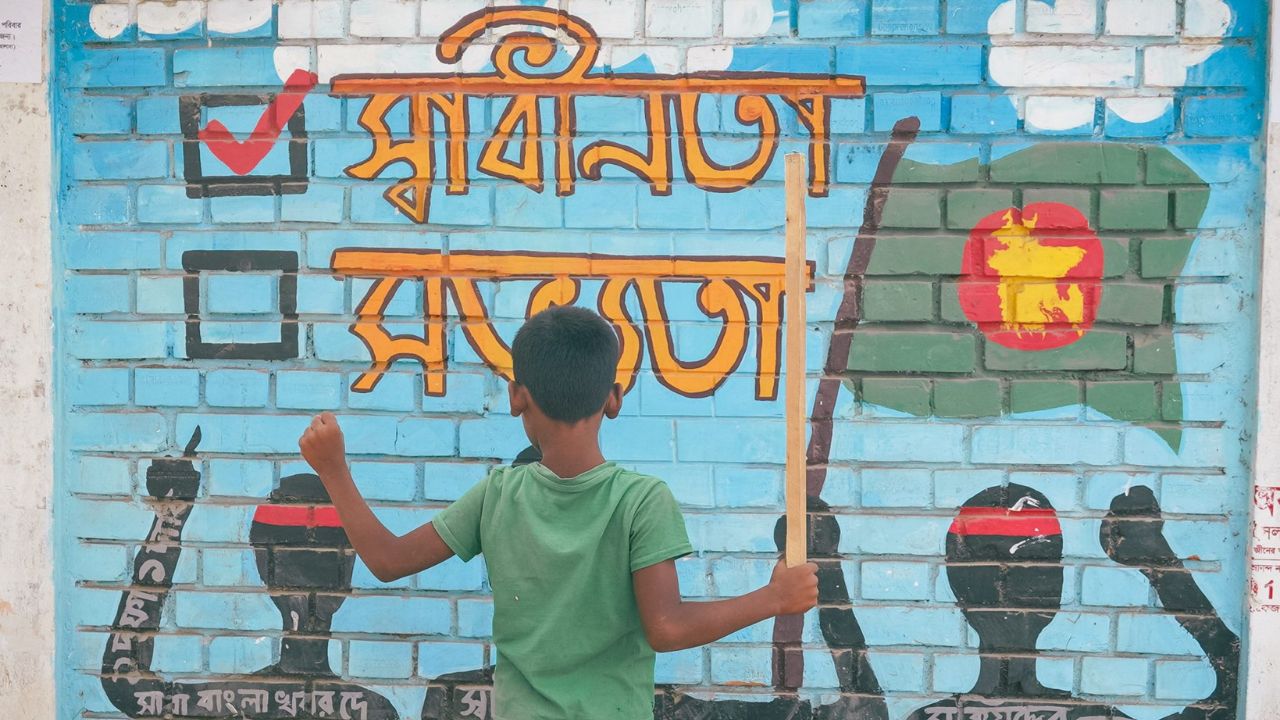




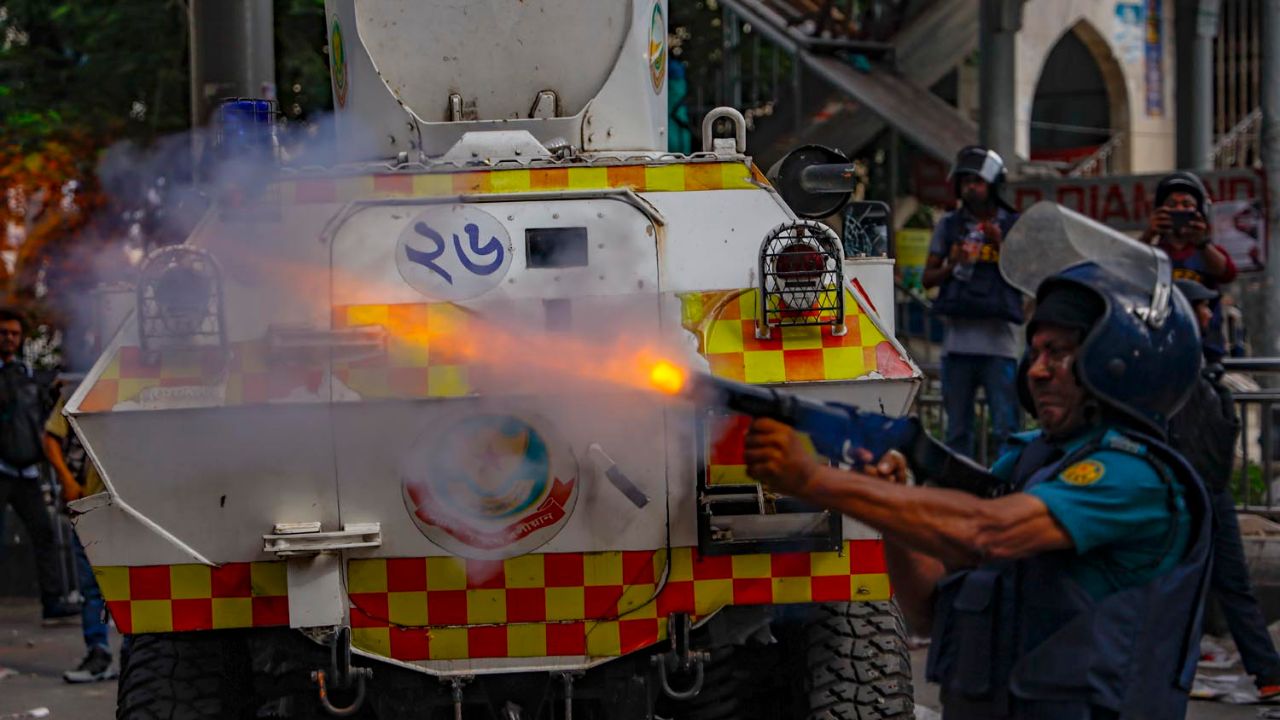
16 July 2024. Abu Sayeed, a student of Begum Rokeya University, stood with both arms outstretched and embraced the bullets fired by the police, becoming a martyr.
The image of him collapsing to the ground spread across the country within moments. Abu Sayeed was no longer merely a student; he became a symbol of an entire generation’s anger, protest and yearning for change.
One after another, thousands of lives were subsequently lost on the streets. Yet, how far have we actually progressed towards the new political settlement, an inequality-free state and the reforms that Abu Sayeed and thousands of others sacrificed their lives to achieve?
The question is no longer confined to political party meetings or parliamentary debates. From the capital to the countryside, from tea stalls and political gatherings to public and private offices and social media, the same question keeps resurfacing.
Has the change for which people took to the streets genuinely begun to transform the character of the state, or has it merely replaced the occupants of the seats of power? Like many others, I now find myself asking this question.
On the evening of 7 August, I was sitting in a discussion at a tea stall in Dhaka’s Eskaton area. Two teachers from Bangladesh Medical University, a police officer and several journalists were among those present. At one point, while we were discussing various issues concerning the country, a rickshaw puller came and sat beside us.
After listening for a while, he said, “Sir, what is the point of discussing all this? I sometimes feel that this country will never become better. Just a few days ago, so many people gave their lives, but what reforms have actually taken place?”
His observation may sound simple. Yet his question encapsulates the most important reckoning of the mass uprising of 2024. Those who gave their lives on the streets did not sacrifice themselves for a particular constitutional clause to be amended, for a particular institution to be renamed, or for political parties to advance one argument or another. They wanted a state founded on justice, equality and accountability.
For nearly 17 years before 2024, discontent and resentment had been accumulating among the people over the activities of the Sheikh Hasina government.
The principal sources of this dissatisfaction included partisan influence over state institutions, suppression of opposition parties, the erosion of the electoral system, the growing importance of political affiliation within the administration, and the dominance of the Bangladesh Chhatra League in educational institutions.

A section of Awami League activists, including long-serving members of the party, were also reportedly dissatisfied with what they regarded as their marginalisation in party decision-making and electoral politics. A perception had taken hold among the public that the state no longer belonged to everyone, but rather to those in power.
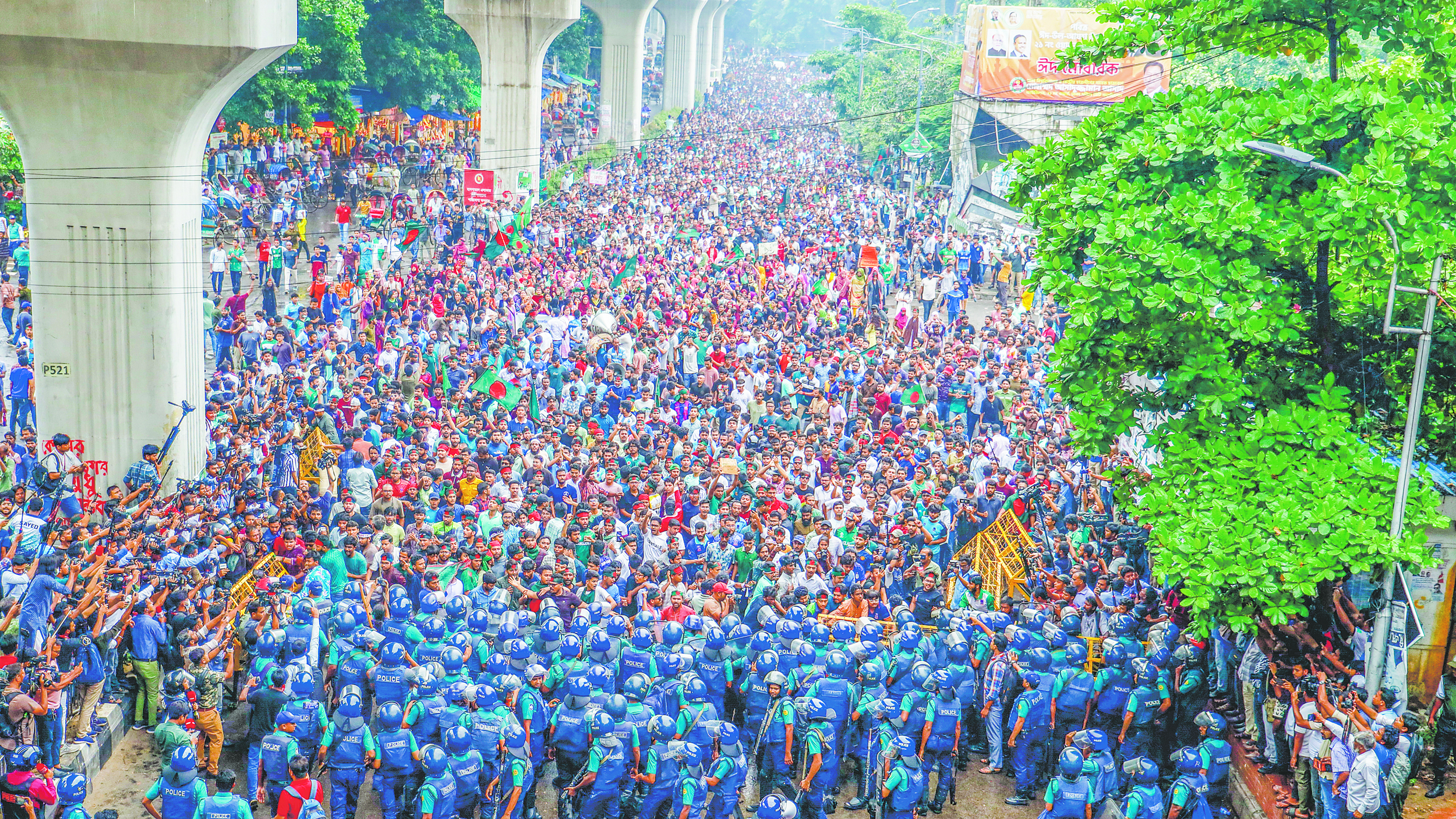
Against this backdrop, on 5 June 2024, the High Court delivered a judgment overturning the government’s 2018 decision concerning quotas for the descendants of freedom fighters in public-sector employment.
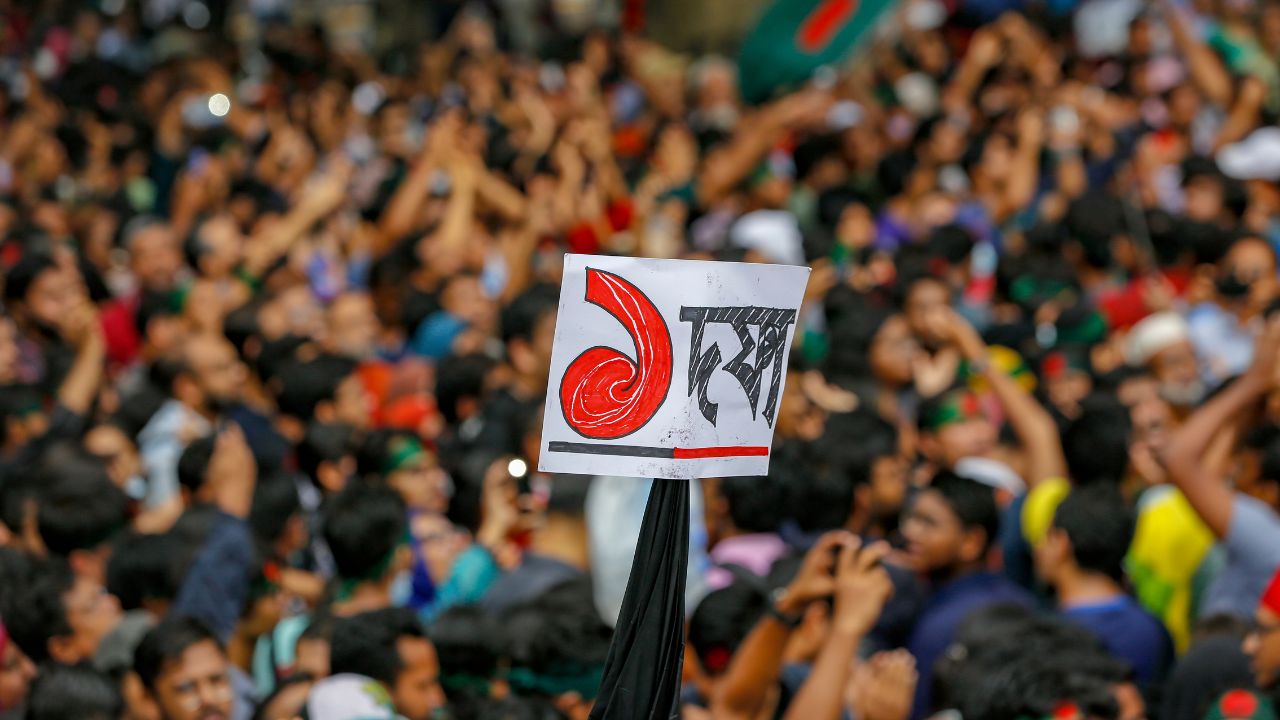
In response, university students, initially at Dhaka University and subsequently at other institutions across the country, took to the streets demanding reform of the quota system. The movement gradually spread nationwide. A remark made by then Prime Minister Sheikh Hasina on 14 July further intensified the agitation.
Eventually, on 5 August, Sheikh Hasina resigned as Prime Minister and left the country in the face of the mass movement. The Awami League government fell. On 8 August, an interim government led by Professor Muhammad Yunus assumed office, ushering in a new chapter in the effort to reform the state and build a new Bangladesh.
A series of reform commissions were subsequently established to examine key state institutions and systems, including the existing electoral system, the Constitution, the judiciary, the civil administration, anti-corruption mechanisms and the police.
Their recommendations were discussed extensively among political parties through the National Consensus Commission. The discussions involved disagreements among the BNP, now the ruling party, the Jamaat-e-Islami, the National Citizens Party (NCP) and others. Ultimately, the parties that had supported the mass uprising reached agreement on the July National Charter.
The Charter contains a range of proposals, including establishing a balance of power within the state, limiting the tenure of the Prime Minister, introducing a bicameral parliament, ensuring judicial independence, strengthening the independence of the Election Commission, and reinforcing fundamental rights.


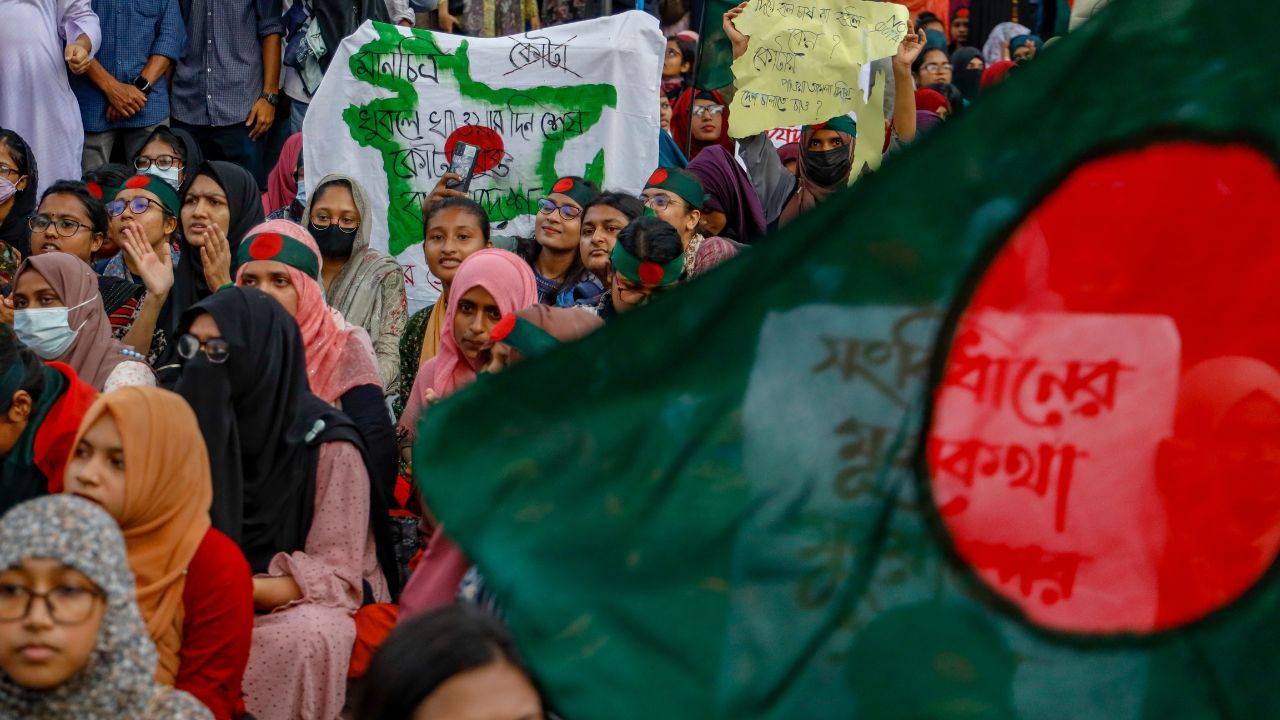
The next major milestone was the parliamentary election and referendum. In the election held on 12 February 2026, the BNP secured an outright majority. At the same time, approximately 68 percent of voters cast a ‘Yes’ vote in the referendum on the constitutional reform proposals contained in the July National Charter.
Through that referendum, the people did more than simply elect a political party to government; they also voted in favour of reform, thereby placing a clear political expectation upon the new administration.
A new government was subsequently formed under the leadership of the BNP, with Tarique Rahman taking the oath as Prime Minister. With a two-thirds majority in Parliament, the BNP is now governing the country. Jamaat-e-Islami and the National Citizens Party (NCP), formed under the leadership of students who participated in the mass uprising, are in opposition.
The fundamental question now is: who bears responsibility for implementing the new political settlement?
Although BNP lawmakers took their oaths as Members of Parliament, they did not take an oath as members of a Constitutional Reform Council. The party’s argument is that the existing Constitution contains no provision for such a council.
Accordingly, the BNP maintains that the Charter should be implemented after a constitutional basis for doing so has been established. This has led to questions in Parliament and elsewhere: if the implementation of the referendum results is to become entangled in lengthy legal and political complications, then what, ultimately, was the purpose of holding the referendum?
Fresh concerns about the reform agenda emerged when the BNP passed the Supreme Court Secretariat (Repeal) Bill in Parliament on 9 April.
By passing the legislation, the government effectively rejected the initiative undertaken during the interim administration to establish a separate secretariat for the Supreme Court. Yet one of the principal aspirations of the July uprising was to establish an independent judiciary.
At the same time, the BNP took a position in favour of repealing the ordinance concerning the prevention and redress of enforced disappearances. This too has been a matter of serious concern.
Perhaps the most difficult aspect of state reform is ending the culture of political partisanship within state institutions. Partisanisation under the Awami League government had become particularly pronounced. One of the major aspirations of the July movement was to bring an end to this culture. Yet, following the formation of the BNP government, similar allegations have begun to emerge.
Since assuming office, the BNP government has already appointed individuals identified with the party to various positions in the Election Commission, the administration, government institutions and local government bodies. If political affiliation continues to take precedence over merit, then only the name of the ruling party will change; the character of the state will remain fundamentally the same.
The opposition Jamaat-e-Islami also faces a major test. The party has spoken of a corruption-free state, justice and ethical politics. Public expectations of the party are therefore correspondingly high. The question, however, is how effectively it will translate these commitments into practice.
Allegations of irregularities or corruption against some of its leaders and activists cannot simply be dismissed as political conspiracies. Rather, transparent investigations are necessary to establish the truth. In addition, many of the party’s Members of Parliament have already demonstrated a lack of political experience.
The NCP had a different kind of opportunity before it. A substantial portion of the new party’s leadership consists of students who played a leading role in the July movement. People expected them to offer an alternative to the politics of the past. Yet questions have arisen as to whether the party has, to a significant extent, failed to fulfil that expectation.
These questions have emerged because, following the fall of the Hasina government, allegations were levelled against some NCP activists and leaders over extortion, the promotion of mob culture and various other controversial activities.
Following the Second World War, the new German state was able to establish a special place in the public consciousness by making the documentary evidence of the Nazi regime’s crimes against its opponents available to the nation.
In Bangladesh, however, those who participated in the 2024 mass uprising have not succeeded to the same extent in documenting and publicly presenting evidence of the abuses and crimes of the previous regime. Consequently, a question remains: can the politics of the new generation genuinely introduce a new political culture?
In reality, the success of the new political settlement will depend on transforming the character of every institution of the state. Is the Election Commission genuinely independent? Is the judiciary free from political influence? Are merit and competence, rather than political affiliation, being valued in the administration? Is Parliament functioning effectively?
Can the opposition speak freely and independently? The answers to these questions will provide the clearest picture of the reality of reform.
The true test of the new Bangladesh will also lie in whether the media can freely criticise the government; whether law-enforcement agencies can operate independently of political instructions; and whether allegations of corruption will be investigated and acted upon equally when they involve members of the ruling party and the opposition alike.
Certainly, decades of political culture cannot be transformed within a few months. But there is also a limit to the public’s patience. People do not want endless discussions; they want to see tangible change.
The ultimate success will come only when an ordinary citizen can enter a police station and receive justice without having to invoke a political identity; when a meritorious young person can obtain a job without political affiliation; when ordinary citizens can criticise those in power without fear for their safety; when an opposition activist can engage in politics without fear of state harassment; when a judge can deliver a verdict free from political pressure; and when a public official does not have to bow to political affiliation in order to secure a transfer or promotion.
The question, therefore, is addressed not to any particular political party, but to the state as a whole: how will we honour the value of their blood? Not merely by erecting monuments. Not merely by observing commemorative days or delivering speeches. If we are truly to honour their sacrifice, the state itself must change.
Otherwise, history will one day pose a profoundly difficult question: did the mass uprising, born of the blood of thousands of young people, truly give birth to a new Bangladesh, or did it merely place new people in the old seats of power?
For this reason, the BNP government should begin implementing the July Charter from the very next session of Parliament. Prime Minister Tarique Rahman and members of his government have already stated that they will fulfil their commitments under the July Charter ‘to the letter’.
As a citizen who supports reform, I too remain hopeful that the government will honour its commitment. I also hope that the government will reconsider positively those ordinances issued during the interim administration that it has already repealed.
At the same time, the opposition must strengthen its position in demanding the implementation of the reforms. It must, however, ensure that no rash or irresponsible course of action is taken in the name of securing those demands in post-uprising Bangladesh.
The time has therefore come for both the government and the opposition to put an end to the question of how far reforms have progressed in the Bangladesh that emerged from a mass uprising won at the cost of thousands of lives. The true measure of that achievement will not be found in political rhetoric, but in whether the state has genuinely changed.