Two years after the 2024 mass uprising, the investigation into the devastating attack, vandalism, and arson at Sherpur District Jail remains incomplete, with 346 of the 518 escaped prisoners still at large.
Compounding public anxiety, the whereabouts of 1,143 looted bullets remain unknown, raising severe questions over regional security and the rule of law.
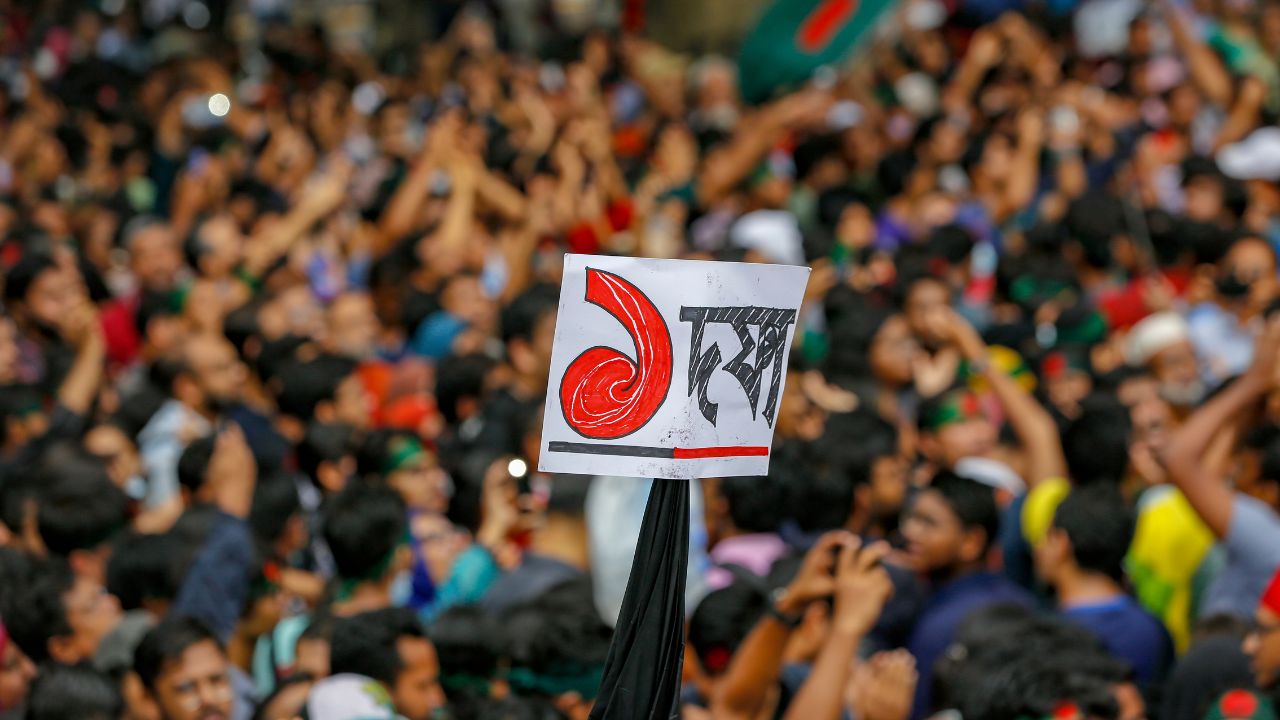
The disaster unfolded on the afternoon of 5 August 2024, when a mob armed with sticks and improvised weapons stormed the main gate of the facility.
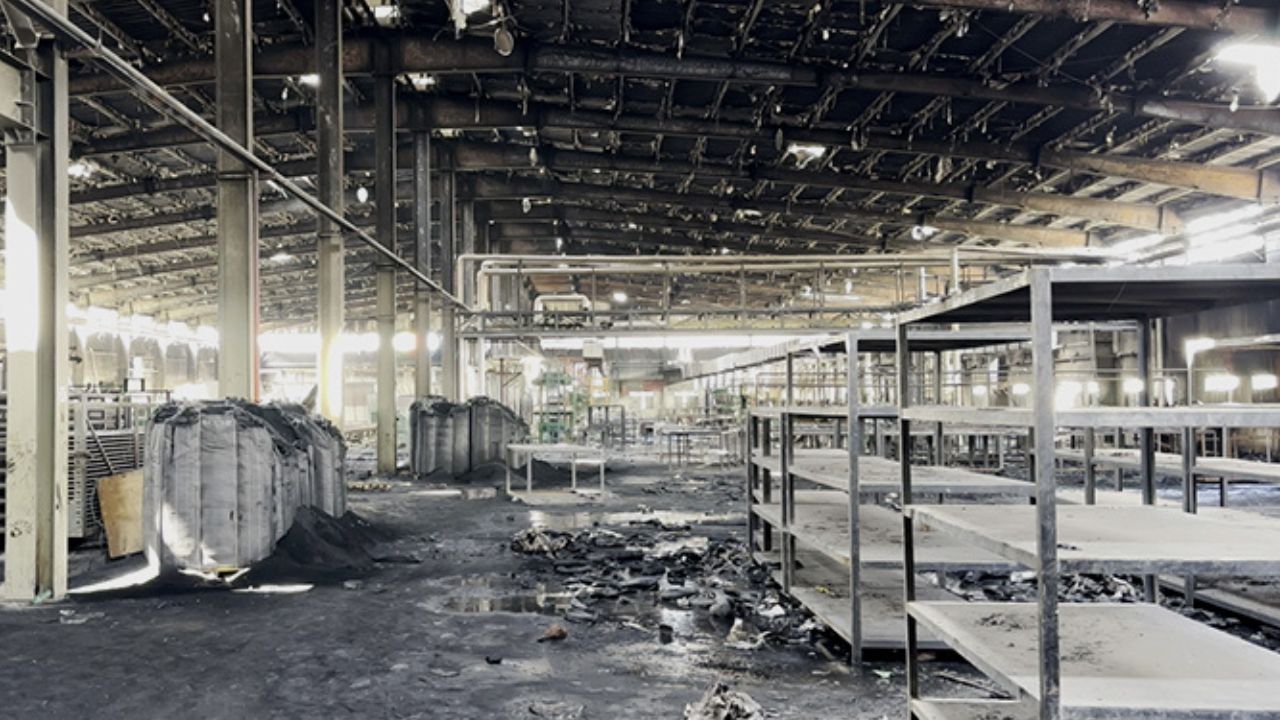
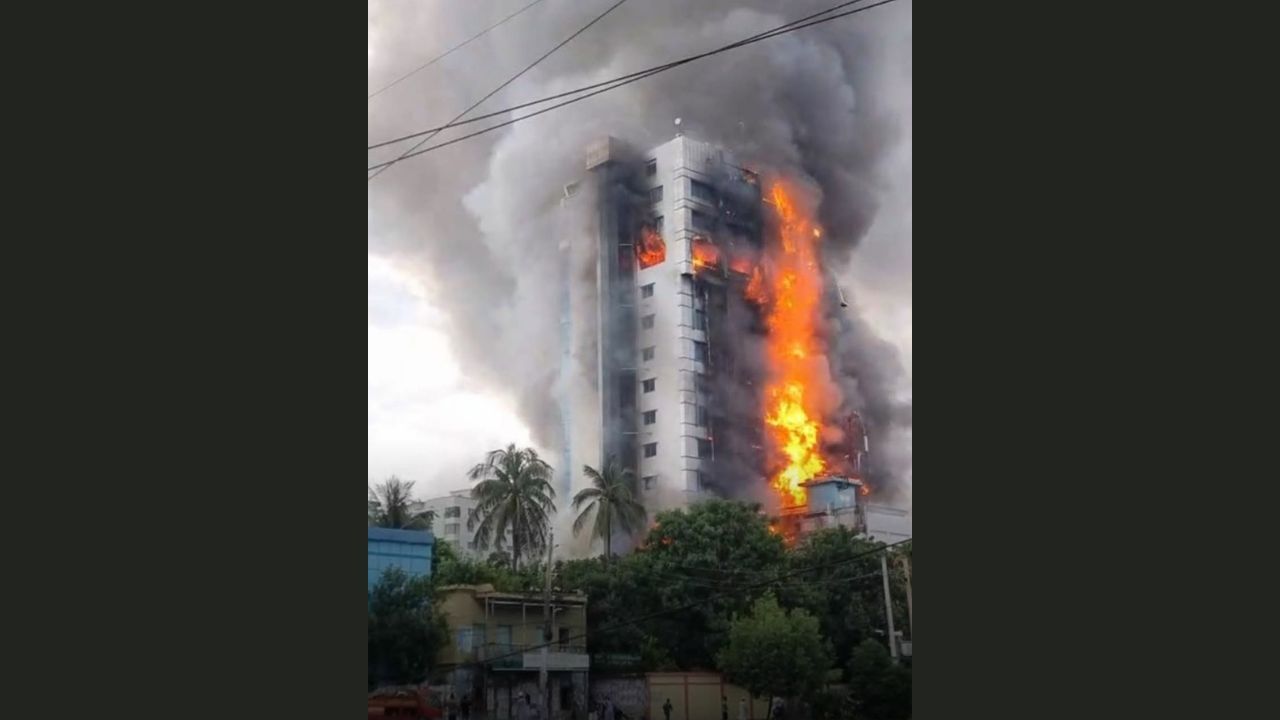
As fires engulfed multiple sections of the compound, prison staff evacuated for their own safety.

Exploiting the collapse of order, attackers looted supplies, ranging from bedding and ceiling fans to CCTV cameras, while over 500 inmates broke free.
According to prison authorities, joint security operations over the past two years have recaptured 172 fugitives.

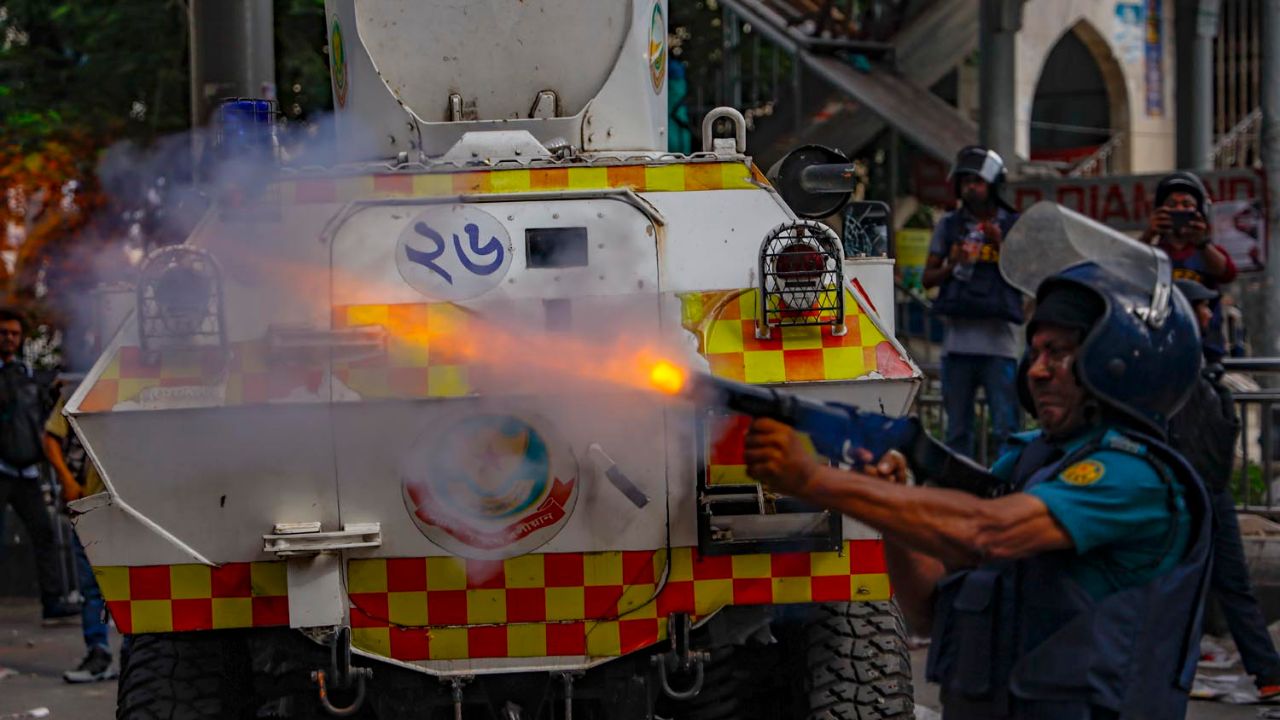

While officers recovered nine rifles and a shotgun stolen during the raid, the vast majority of the missing ammunition remains unaccounted for, specifically 844 rounds of bullets for Chinese rifles and nearly 300 shotgun cartridges.
Jail Superintendent Shah Rafiqul Islam told TIMES of Bangladesh that law enforcement and intelligence agencies are operating jointly to track down the remaining escapees and armaments.
“Progress in apprehending the fugitives and recovering the ammunition is expected gradually,” Islam said, adding that while physical records burned, an intact digital intelligence database saved on a laptop is proving vital to the inquiry.
Sherpur Additional Superintendent of Police Md Mizanur Rahman Bhuiyan confirmed that surveillance has been intensified, designating the arrests and weapons recovery as top priorities.
However, civic leaders and experts warn that prolonged inaction carries grave societal risks.
Veteran social worker in Sherpur Razia Samad Dahlia noted that the failure to conclude the probe undermines public safety and delays judicial proceedings.
A Sociology teacher at Sherpur Model Girls Degree College Delowara Soheli echoed these concerns, stressing that hundreds of untraced convicts alongside loose ammunition pose a direct threat to civilian security. Meanwhile, lawyer Abu Sadat Mohammad Sayem cautioned that institutional inertia surrounding such critical breach cases risks permanently eroding public confidence in the judicial system.