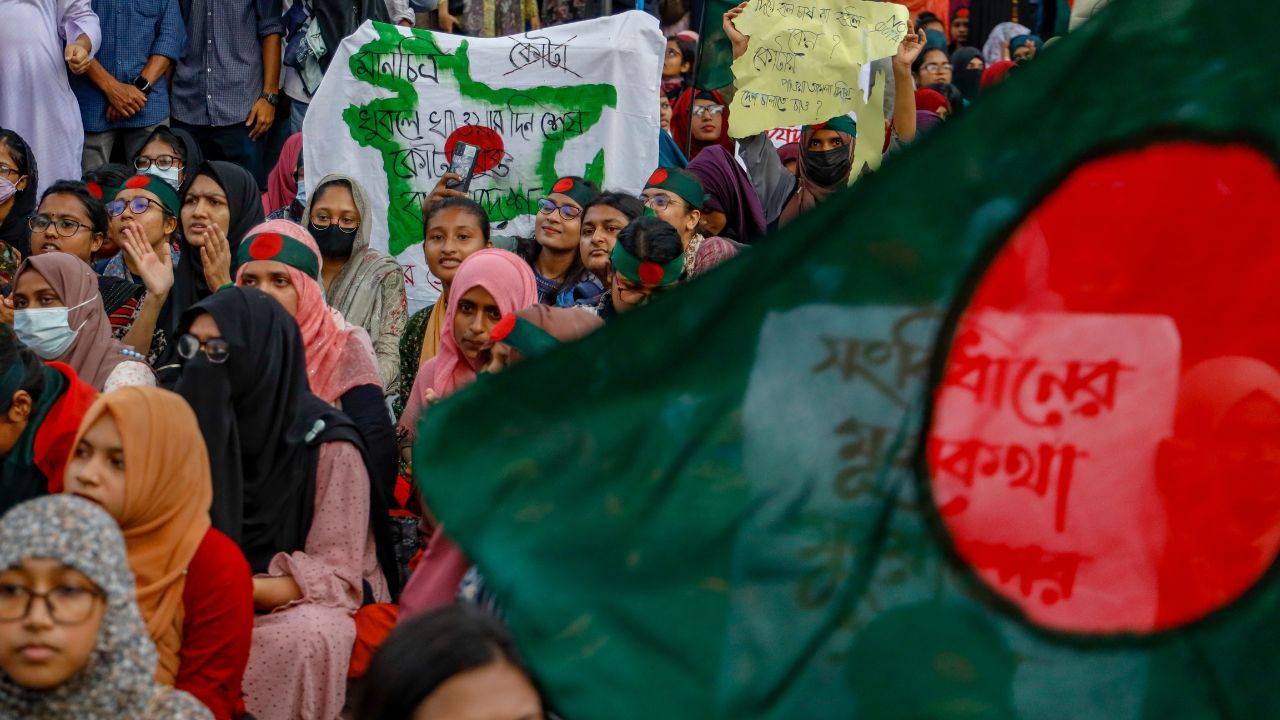



The July mass uprising may have ended authoritarian rule, but it has yet to deliver the inclusive, secular and humane Bangladesh envisioned by many ethnic communities, religious minorities and other marginalised groups who took part in the movement.
They say people of different religions, ethnic identities, social classes and political backgrounds stood together during the uprising, but that unity has not been reflected in the country’s post-uprising political and institutional landscape.
Unfulfilled commitments in the Chittagong Hill Tracts, the political use of student protesters and increasingly power-centred politics have raised questions over whether the movement has drifted from its original aspirations.
Still, they regard the fall of the previous regime and the opening of space for democratic restoration as major achievements. In their assessment, the July uprising was not a complete failure, but the promised “new Bangladesh” has yet to emerge.
Raju Marma, an ethnic activist who took part in the July movement and is now employed, said the uprising had achieved its immediate objective, but the broader dream of building a new Bangladesh remained unfulfilled.
“Everything continues as before; only the name has changed,” he said.

Bobby Biswas, a Dhaka University student, said one of her main expectations from the July uprising was the establishment of equal citizenship and rights based on justice and equality.
During the movement, she saw people from different religions, social classes and professions standing together, inspiring hope for an inclusive state.
However, attacks on places of worship, violence over allegations of religious offences and killings following the uprising shattered those expectations, she said.

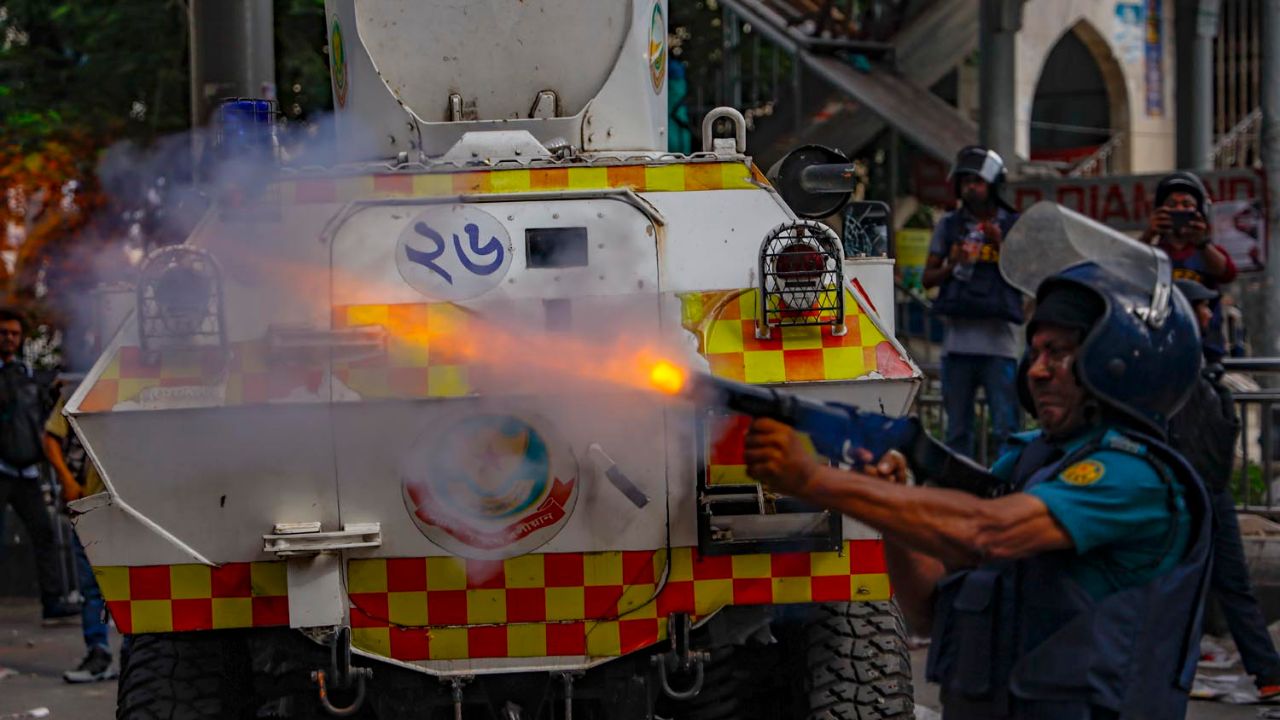

Such incidents reflected the failure of the post-July state structure to protect citizens and uphold equal rights, she added.
Citizens also had a responsibility to act constructively for the country’s progress, she said, adding that violence and destruction had instead continued in different forms.
Gonoforum President Subrata Chowdhury said the July uprising had deviated from its original goals and direction.
The rise of fundamentalist groups, attempts to create communal tension and attacks on democratic and progressive institutions had created confusion and concern among the public, he said.
Attacks on places such as Chhayanaut and Dhanmondi 32 could not be considered part of the uprising’s anti-discrimination and democratic aspirations, he added.
Equal rights and security must be guaranteed for all citizens, regardless of religion, ethnicity or political identity, he said, urging democratic forces to work collectively towards that goal.
Aparna Roy Chowdhury said the uprising had created an opportunity to restore voting rights and a democratic environment, but overcoming decades of political and institutional crisis would require more time.
She said religious minorities, including Hindus, had long faced persecution, discrimination and deprivation of rights.
Although a degree of security had returned, isolated incidents of intimidation and violence continued, she added.
Aparna also expressed concern over sections of the student leadership.
The accounts of marginalised participants reveal a shared frustration: political leadership may have changed, but structures of discrimination, communalism and institutional weakness remain largely intact.
They argue that July’s anti-discrimination promise cannot be fulfilled without ensuring the security, dignity and rights of Indigenous peoples, religious minorities and historically excluded communities.
For them, July remains a story of both achievement and unfinished aspirations.
The fall of authoritarian rule created hope, but turning that hope into reality will require political accountability, stronger institutions and equal rights for citizens in both the hills and the plains.