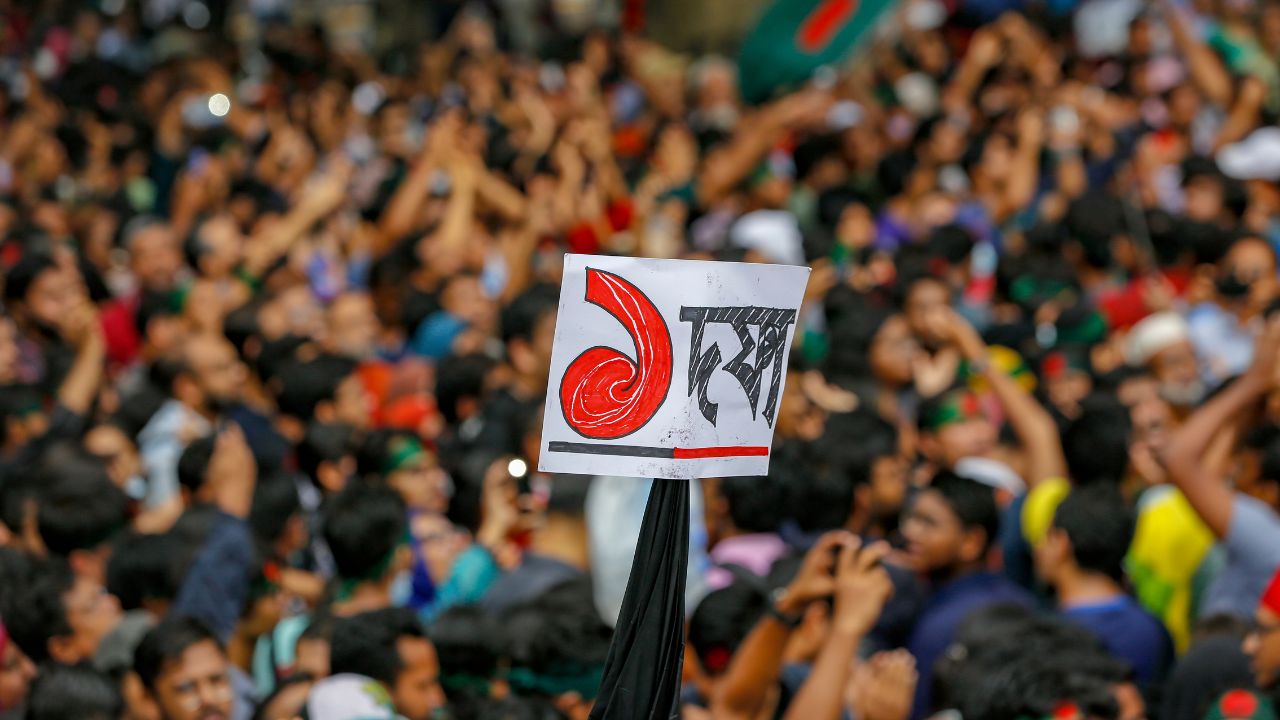

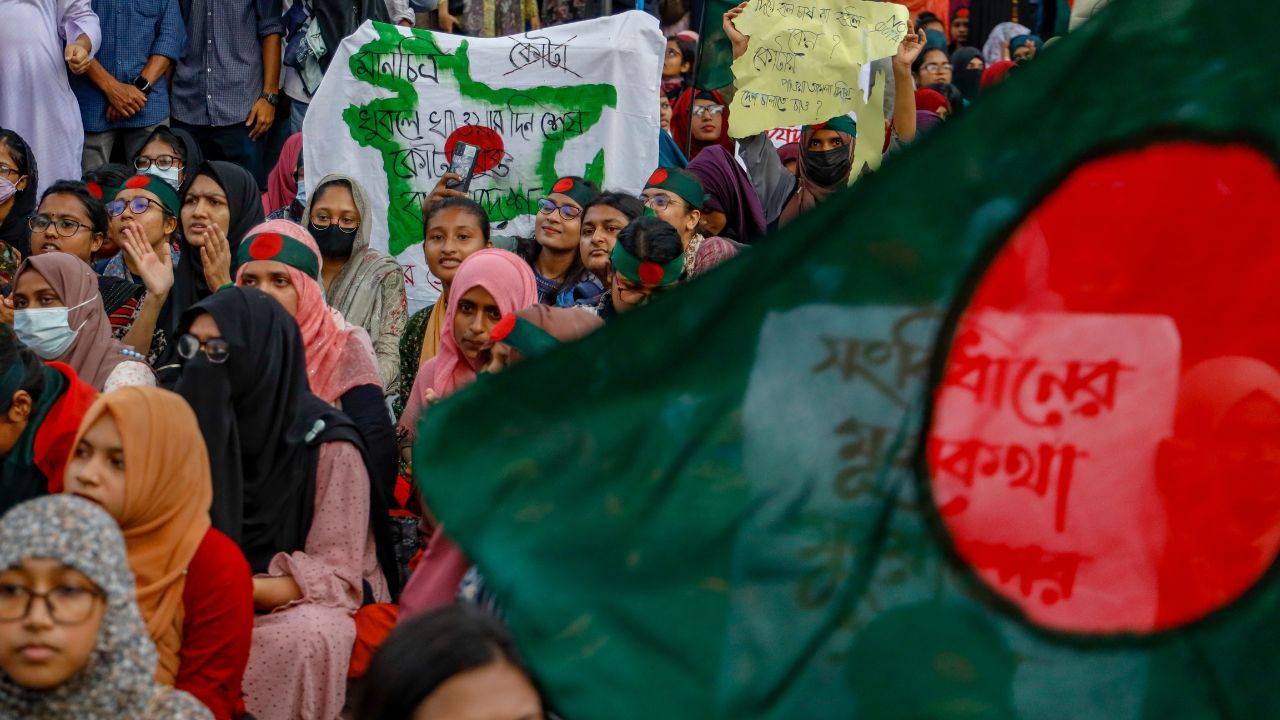
Two years after the mass uprising, questions remain over how far the police have changed and whether reform efforts have delivered meaningful results.
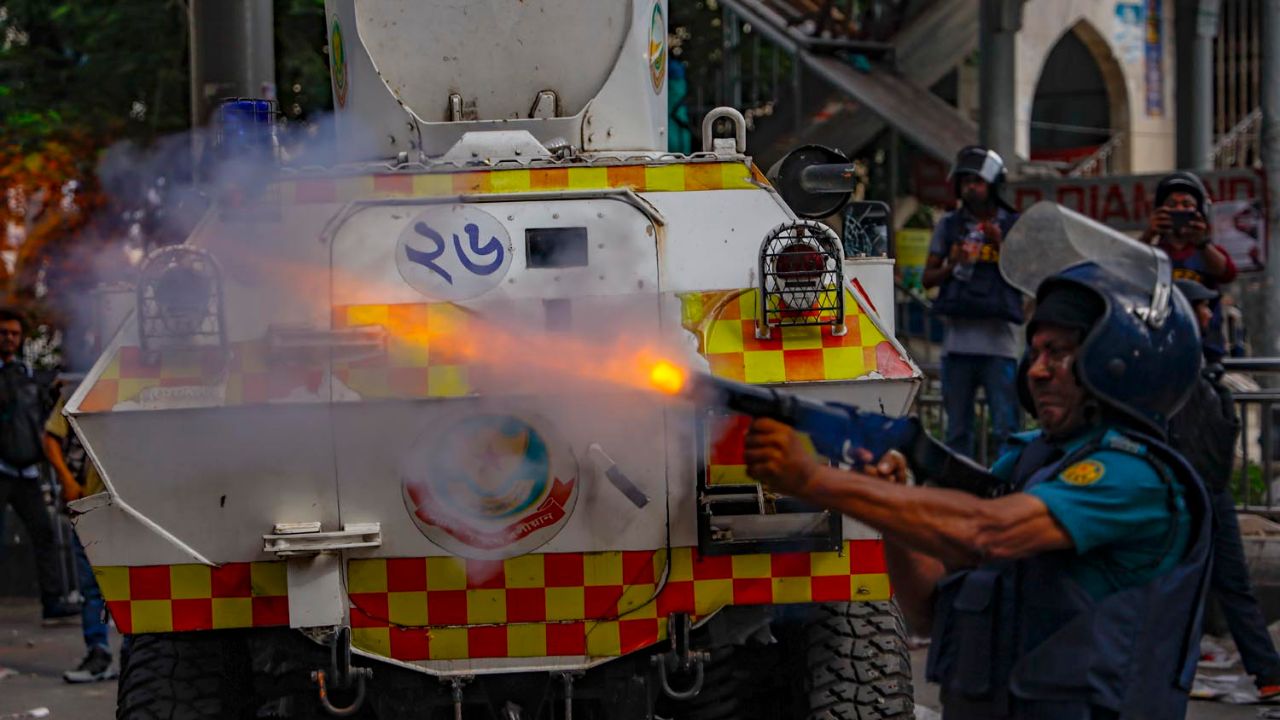
The force faced allegations of excessive use of force during the 2024 movement, while police members were also attacked and killed. Since then, major leadership changes have taken place, with dismissals, cases and departmental proceedings against several officers. Yet weaknesses remain in police operations.
The proposed police reform commission has not become functional. During Police Week, senior officials placed several demands before the government, including the formation of the commission, but received no clear response. Within the force, there is growing discussion that significant reforms have yet to take place.
Professor Mohammad Omar Faruk, chairman of the Department of Criminology and Police Science at Mawlana Bhashani Science and Technology University, told TIMES of Bangladesh, “The police have still not been able to move out of politics. Their reform has not been carried out properly.”
He said many police members are facing cases, while others are absconding. Fear of transfers, dismissal and punishment has affected their mental health, while a lack of proper training has slowed the force’s recovery.
Associate Professor Touhidul Haque of Dhaka University’s Institute of Social Welfare and Research told TIMES, “The police have not been able to gain much public trust through their work. Even after repeatedly being attacked, they are absorbing the pressure. Although leadership changes have taken place, they do not have experience of working in the mainstream.”

He said field-level police had become more cautious after some officers who gave orders later fled. “They do not want to take risks. Due to a lack of unity and trust, policy-level directives from the top are not being implemented on the ground. Criminals are taking advantage of this.”
Two years after the fall of the Awami League government, concerns remain that the police have yet to fully recover.
On 5 August 2024, police stations, outposts and vehicles across the country came under attack. According to government figures, 44 police members were killed and several hundred injured in the uprising.
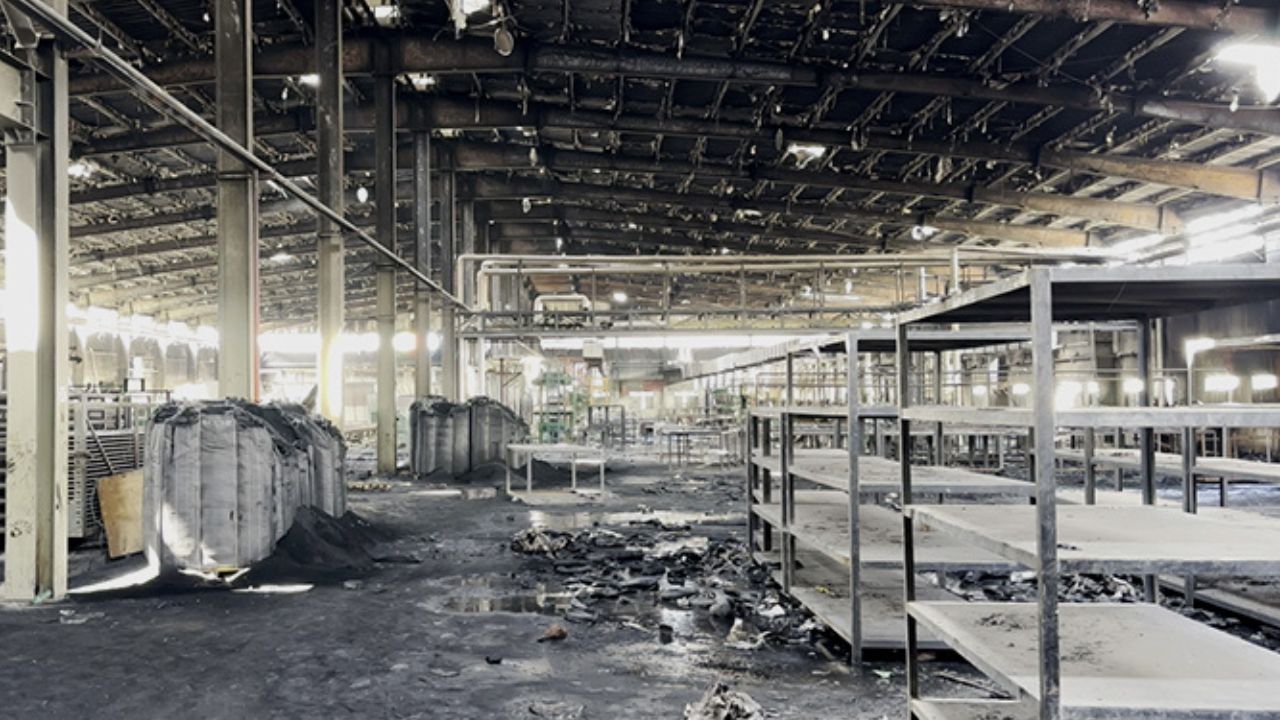
Police Headquarters data show that 460 police establishments were attacked during the unrest. Arson attacks took place at 224 locations, including 58 police stations and 26 police outposts, while 236 locations were vandalised.
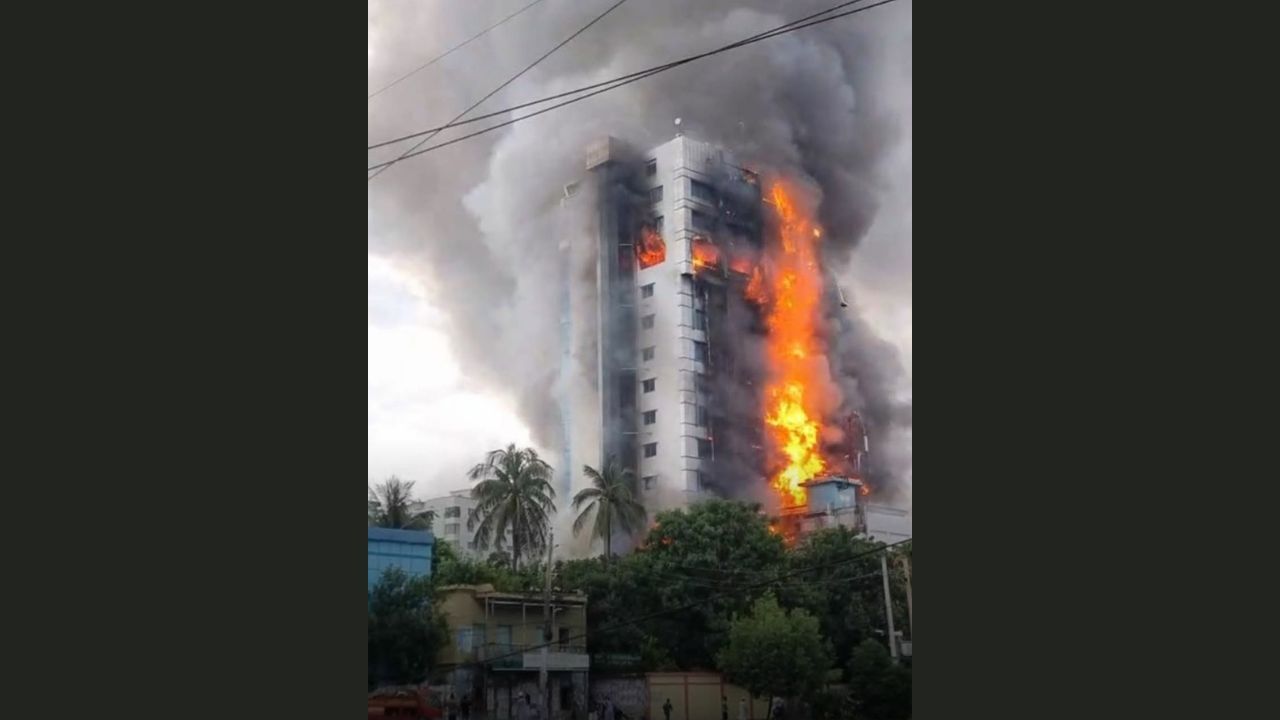

Although damaged stations and outposts have been repaired and operations resumed, vehicle shortages remain. A total of 5,763 firearms and 456,418 bullets were looted, with thousands of firearms still unrecovered.
The interim government took several initiatives to restore police morale, but the force has not fully recovered. Police continue to face attacks during operations, while criminals are exploiting restrictions on the use of force against protesters.
Crime analysts said many notorious criminals have secured bail, while new criminal groups have emerged. Drugs, juvenile gangs, extortion, land grabbing and illegal weapons have become major challenges.
Additional Inspector General of Police (Crime and Operations) Khondker Rafiqul Islam told TIMES that there was hesitation at the policy-making level over the police commission.
“There is no shortage of problems. Among them, the tendency among people to take the law into their own hands has increased. However, the situation has improved significantly. The police have recovered. The government is also making sincere efforts,” he said.
Criminologist Omar Faruk, however, said, “There has been no change in the mindset of the police. They do not want to understand public expectations, and their morale is also weak.”
Dhaka Range DIG Mohammad Iqbal Hossain said, “The morale of the police is somewhat fragile. However, the government is working to increase capacity. The force is also maintaining a firm position on public security. There is no negligence in carrying out duties.”
Police commission remains stalled
Towards the end of the interim government’s tenure, the Police Commission Ordinance was issued on 9 December 2025. However, provisions of the ordinance and the status of an independent police commission sparked debate among civil society groups and political parties. The commission was not made operational.
Former inspector general of police Nurul Huda told TIMES, “The initiative to form an independent police commission was merely for show; nothing meaningful happened.”
He said people expected the police not to commit oppression, injustice or abuse, but local-level pressures prevented them from working independently.
The former IGP said police firing during the uprising had caused deaths and fuelled public anger against the force. Many criminals now believe police, under mental pressure, will hesitate to take action.
Human rights activist Nur Khan Liton said the police needed time to recover after being placed against citizens during the mass movement.
“Law enforcement agencies have still not been able to establish full control over the situation. The tendency to violate the law has also increased among many people,” he said, calling for stronger democratic practices, accountability and ethical standards in political parties.
According to Police Headquarters statistics, murder cases increased by 12.2 per cent in the first six months of this year compared with the same period last year. A total of 1,778 murder cases were filed nationwide, with nearly 44 per cent recorded in Dhaka and Chattogram divisions.
Dhaka reported the highest number of murder cases at 411, followed by Chattogram with 363, Rajshahi with 183 and Khulna with 173. The lowest figures were recorded in Barishal (96), Mymensingh (105), Sylhet (108) and Rangpur (110).