5 August, Monday, 2024. As the red morning sun rose over Dhaka’s hazy sky, few could have imagined that Bangladesh’s history was about to take an unprecedented turn within hours.
The surging tide of people marching towards the capital, tense discussions inside the cantonment, and a mounting crisis behind the walls of Ganabhaban and Bangabhaban brought an end to the Awami League’s one-and-a-half-decade rule.
The dramatic resignation of then prime minister Sheikh Hasina and her escape to India “with only the clothes she was wearing” etched in the public memory like a political drama.
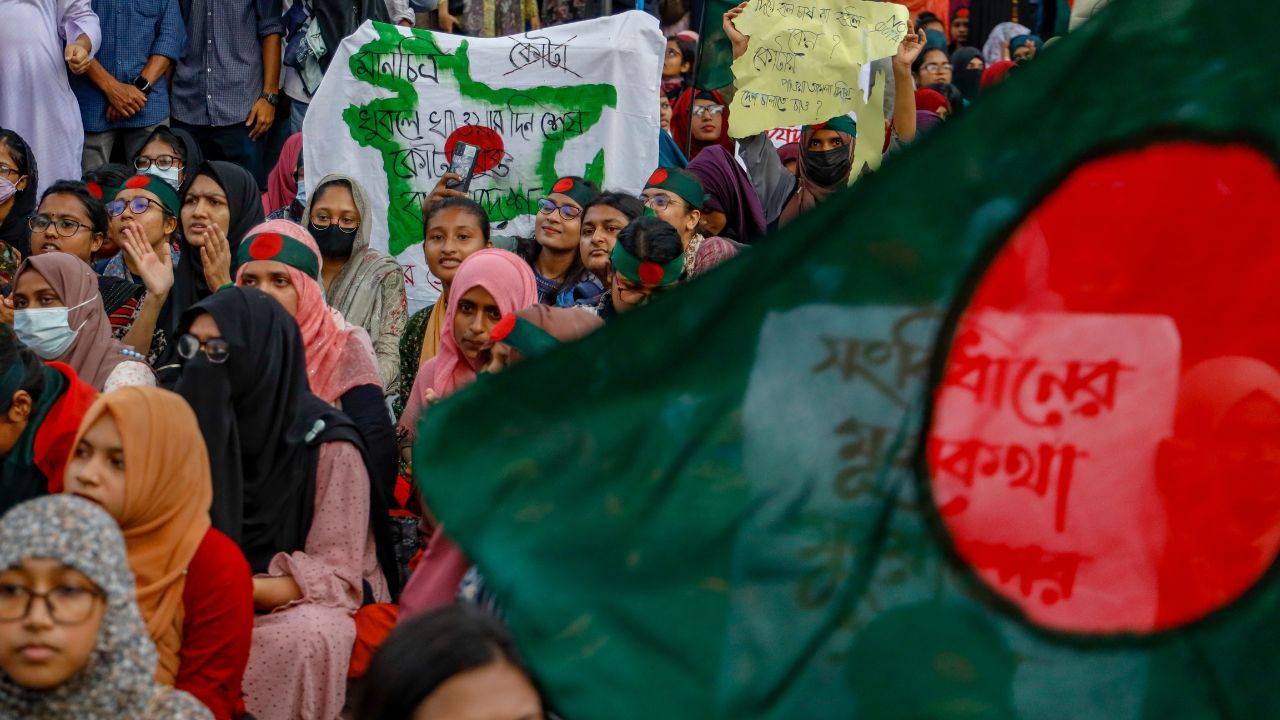
The movement that began in early July over reforms to government job quotas was largely peaceful. But the government’s use of force to suppress the protests transformed the situation. The death of student Abu Sayed in Rangpur became a turning point.
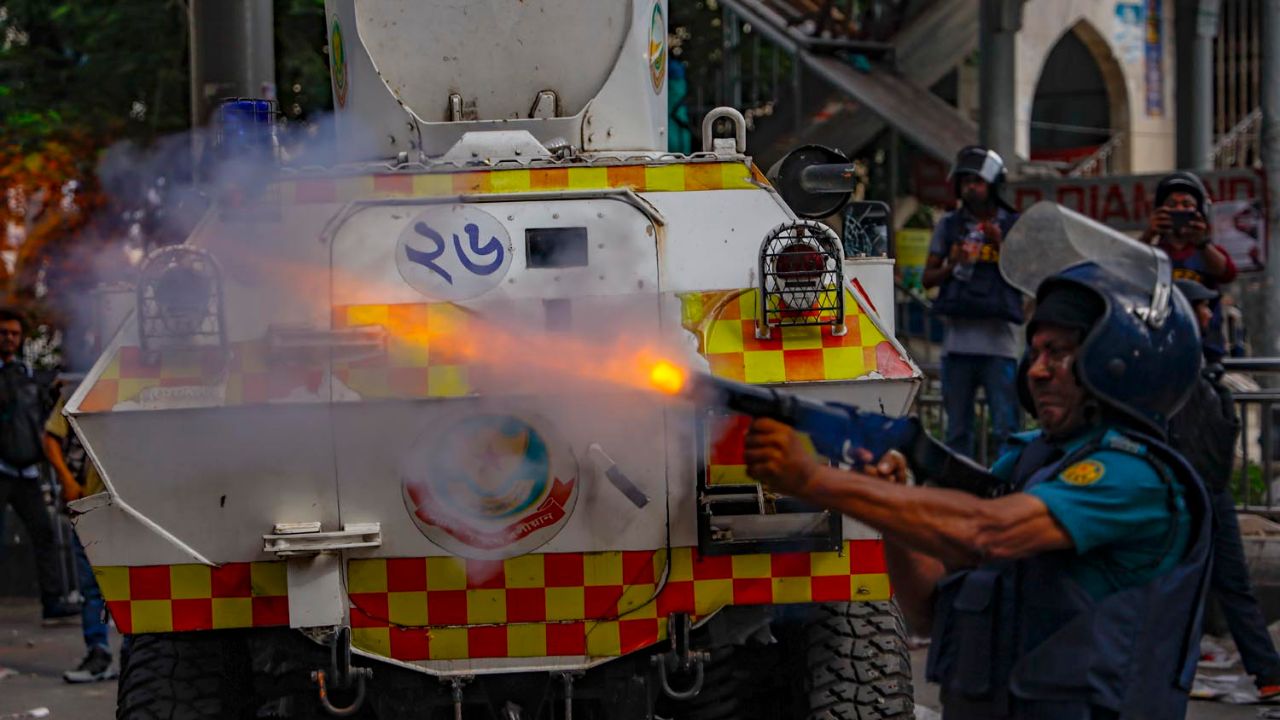
As police opened fire and protesters resorted to vandalism, the quota movement evolved into a one-point demand for the government’s removal. The government deployed the army and imposed curfews, but the student-led mobilisation continued to grow, eventually becoming an unprecedented mass uprising.
In this tense atmosphere, the government’s fate was effectively sealed on 3 August. On that day, officers from different ranks met the army chief at the cantonment, where middle-ranking and junior officers conveyed that they would not fire on students and citizens on the streets. The army’s position indicated that the government could no longer rely on its support.

The movement leaders were aware of the development and announced the “Long March to Dhaka” for 5 August with the one-point demand for the government’s resignation.
To prevent people from entering the capital, the government imposed a nationwide curfew from the previous night and set up barbed-wire barricades and deployed armoured vehicles at major entry points. But as dawn broke on 5 August, the security measures began to collapse.
Defying restrictions and fear, thousands of people from Uttara, Gazipur and Savar in the north, and Jatrabari and Signboard in the south, began moving towards central Dhaka. Crowds gathered at Shahbagh, Uttara’s Jasimuddin area, Rampura and Jatrabari, with a single destination — Ganabhaban, the seat of executive power. As people joined the marches at different points, Dhaka quickly turned into a human sea.
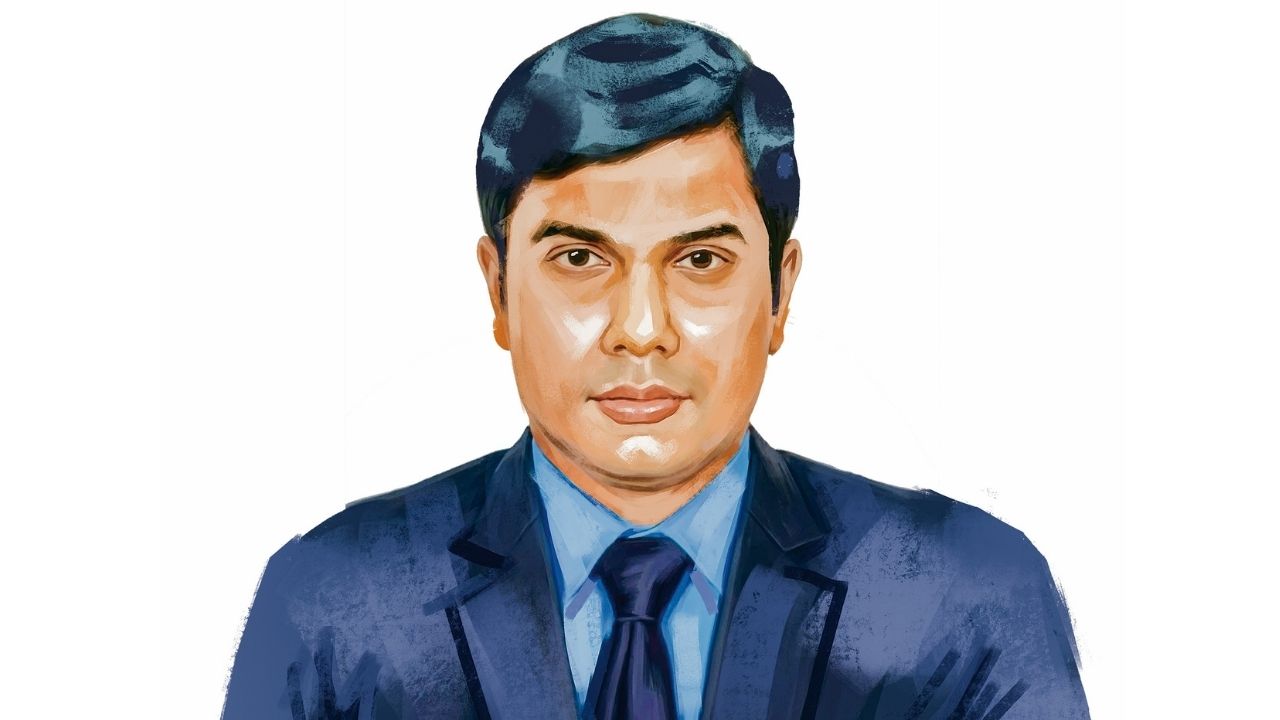

At the height of the crisis, the most decisive developments unfolded behind the scenes, with the army at the centre. That morning, the army chief began communicating with leaders of opposition political parties. Meanwhile, prime minister’s adviser Salman F Rahman and law minister Anisul Huq went to the US embassy in a last attempt to resolve the crisis. They were reportedly told, “It is all over. Your prime minister has resigned.”
However, the crisis did not end immediately, as the resignation had not yet been publicly announced. The protesters remained on the streets, with Ganabhaban as their final destination.
The Special Security Force and military intelligence personnel guarding Ganabhaban realised that the outer security perimeter could collapse at any moment under the pressure of the advancing crowds. Inside Ganabhaban, a tense race against time began.
Shortly before the crowds reached the area, Army Chief General Waker-Uz-Zaman arrived at Ganabhaban and urged Sheikh Hasina to leave immediately. She was informed that arrangements had been made for her to travel abroad.
Hasina, who ruled the country like an iron lady for more than 15 years, already made her mind not to stay in Bangladesh. A 3 August verified audio of her revealed she decided to leave the country.
However, it was later circulated that Hasina was reluctant to leave and her younger sister Sheikh Rehana urged her to go, while her son Sajeeb Wazed Joy also called from abroad. Eventually, after being informed of the severity of the situation, she agreed to leave the country.
With events moving rapidly, Hasina and Rehana were taken out of Ganabhaban in secrecy at around 2:30pm and placed on a military helicopter. They were flown to Kurmitola Bangabandhu Air Force Base, where a Bangladesh Air Force C-130J transport aircraft was ready. Hasina left for India on the aircraft.
Around the same time, the army announced the prime minister’s resignation and said Army Chief General Waker-Uz-Zaman would address the nation shortly. Before the press conference, he held discussions with leaders of various political parties at Bangabhaban in the presence of the president.
As television channels reported Hasina’s departure, thousands of people broke through barriers and entered Ganabhaban and the parliament complex. The gardens, residences and fountains of Ganabhaban were quickly filled with crowds.
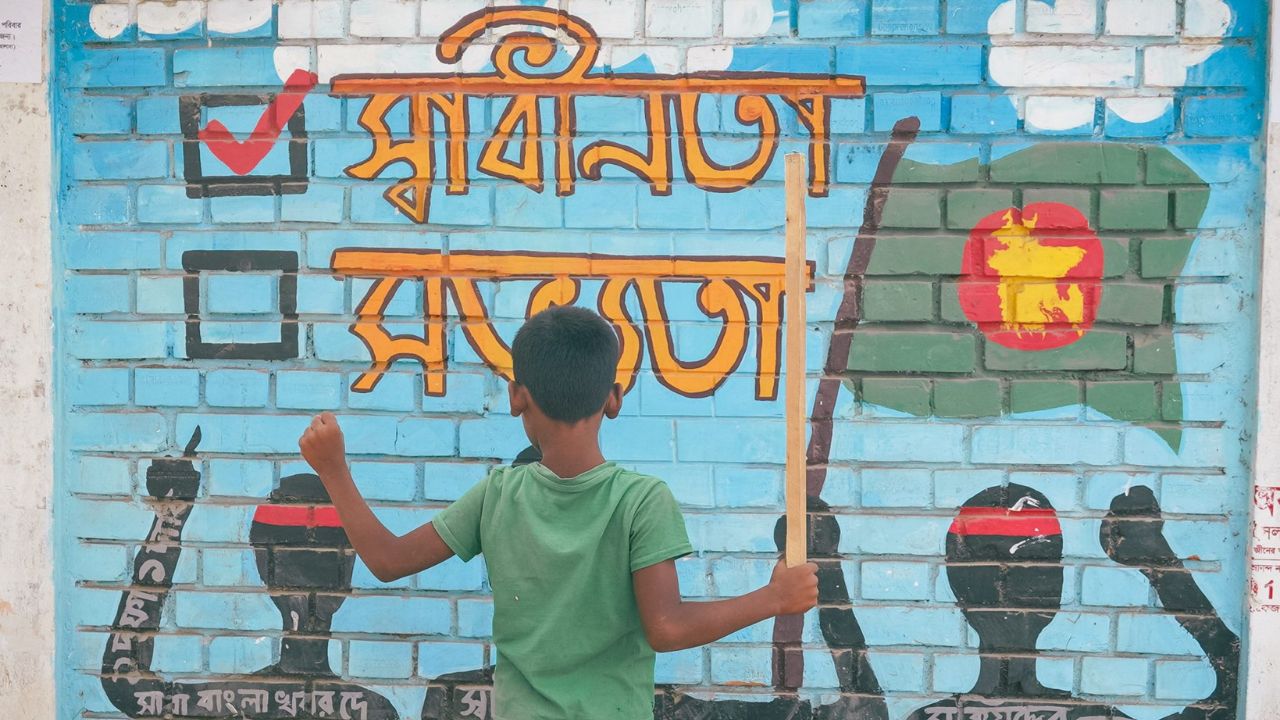
The scenes reflected years of accumulated anger, frustration and emotion. People emerged carrying furniture and memorabilia from Ganabhaban, while Dhaka witnessed an extraordinary outpouring of celebration. Victory slogans echoed across the parliament area, Shahbagh and Shaheed Minar.
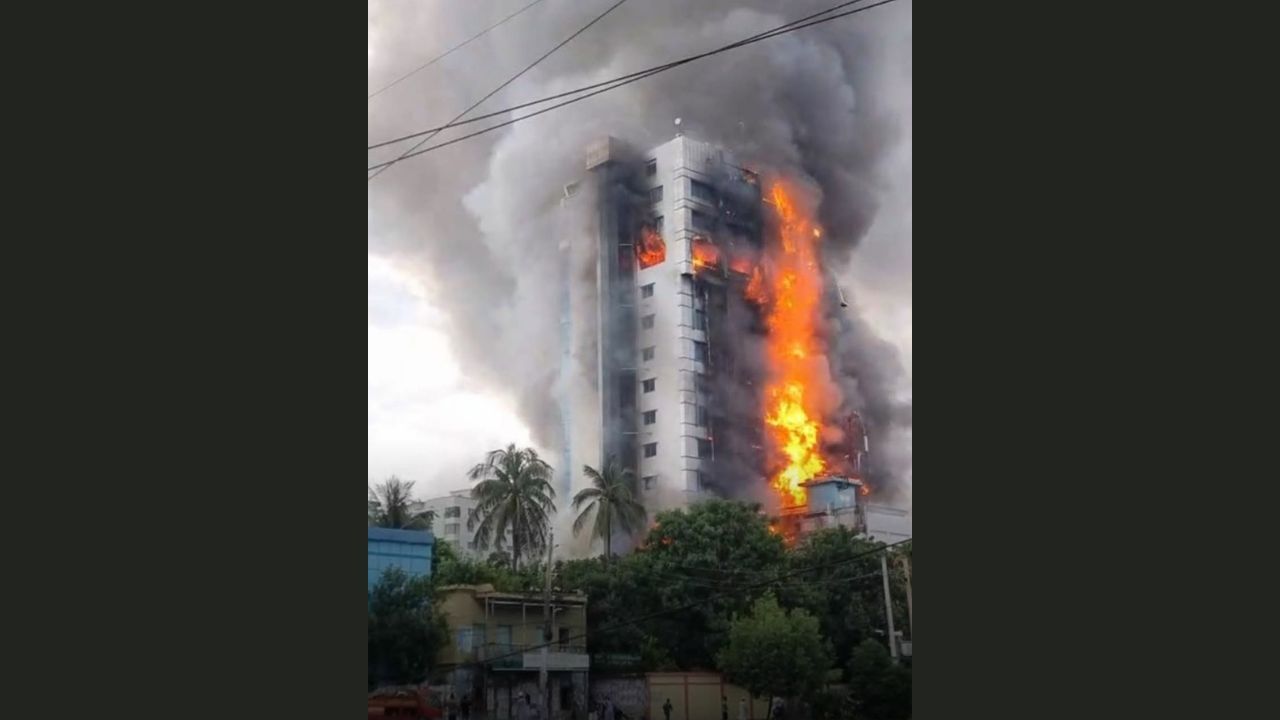
At the same time, incidents of vandalism and arson took place in several locations, including Dhanmondi 32, reflecting the turbulent aftermath of a historic political transition.
At around 5pm, the army chief appeared on television and formally informed the nation about Hasina’s resignation and departure. He announced that an interim government would soon be formed and that the army would take responsibility for restoring law and order.
The events of 5 August 2024 did not merely bring down a government; they reshaped Bangladesh’s political and administrative landscape. Two years later, the afternoon remains a defining moment — marked by the unprecedented mobilisation of ordinary people and a decisive intervention by the army that opened a new chapter in the country’s history.