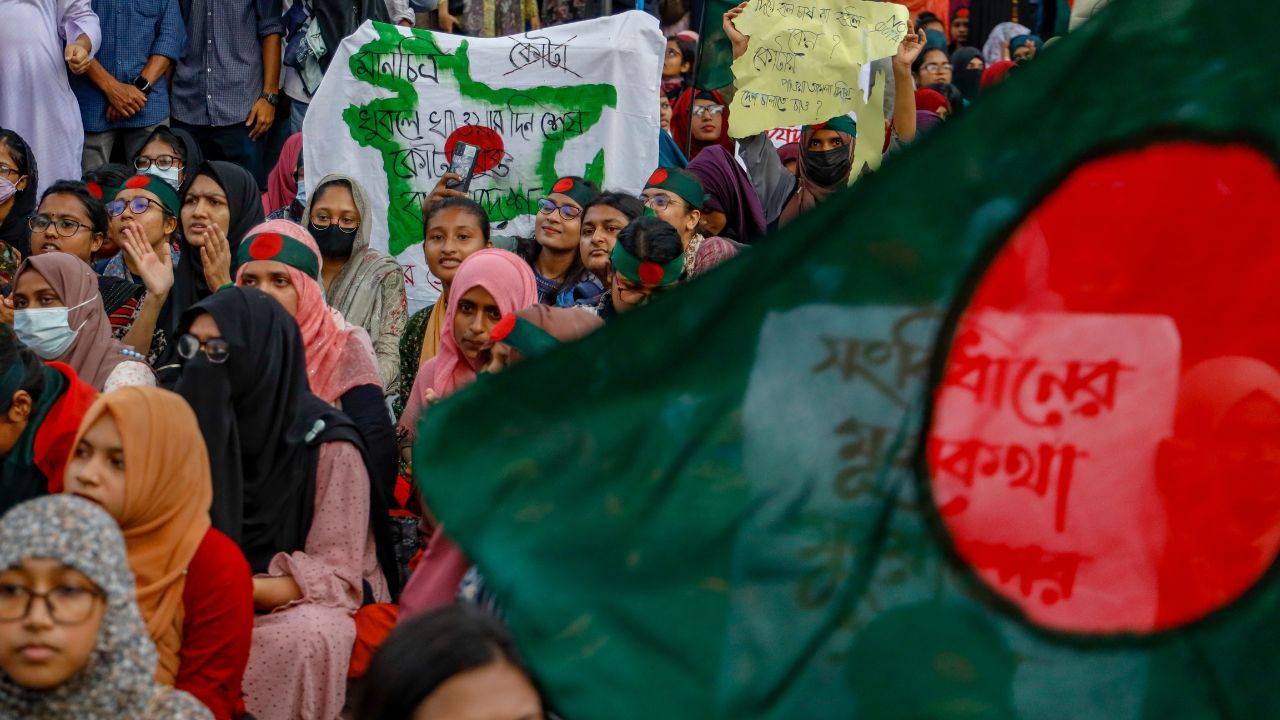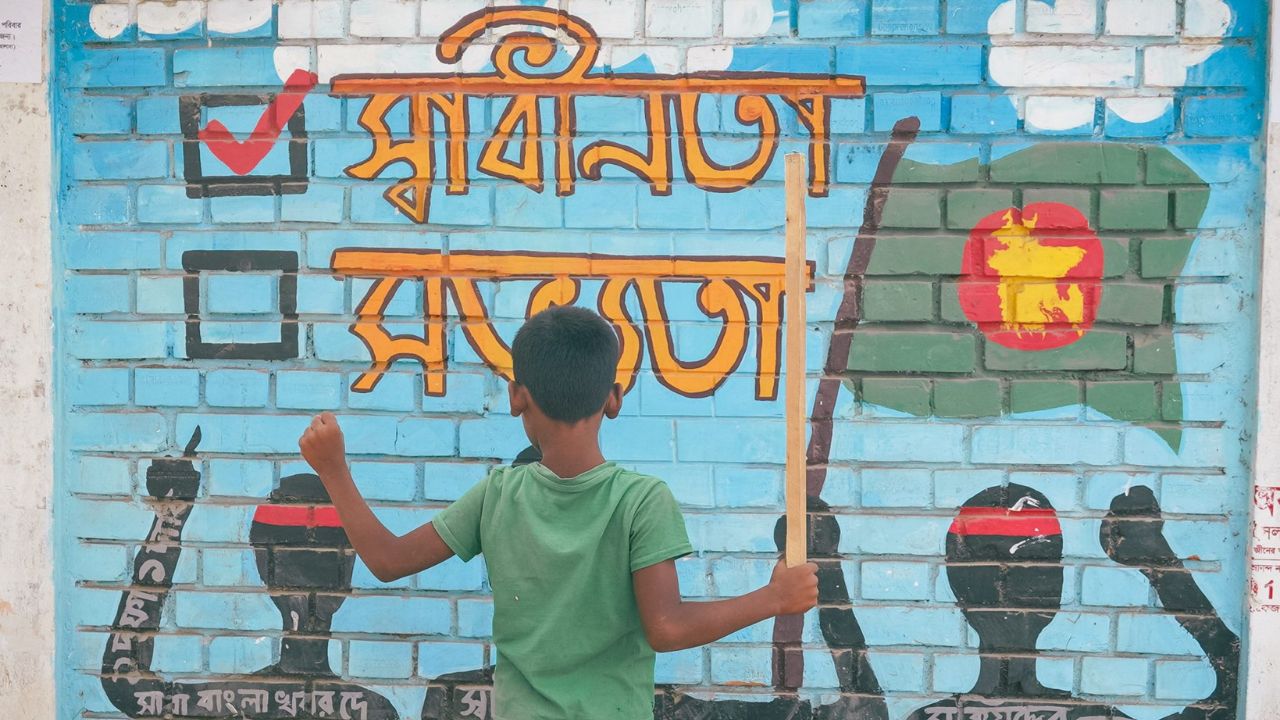
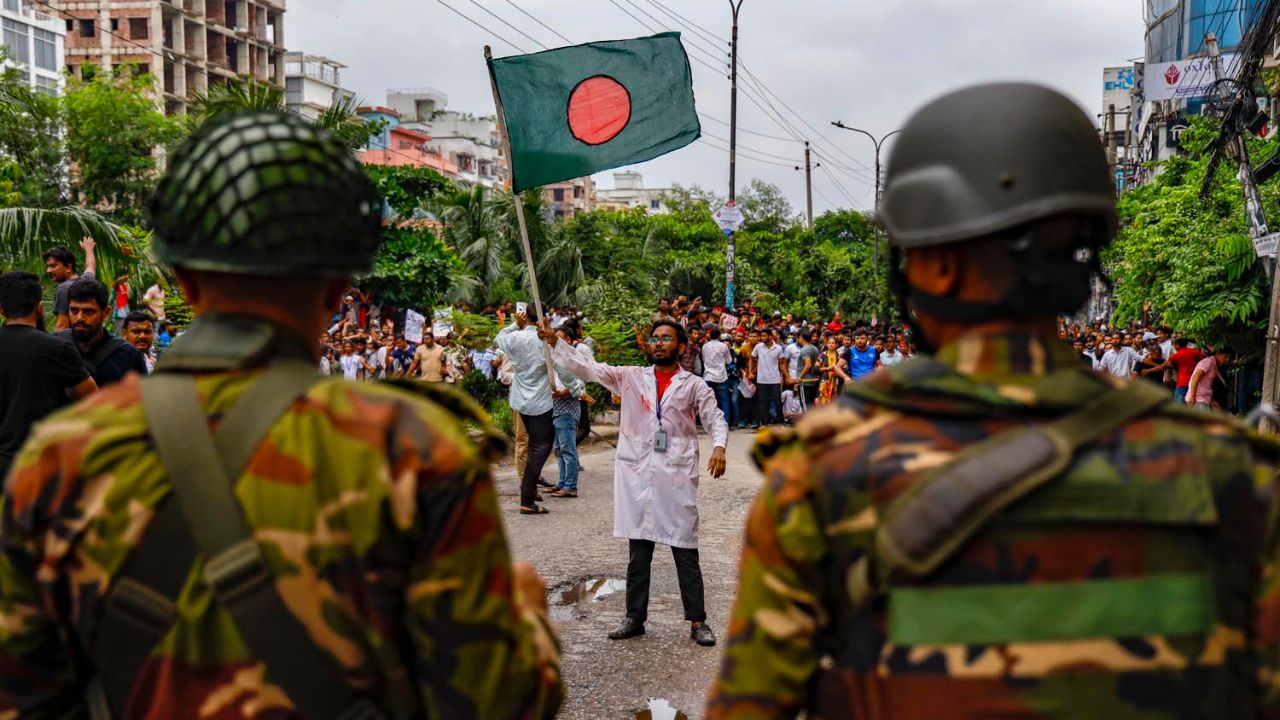



The movement began over government job quotas but evolved into a bloody mass uprising that brought down the government. Political observers and analysts say the escalation was driven by deeper grievances, including failures in governance, the erosion of electoral institutions, unbridle corruption, repression and the misuse of state power.
A report by the Office of the United Nations High Commissioner for Human Rights (OHCHR) in February 2025 on the July uprising cited excessive use of force by law enforcement agencies, along with long-standing political repression, shrinking democratic space, corruption and economic grievances.
The report said most civilian casualties were caused by gunfire from security forces, with some unarmed protesters shot from close range.
Professor Anu Muhammad, a member of the Democratic Rights Committee who raised the one-point demand for government resignation at the 3 August rebellion march, said the roots of public anger went far beyond the quota issue.
“The employment crisis among young people, inflation, state repression, corruption in recruitment and the destruction of institutions people relied on for trust caused long-standing anger to explode,” he told TIMES of Bangladesh.
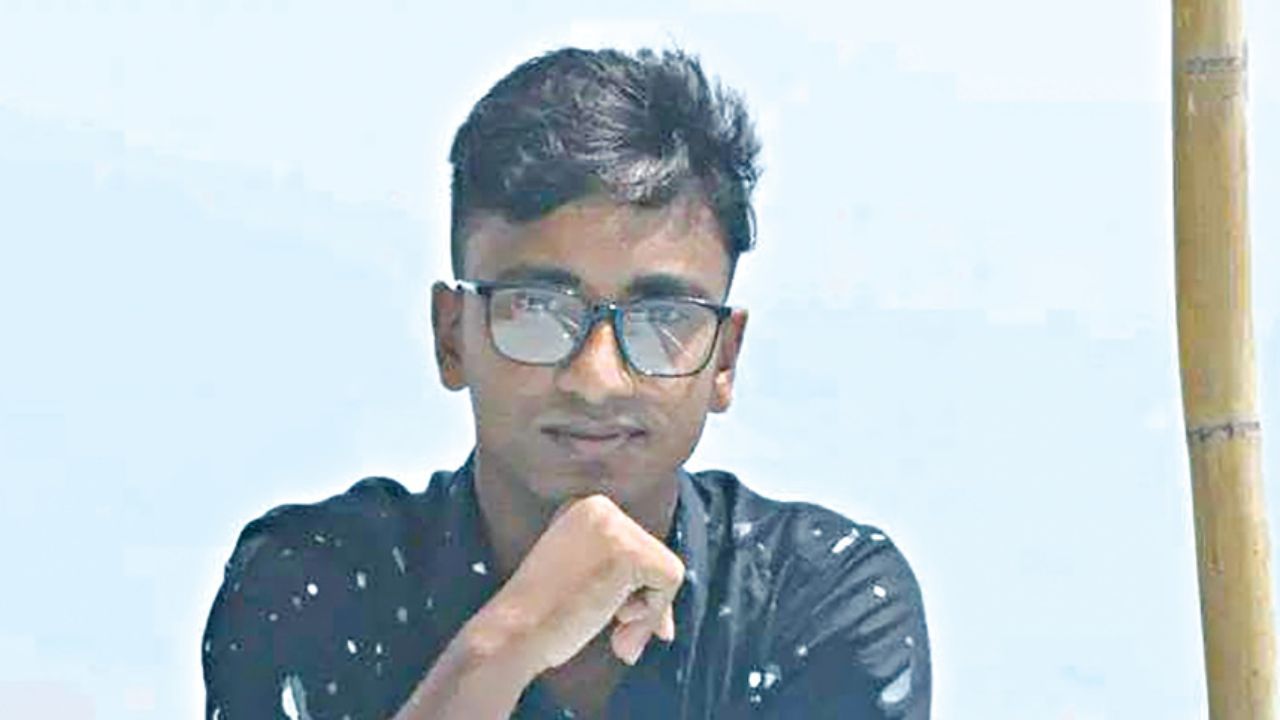
Analysts identify two immediate triggers before 5 August: the attack led by Chhatra League on protesting Dhaka University students and the video showing Abu Sayed, an unarmed student of Begum Rokeya University in Rangpur, being shot at close range.
The incidents pushed the situation beyond control. Despite army deployment and a curfew, authorities failed to restore order. Amid the student-public march towards Dhaka, then prime minister Sheikh Hasina fled to India on 5 August, ending her 15-and-a-half-year rule.

“The accumulated anger of people against long-standing inequality, denial of democratic rights, corruption and lack of accountability in state governance ultimately turned into the July mass uprising,” DU physics professor Kamrul Hasan Mamun told TIMES.
Indiscriminate firing
After the High Court restored the quota system in June 2024, students resumed protests over government jobs. The Anti-Discrimination Student Movement launched a series of programmes.
The movement took a decisive turn after 14 July, when Hasina, responding to a question, said, “If the grandchildren of freedom fighters do not get benefits, will the grandchildren of Razakars get the benefits?”
DU student Nafis Ahmed Himel told TIMES of Bangladesh that after this incident, he felt the movement would no longer remain confined to the quota issue and could transform into a broader political movement.
The following day, Chhatra League activists attacked protesting students at DU. The death of Abu Sayed on 16 July became a turning point, with footage of him standing with his arms spread before gunfire becoming a defining image of the uprising.

“After hearing the news of Abu Sayed’s death, it became clear to me that the movement could no longer be stopped easily,” said Nafis, who actively participated in the movement.
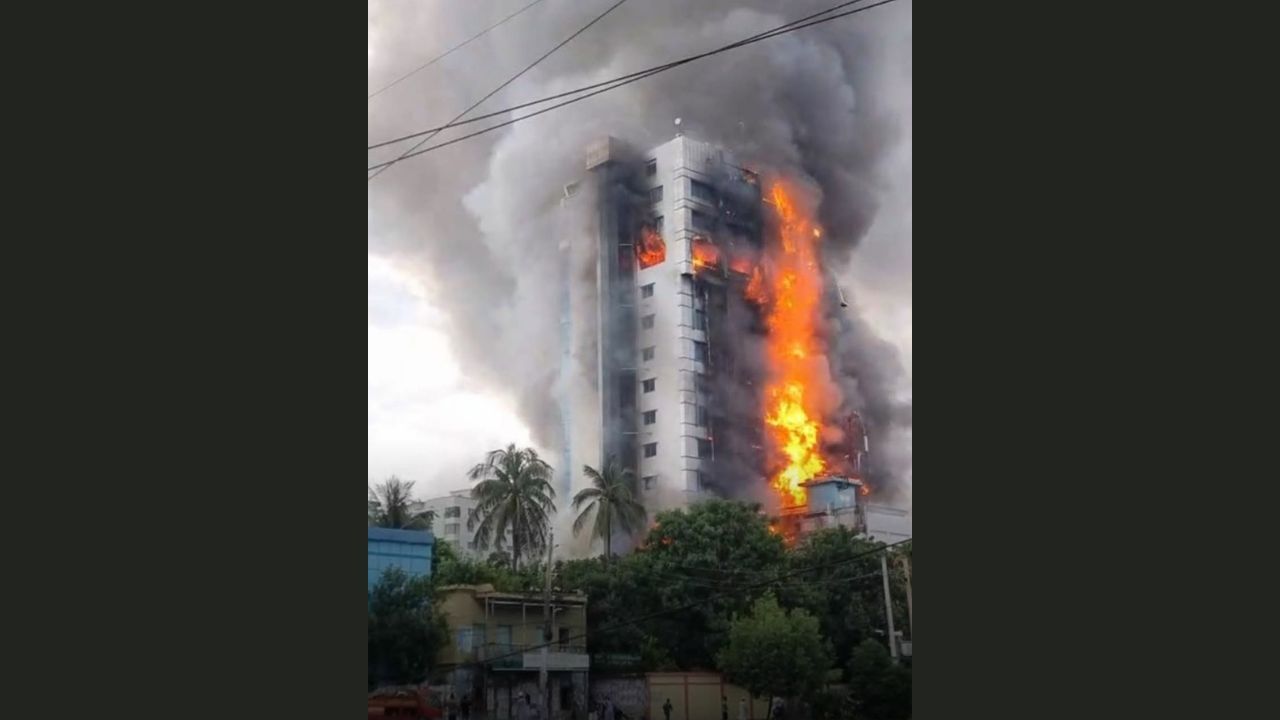
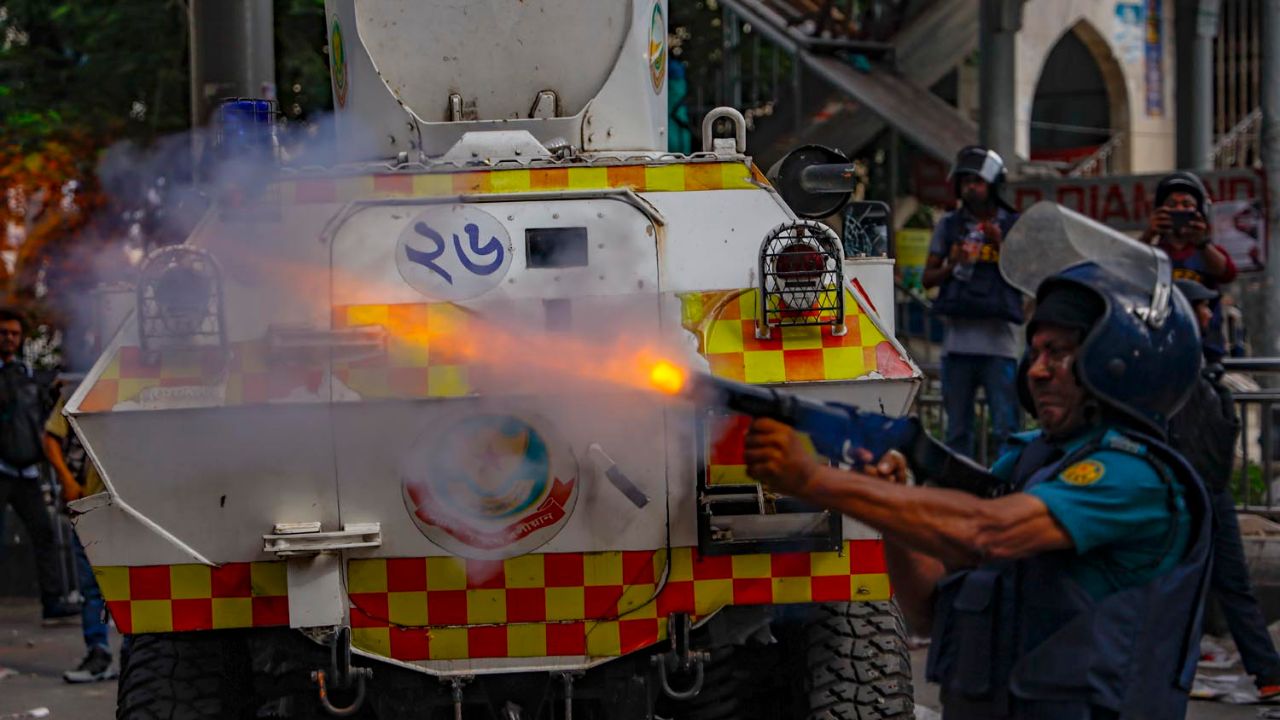
During the shutdown programme, more than 35 people were killed across the country, turning the quota movement into a broader political uprising. Despite a nationwide curfew, the situation remained beyond control.
Videos of police firing spread widely on social media, showing unarmed people being shot, including those fleeing or seeking shelter.
After six coordinators were released at the end of July, coordinator Nahid Islam announced the one-point demand for the government’s resignation at a rally at the Central Shaheed Minar on 3 August.
As repression intensified, the “March to Dhaka” programme was announced for 5 August. Hundreds of thousands joined the march, leading to the fall of the Awami League government.
Roots of anger ran deeper
According to Economist Debapriya Bhattacharya, the July uprising was not merely a change of power; it was a collective resistance by the people against corruption, inequality, repression and authoritarian rule.
Coordinator Asadullah Al Galib said the movement was driven not only by the quota issue but also by long-standing public anger over the system of governance.
Critics said people were unable to vote freely in the three elections held after the Awami League’s landslide victory in 2008. The 2014 election was boycotted by the opposition, while the 2018 election later became known as the “night-time vote”. An interim government investigation report said ballot boxes had been filled before polling in around 80 per cent of centres.
The 2024 election was again boycotted by the opposition and was later described by critics as a “dummy election”.
Former coordinator Nazmus Salehi said the uprising was the result of anger over inequality, devaluation of merit, lack of accountability and denial of democratic rights.
During the Awami League’s rule, allegations of enforced disappearances, extrajudicial killings and political repression also drew international criticism.
Human Rights Watch documented concerns over enforced disappearances and extrajudicial killings since 2009. In December 2021, the United States imposed sanctions on Rapid Action Battalion and seven former and serving officials amid allegations involving more than 600 enforced disappearances and around 600 extrajudicial killings since 2018.
Human rights activist Nur Khan Liton said political cases, crossfire killings, enforced disappearances, looting and repression created widespread anger, while the decision to use force against the quota movement pushed that anger towards an explosion.
The banking sector also became a source of public frustration, with loan scandals, rising defaulted loans and the stock market collapse. The 2010-11 market crash affected millions of small investors, while allegations of major financial irregularities involving Hall-Mark Group, BASIC Bank and later S Alam Group intensified public anger.
TIB Executive Director Iftekharuzzaman said the controversies reflected weaknesses in the state’s accountability system.
“Through the nexus of politics, bureaucracy and businesspeople, a ‘kleptocracy’ had developed in the country. The objective of the July movement was to end that system,” he said.
Public anger also grew over allegations of abuse by the ruling party’s student wing on university campuses. In October 2019, Chhatra League leaders and activists at Bangladesh University of Engineering and Technology beat student Abrar Fahad to death.