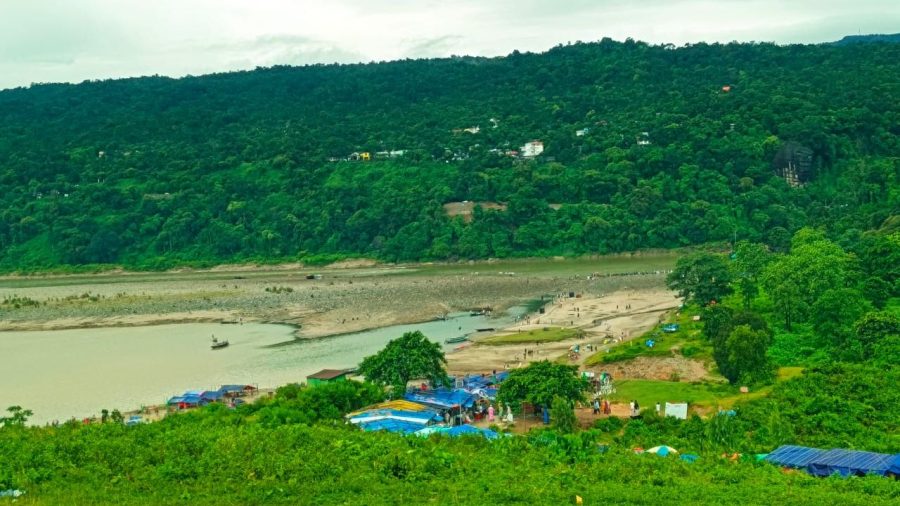



Blessed with emerald tea estates, crystal-clear stone rivers, and misty hillscapes, Sylhet remains one of Bangladesh’s most enchanting jewels.
Every year, hundreds of thousands of holidaymakers flock to this north-eastern paradise, particularly during peak Eid and Puja breaks.
Yet, behind the idyllic postcard views lies a frustrating reality for travellers: a region rich in raw beauty, but severely impoverished in basic infrastructure.
While global destinations in neighbouring Thailand, Malaysia, Nepal, and the Maldives thrive on seamless digital ecosystem featuring contactless payments, interactive mapping, and real-time crowd management, Sylhet’s crown jewels remain stranded in the analogue era.
At prime hotspots such as Jaflong, Sadapathar, Bichhnakandi, Ratargul, and Lalakhal, visitors face a stark lack of modern amenities.
Mobile network coverage drops off completely in key zones, leaving tourists unable to access digital maps, make emergency calls, or use online services.

Basic necessities, ranging from clean sanitation facilities for women to reliable security, standard accommodation, and hygienic dining, are routinely missing.
“While global destinations are evolving into smart hubs, visitors to Sylhet’s top spots are still wrestling with basic network coverage,” tourism writer Mohammad Khatibur Rahman told TIMES. “Popular locations like Jaflong and Sadapathor lack integrated digital maps, QR-coded information portals, or centralised digital services.”
The safety deficit is equally alarming. With zero permanent fire service personnel or station divers stationed at riverine hotspots, water-related accidents face agonizing rescue delays.




Addressing the mobile blackouts, Gowainghat Upazila Nirbahi Officer (UNO) Ratan Kumar Adhikari explained that setting up telecoms towers near border sites like Jaflong involves complex legal and strategic hurdles, though talks with operators are underway to pinpoint viable locations.
Transport woes further tarnish the region’s appeal. At Bichhnakandi, poor road links prevent direct vehicular access, forcing visitors onto makeshift boats or rough footpaths.
“Many people have virtually forgotten about Bichhnakandi due to the travel nightmare,” lamented local schoolteacher Anwar Hossain. “Those who do brave the journey often leave bitterly disappointed.”
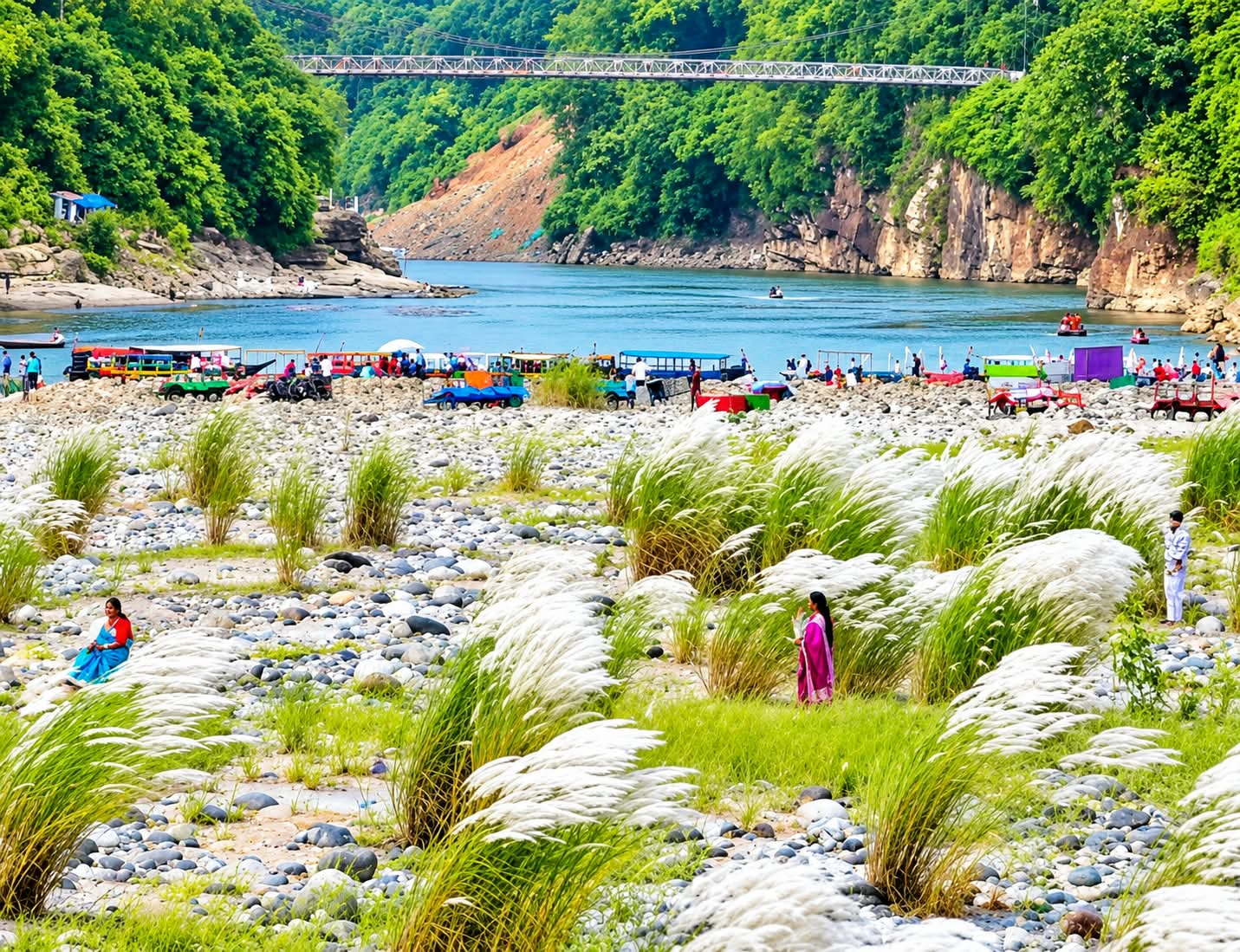
The proximity to international borders also brings reports of tourists being caught up in anti-smuggling spot-checks.
Meanwhile, the fragile freshwater swamp forest of Ratargul faces severe ecological strain. Escalating boat traffic, noise pollution, and unmanaged litter threaten its unique biodiversity, while tourists complain of surging boat fares and a dearth of proper dining choices during peak periods.
Human resources offer little relief. Although the Bangladesh Tourism Board trains roughly 100 to 150 guides annually in Sylhet, industry insiders say it is a drop in the ocean. The deficit leaves foreign travellers without reliable cultural context, whilst unregistered opportunists routinely overcharge and harass visitors.
“A concerning number of individuals leave the country shortly after receiving their training certificates,” Rahman observed.
Abu Selim Mahmud-ul Hasan, Director of Administration and Finance at the Bangladesh Tourism Board, acknowledged the issue, stressing that certified guides must be actively monitored post-qualification to ensure service retention.
Underpinning all these issues is the grueling journey to the region itself. Work on the Dhaka-Sylhet highway has dragged on, turning travel into an exhausting trial of gridlock and potholes, compounded by railway ticket shortages and volatile airfares.
“The single biggest obstacle to Sylhet’s tourism growth today is transportation, especially the Dhaka-Sylhet highway,” warned Falah Uddin Ali Ahmed, former vice-president of the Sylhet Chamber of Commerce and Industry. “If this is not resolved swiftly, the region’s tourism sector will fall even further behind.”
Local authorities are attempting incremental fixes. In Jaflong, UNO Adhikari highlighted recent efforts to install freshly painted shaded benches at Zero Point and outlined plans for a dedicated scenic viewpoint.
However, local business owners and travel experts agree that piecemeal benches will not suffice.
For Sylhet to truly capitalise on its natural splendor, government authorities must commit to sweeping, coordinated investments in highway transport, digital connectivity, environmental protection, and visitor safety before tourists tune out for good.