


In Sukumar Ray’s satirical tale, The King for a Year, a humble man sees his fortunes transformed after being handed a temporary crown. Yet at Chittagong University of Engineering and Technology (Cuet), a real-life institutional saga has played out in reverse.
Here, a newly appointed vice-chancellor did not merely wear the crown, he captured the hearts of an entire academic community in a fleeting 56 days, sparking unprecedented campus protests when he was abruptly removed.
Professor Abu Sadat Muhammad Sayem assumed office as Cuet vice-chancellor on 28 July 2026, only to be relieved of his duties on 21 September. Fifty-six days is barely a blink in academia.
For most university administrators, such a window is spent deciphering bureaucratic red tape. Yet Sayem’s brief tenure shattered expectations, leaving behind a legacy that has brought the campus to a standstill in protest against his departure.
Sayem’s approach was defined by a personal touch. Iftekhar Uddin, a third-year Urban and Regional Planning student, recalls receiving a personal message from the Vice-Chancellor on a public holiday after hosting a club festival.

The next day, Sayem called him for a ten-minute chat.
“I never imagined a vice-chancellor would personally call an undergraduate to encourage their extracurricular work,” Iftekhar admitted. “He possessed a rare humility, combined with an ambitious, international vision for our clubs.”
Civil Engineering third-year student Afriada Ahmed echoed the sentiment, noting that Sayem redefined administrative leadership by stepping out from behind executive desks to connect directly with the student body.


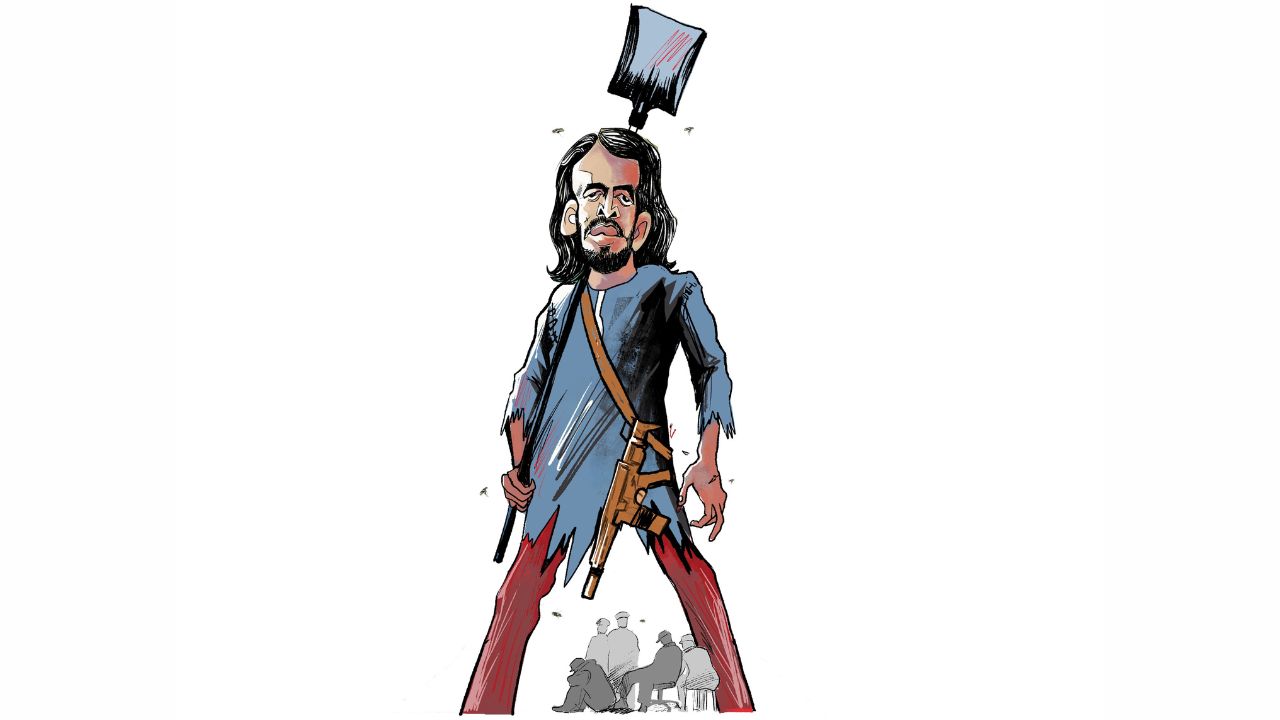

Sayem’s core focus was launching Cuet students onto the world stage. Within weeks, he announced initiatives to send 50 students abroad on full scholarships, negotiated student exchange programmes with Norway’s University of Agder, and pursued academic partnerships across South Korea and Australia.
His ambitions extended directly to career placement. Sayem personally facilitated the recruitment of five Cuet graduates at the Italian steel giant Danieli, actively helping them navigate complex selection processes and visa hurdles.
“I wanted to harness the intellectual power of my students,” Professor Sayem told TIMES of Bangladesh. “My goal was to chart a visionary path so they could establish themselves on the global stage.”
Sayem’s deep empathy stemmed from his unique history: he was one of Cuet’s own. Enrolling in the university’s inaugural batch in 2003, he joined the faculty in 2005.
After earning a master’s degree from Japan’s Hokkaido University and a PhD from Australia’s CQUniversity, he rejected lucrative overseas prospects to return home, believing personal success meant little if it did not uplift the institution that shaped him.
Sayem tackled long-neglected infrastructure issues head-on, addressing shortages in classrooms, residential halls, and transport, while drafting a comprehensive master plan for smart classrooms.
To boost research, he sought funding from corporate investors alongside state grants, proposing industry-aligned research hubs linked to Chattogram’s seaport and oil refineries.
When a student tragically drowned in a campus pond shortly after his appointment, Sayem personally supervised the immediate installation of safety fencing, warning signs, and drainage controls. He subsequently enforced a strict “zero tolerance” policy towards ragging and illicit drugs.
Sayem’s sudden removal triggered widespread shock, drawing international condemnation from 12 prominent academics worldwide, including his former PhD supervisor, Professor Masud Khan of Auckland University of Technology.
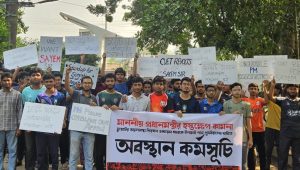
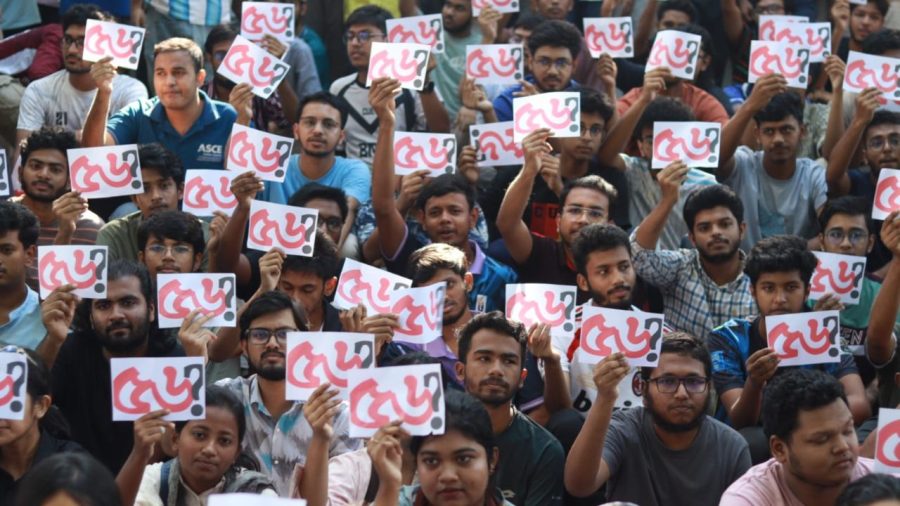
On campus, the response was immediate. Students launched fierce protests, including class boycotts, human chains, and sit-ins. By 28 September, as the movement reached its seventh consecutive day, Cuet faculty joined in with a complete work stoppage.
While administrative leadership is usually measured in years, Professor Sayem demonstrated that genuine empathy, vision, and decisive action can transform a university community in less than two months, leaving an indelible mark that Cuet refuses to forget.