


Vegetable prices have fallen in Dinajpur as early winter produce begins arriving in markets, with some items becoming cheaper by as much as Tk30 a kilogram within a week.
The decline has brought relief to consumers, but farmers are worried about recovering their production costs.
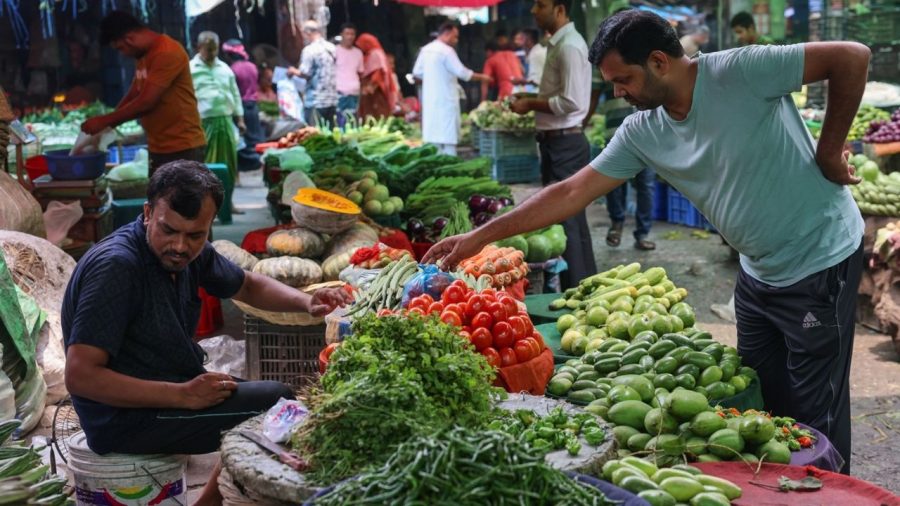
A visit to Bahadur Bazar and several other kitchen markets in Dinajpur town on Saturday found increased supplies of winter vegetables, including red amaranth, spinach, radish leaves, cabbage, cauliflower, beans, radish, carrots, tomatoes, turnips, beetroot and capsicum.
Imported green chillies are currently selling for Tk90 to Tk100 a kg, while locally grown chillies cost Tk130 to Tk140. Prices of both varieties have fallen by Tk20 to Tk30 over the past week.

Potatoes are selling for Tk16 to Tk30 a kg depending on variety, onions for Tk40 to Tk45, aubergines for Tk50 to Tk70, beans for Tk150 to Tk160, carrots for Tk140, tomatoes for Tk120 and radishes for Tk60.
Ash gourds are selling for Tk40 each and green bananas for Tk30 per four. Cauliflowers are priced at Tk150 each and cabbages at Tk60.




Traders at Bahadur Bazar said early vegetables had yielded well in different parts of Dinajpur this year, increasing supplies in the wholesale market.
They said vegetables were now being bought at lower prices and sold with narrow profit margins. Prices could fall further as winter is coming.
Consumers and traders said vegetable purchases now cost less than they did a week ago. The fall in potato prices has brought particular relief to buyers, although some importers and traders have suffered losses.
Farmers, however, are struggling with the lower prices.
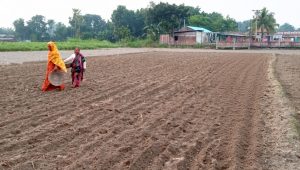
Growers from Ghughudanga in Sadar upazila and Fulbari upazila said favourable weather had resulted in a good harvest of early vegetables, but current market prices were making it difficult to recover production costs.
They fear heavier losses if prices fall further during the peak season.
Sources at the Department of Agricultural Extension in Dinajpur said the target for early winter vegetable cultivation this season was more than 7,150 hectares across the district’s 13 upazilas.
Favourable weather helped cultivation exceed the target, while production was also better than expected.