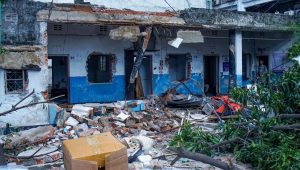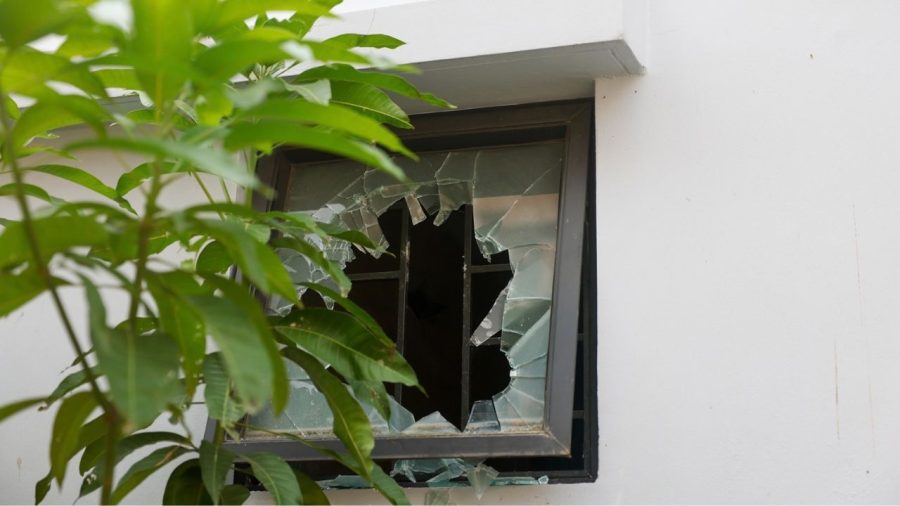



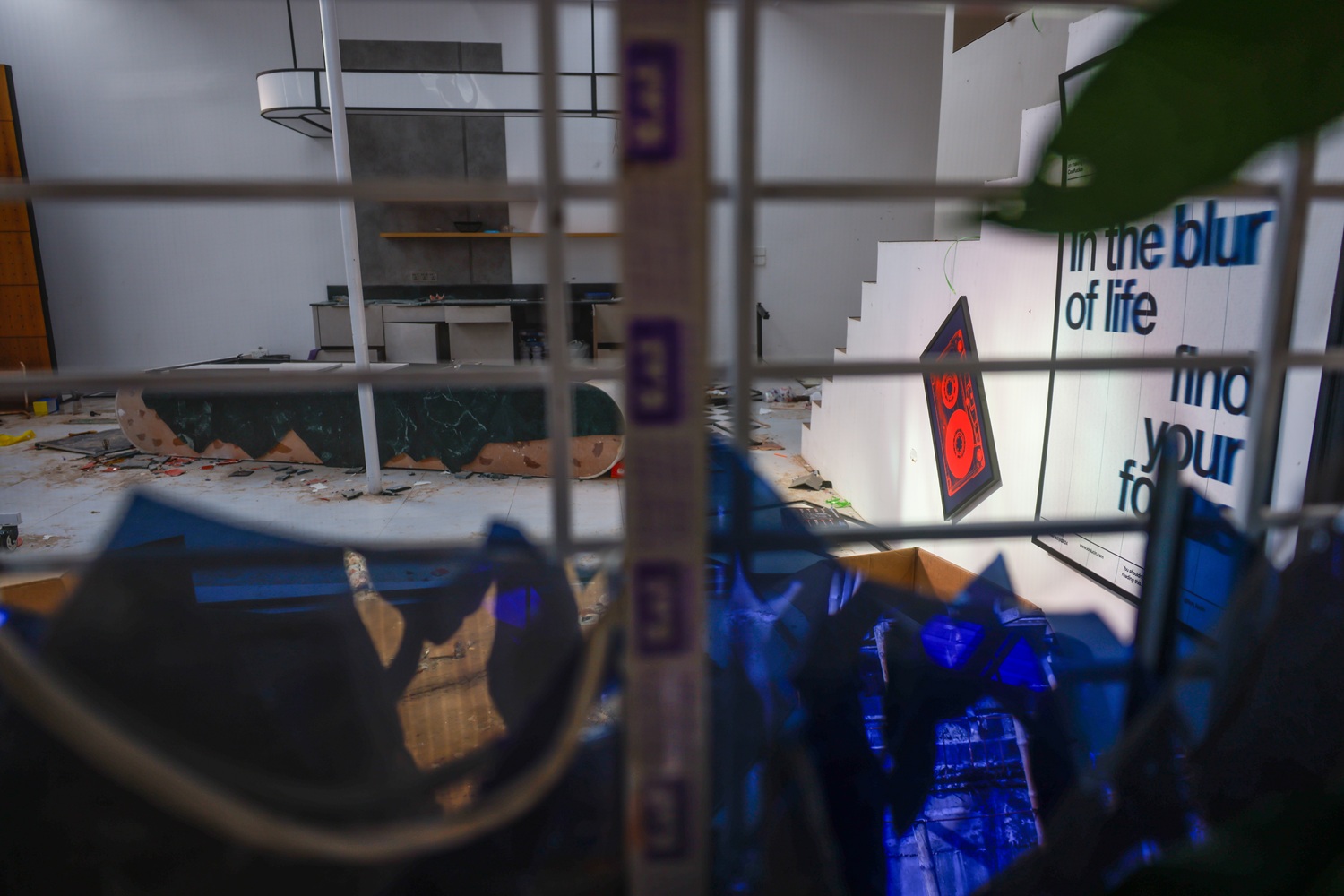
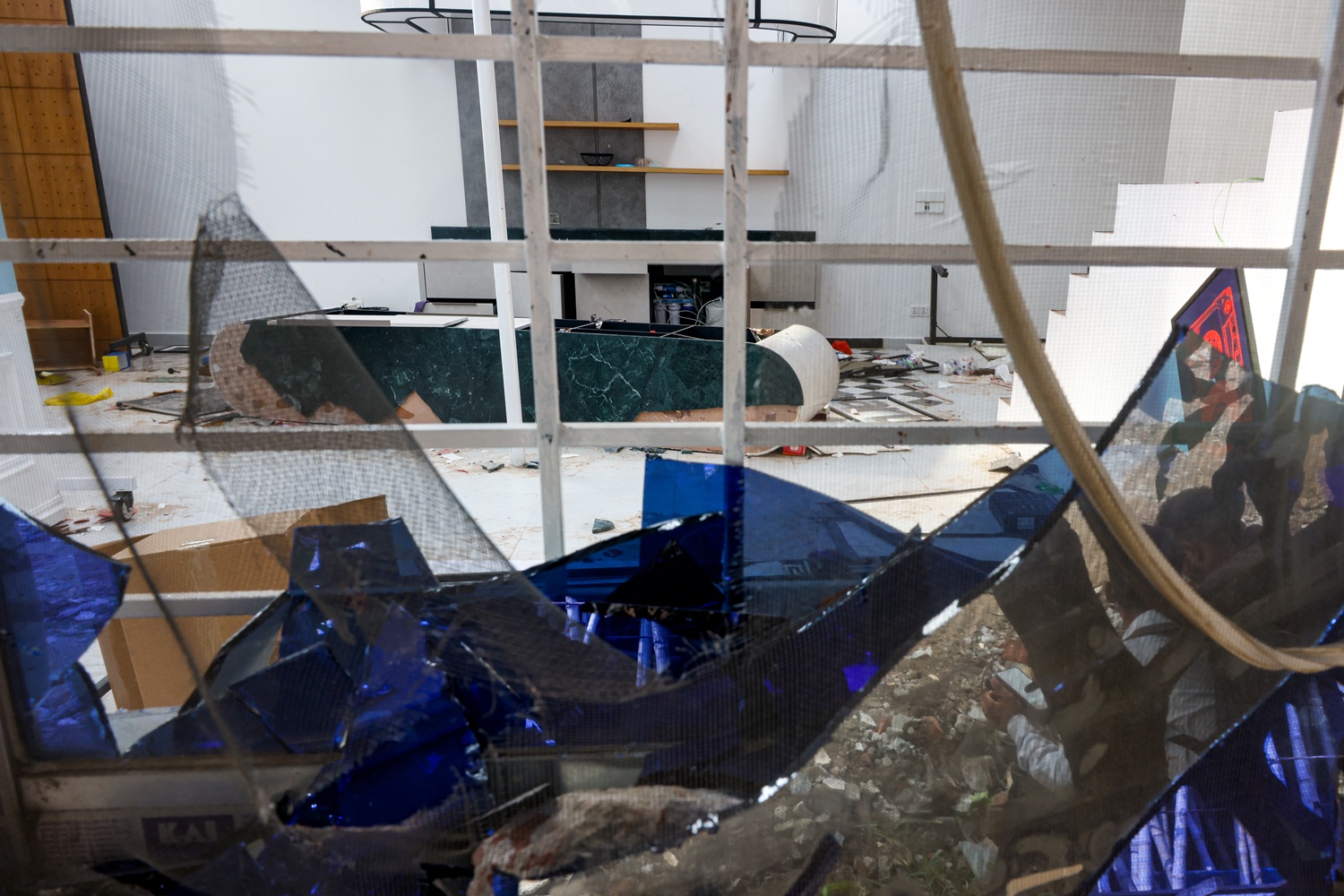
When an armed mob stormed the New Gini Properties compound in Dhaka’s ECB Chattar around 10:30pm on September 26, destroying content creator Salman Muqtadir’s hyper-aesthetic BrownFish Studio, the immediate loss was staggering.
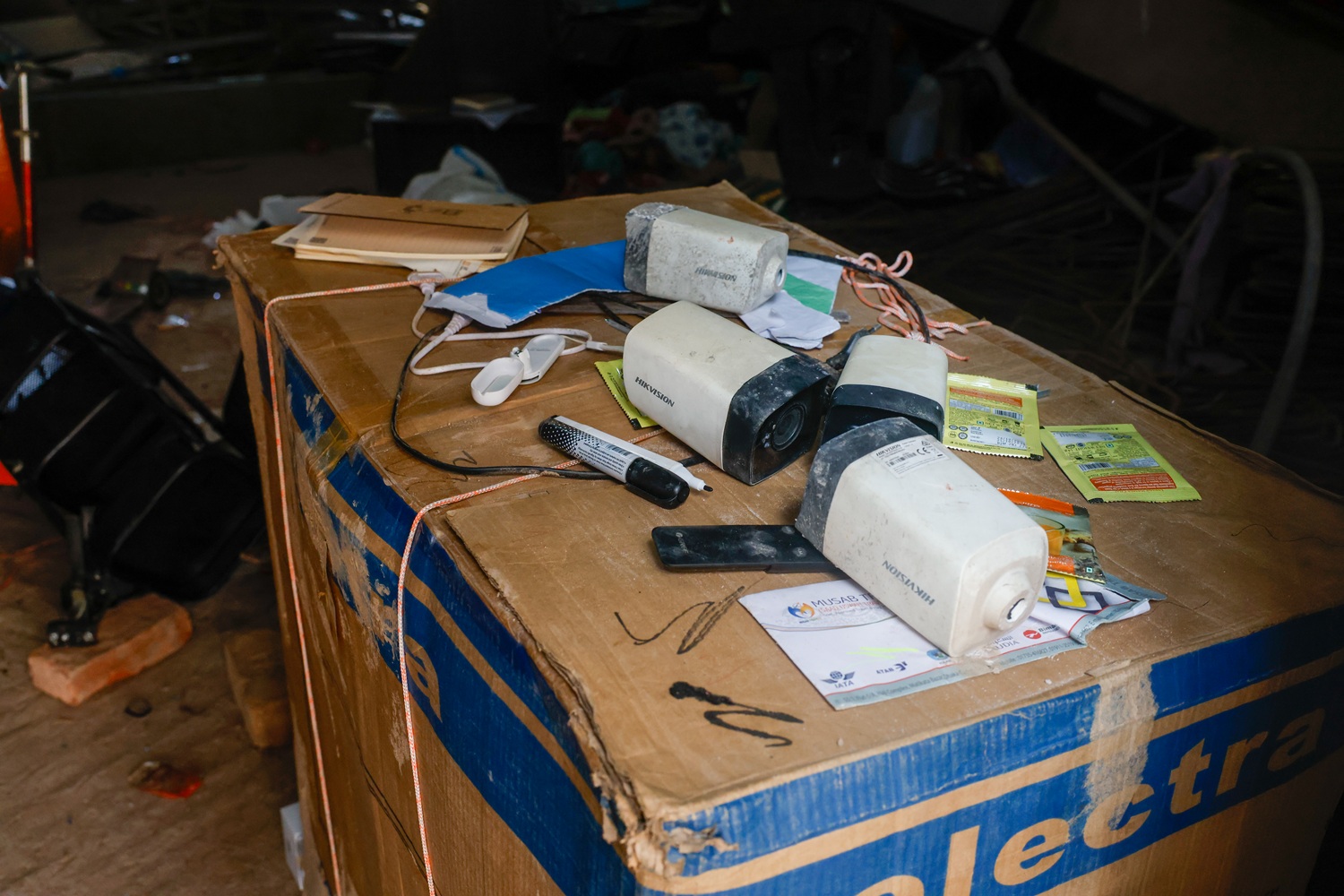
Over 100 armed assailants destroyed production equipment, smashed 29 CCTV cameras, and looted client materials belonging to 30 to 40 projects.
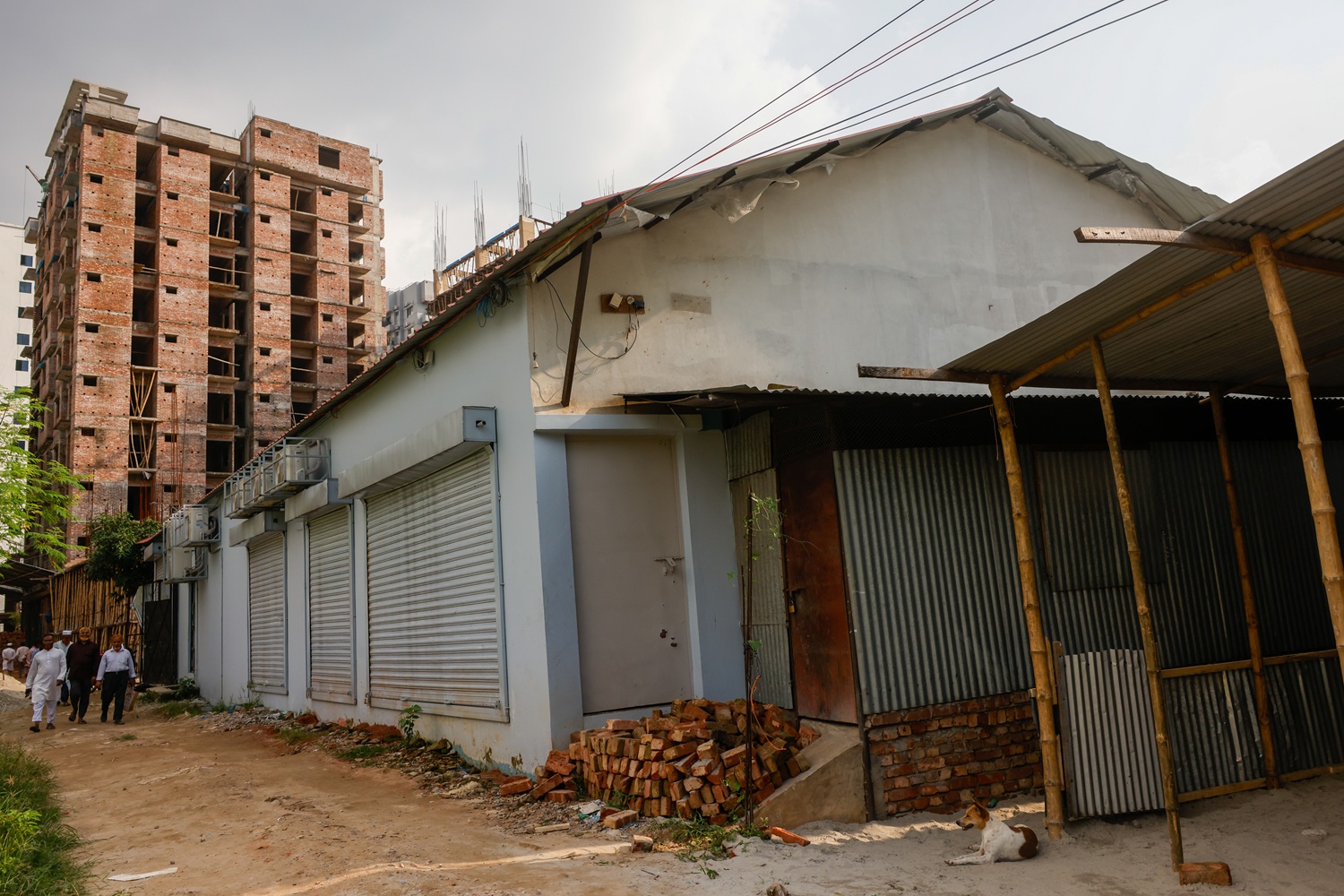
Yet, the aftermath of the raid has sparked a far wider political and civic confrontation, laying bare the deepening anxieties over lawlessness, extortion, and state inaction.

The incident quickly escalated into a high-profile debate over its underlying cause. Salman alleged in a viral video that local extortionists linked to political factions raided the complex after the developer refused extortion demands, trapping his studio in the crossfire.

Conversely, Home Minister Salahuddin Ahmed and police officials attributed the violence to a long-standing 35-katha land possession dispute between the developer and a neighbouring landowner, denying any extortion motive.




Although police arrested four suspects – including alleged planner Shahriar – Salman challenged the home minister directly over law enforcement’s failure to take immediate legal action when he sought to file a case at Cantonment Police Station overnight.
The fallout has resonated across Bangladesh’s political and creative landscapes.
Opposition leader and Jamaat-e-Islami Ameer Shafiqur Rahman publicly condemned the attack on the “July fighter,” questioning whether authorities would rein in extortionists within their ranks.
Meanwhile, celebrities and political groups voiced solidarity, framing the destruction of the pioneer studio as a devastating blow to the nation’s fledgling digital creative industry.
Refusing to be intimidated, Salman declared he would rebuild bigger.
However, his stark admission that he has lost faith in the country’s legal apparatus captures a disturbing reality for young entrepreneurs: in an ecosystem governed by political muscle and territorial disputes, even prominent cultural spaces remain starkly vulnerable.