


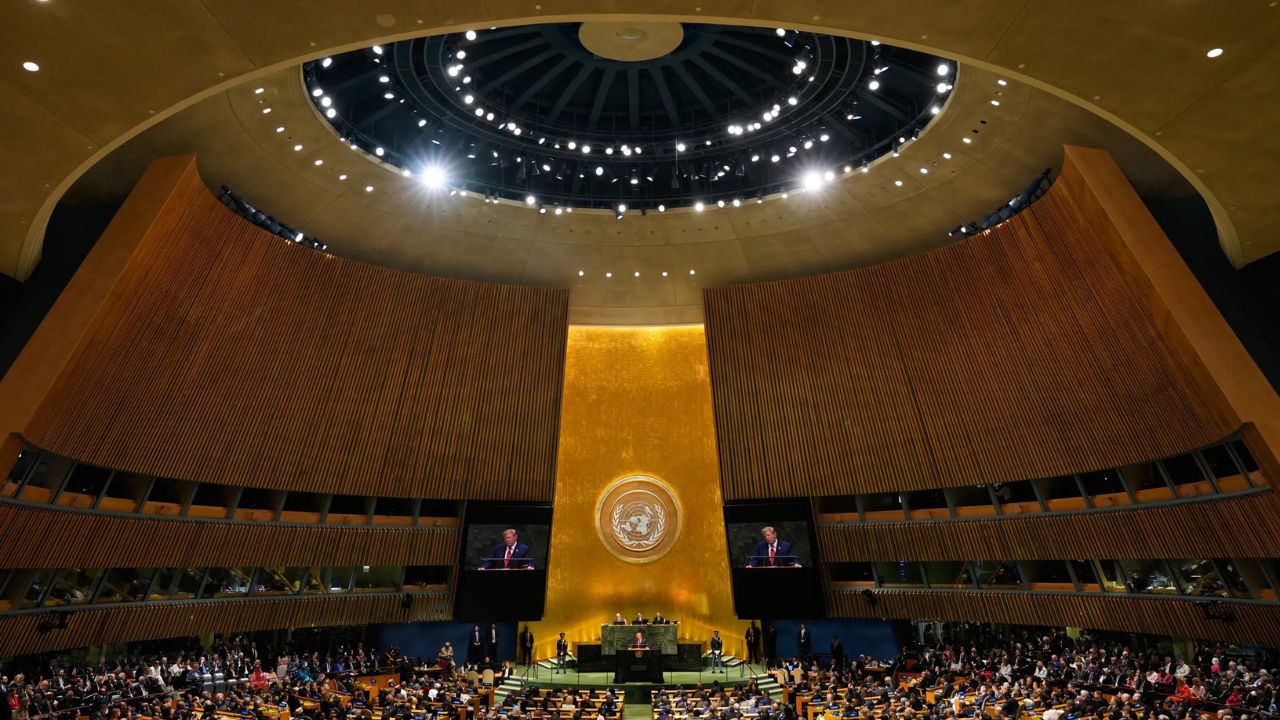
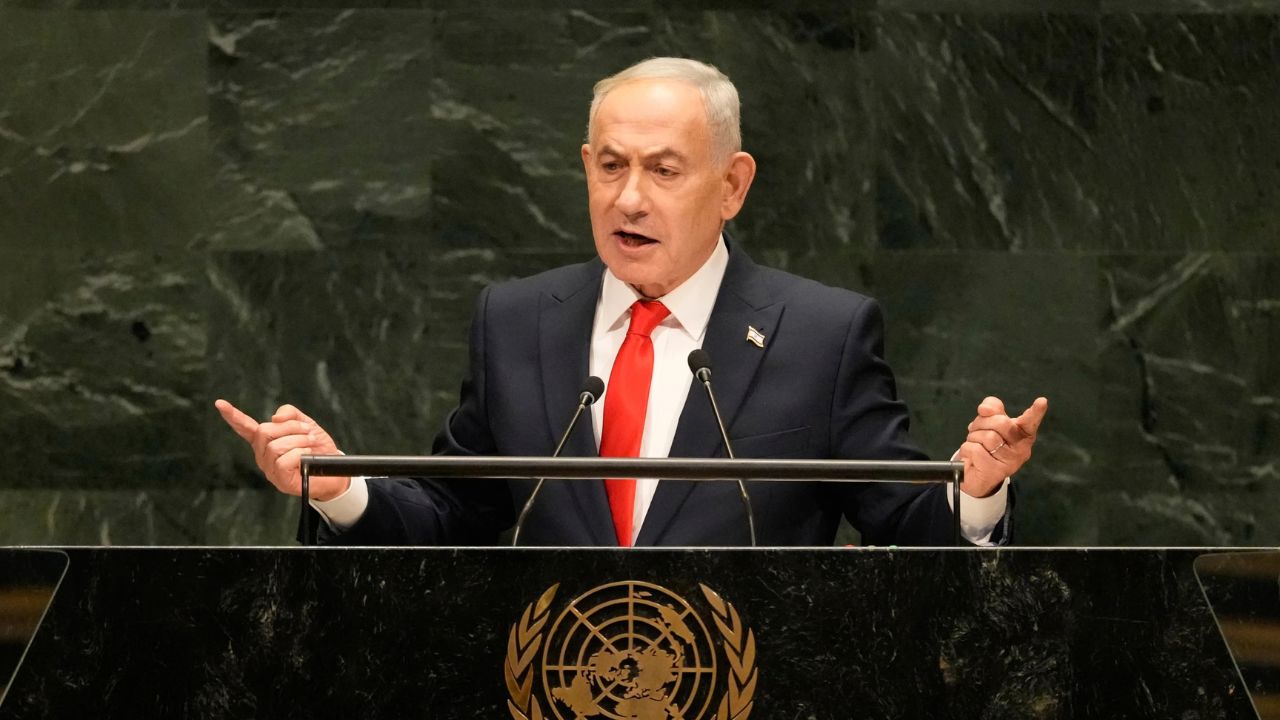
The 81st UN General Assembly opened this week against a backdrop of cascading crises that have laid bare the erosion of the international rules-based order, with world leaders trading accusations of double standards and selective justice while conflicts in Palestine, Iran, and Yemen rage unabated.
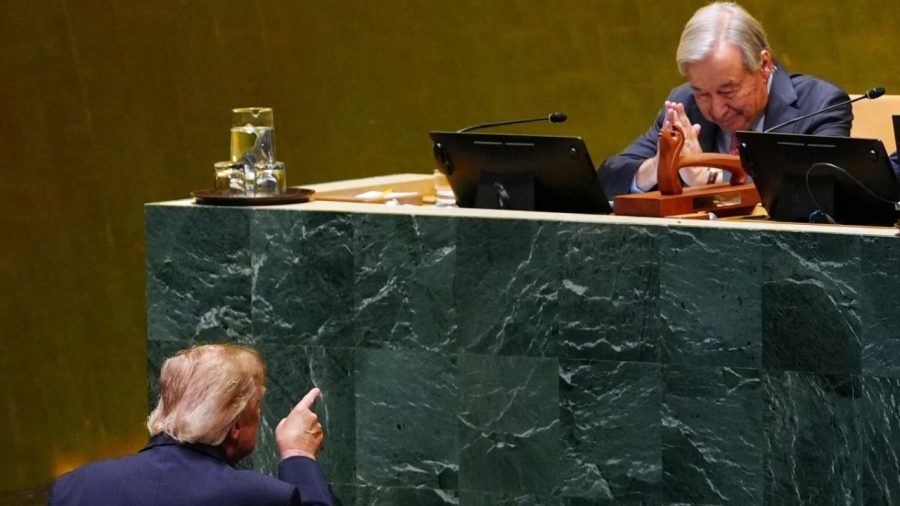
UN Secretary-General António Guterres warned that the “cracks” in the global system “have become canyons,” pointing to the targeting of civilians, the killing of humanitarian workers, and international law being “cast aside”.
French President Emmanuel Macron condemned what he called a “new order of impunity,” telling the assembly that the Geneva Conventions are being “dismantled” from Gaza to Sudan.
The genocide in Palestine has emerged as the most visible symbol of institutional paralysis.

While Guterres renewed calls for compliance with International Court of Justice orders regarding Gaza, leaders from the Global South questioned why sovereignty is defended in Europe but dismissed in the Middle East.
Kenyan President William Ruto captured the disillusionment: “International law cannot be loudly invoked in one crisis, cautiously in another, and ignored at other times.”

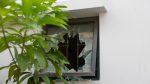
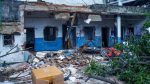
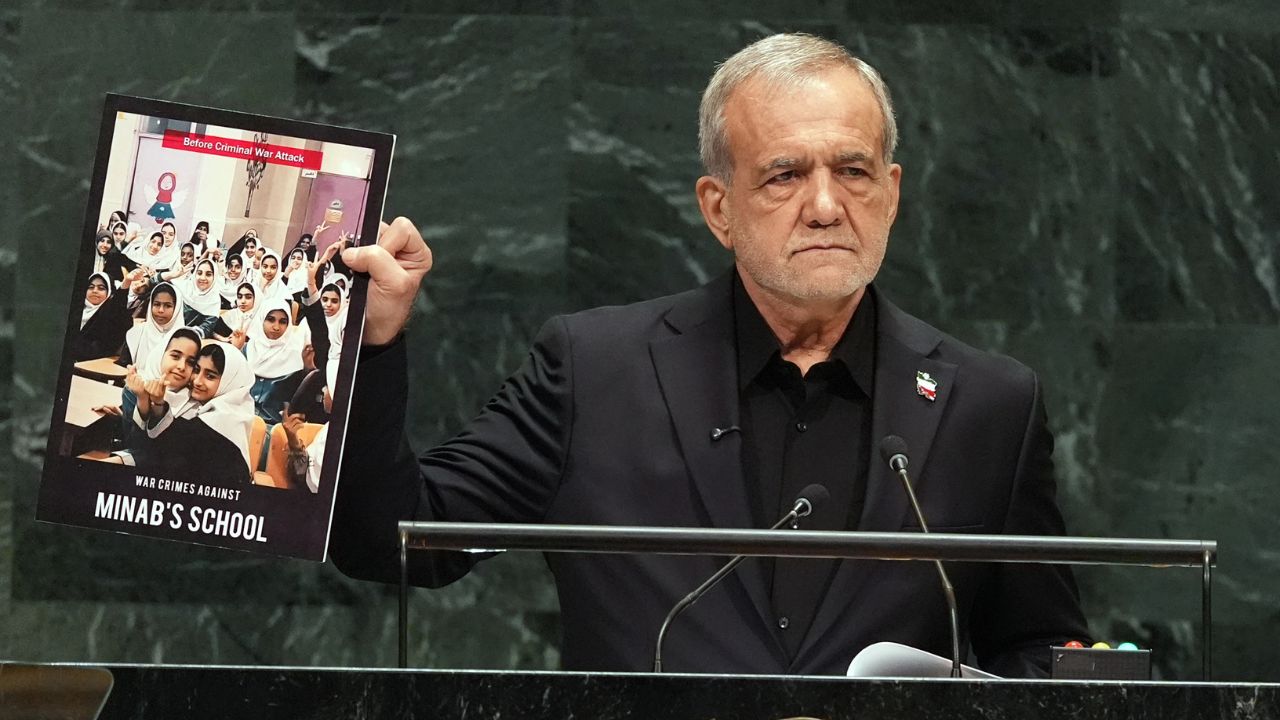
The US-Israeli attacks on Iran in late February – launched just days after a third round of indirect talks – have further poisoned the diplomatic atmosphere.
Guterres expressed deep regret that “this diplomatic opportunity was wasted,” while the Security Council has lost continuity of knowledge on Tehran’s nuclear programme.
In Yemen, the humanitarian catastrophe continues to deepen.
More than 18 million people are acutely hungry, over 7,50,000 pregnant women lack access to life-saving care, and three women die every day from preventable pregnancy complications.
The UN’s humanitarian appeal for Yemen is barely 20 per cent funded, with 73 UN staff still arbitrarily detained by Houthi authorities.
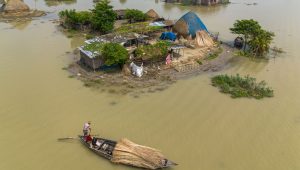
For Bangladesh, which assumed the UNGA presidency this session, the moment carries particular weight.
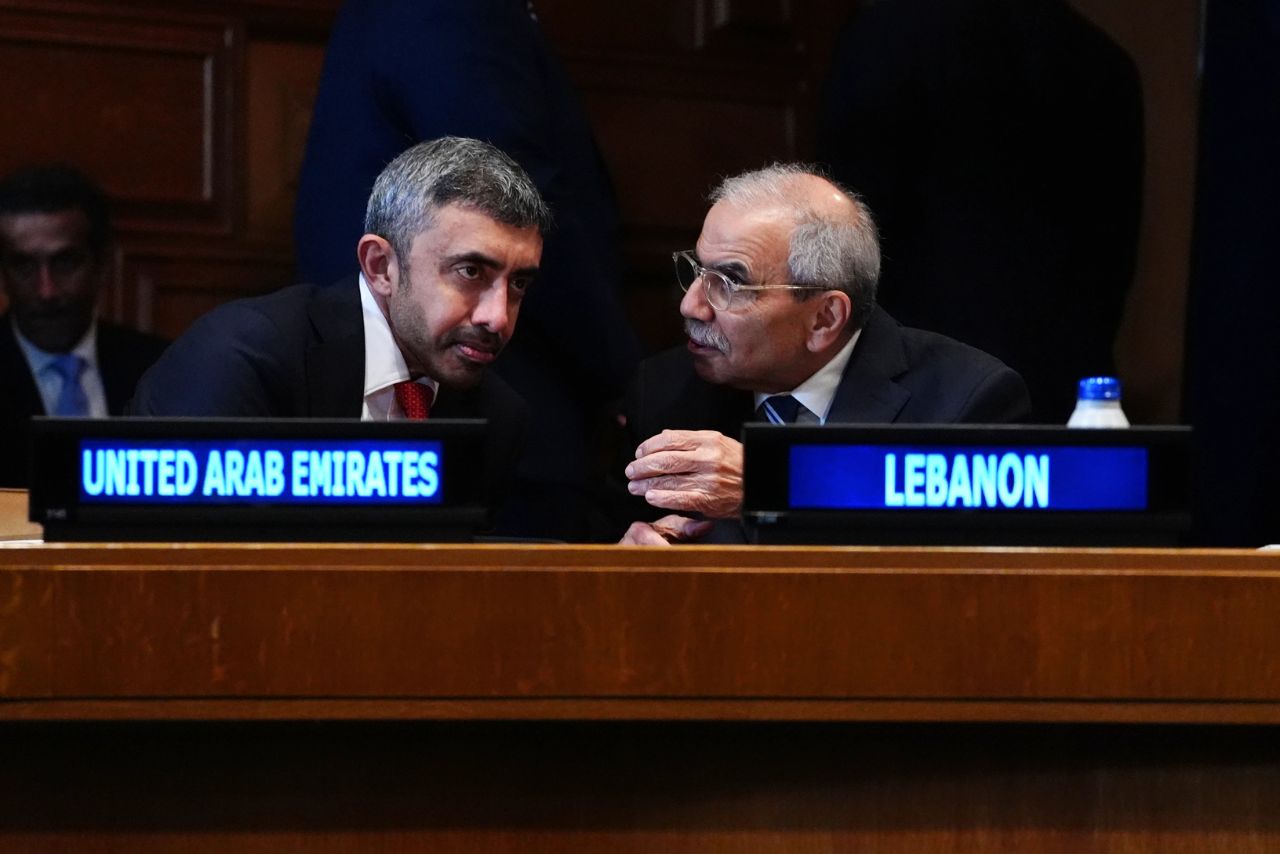
Foreign Minister Khalilur Rahman, elected with 99 votes, has pledged to act as a “bridge-builder” amid widening divisions.
Yet, as the assembly’s speeches this week demonstrated, the gulf between rhetoric and action has rarely seemed wider.