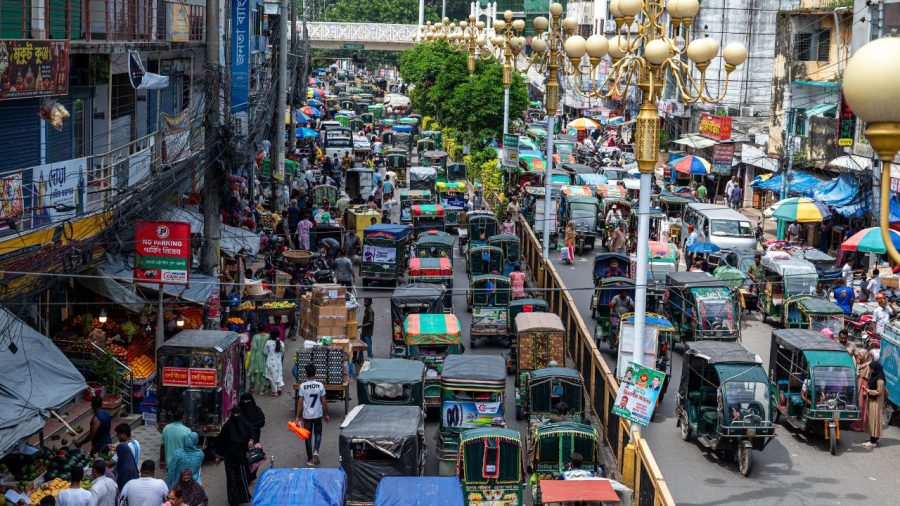



Rajshahi’s roads are seeing more and more battery-run auto-rickshaws, and many residents are now worried about the growing pressure on the city’s traffic system.
The Rajshahi City Corporation has stopped issuing new registrations, but people say new three-wheelers are still appearing on the streets.
Some are allegedly operating without proper registration, while questions have also been raised about the number plates used by some vehicles.
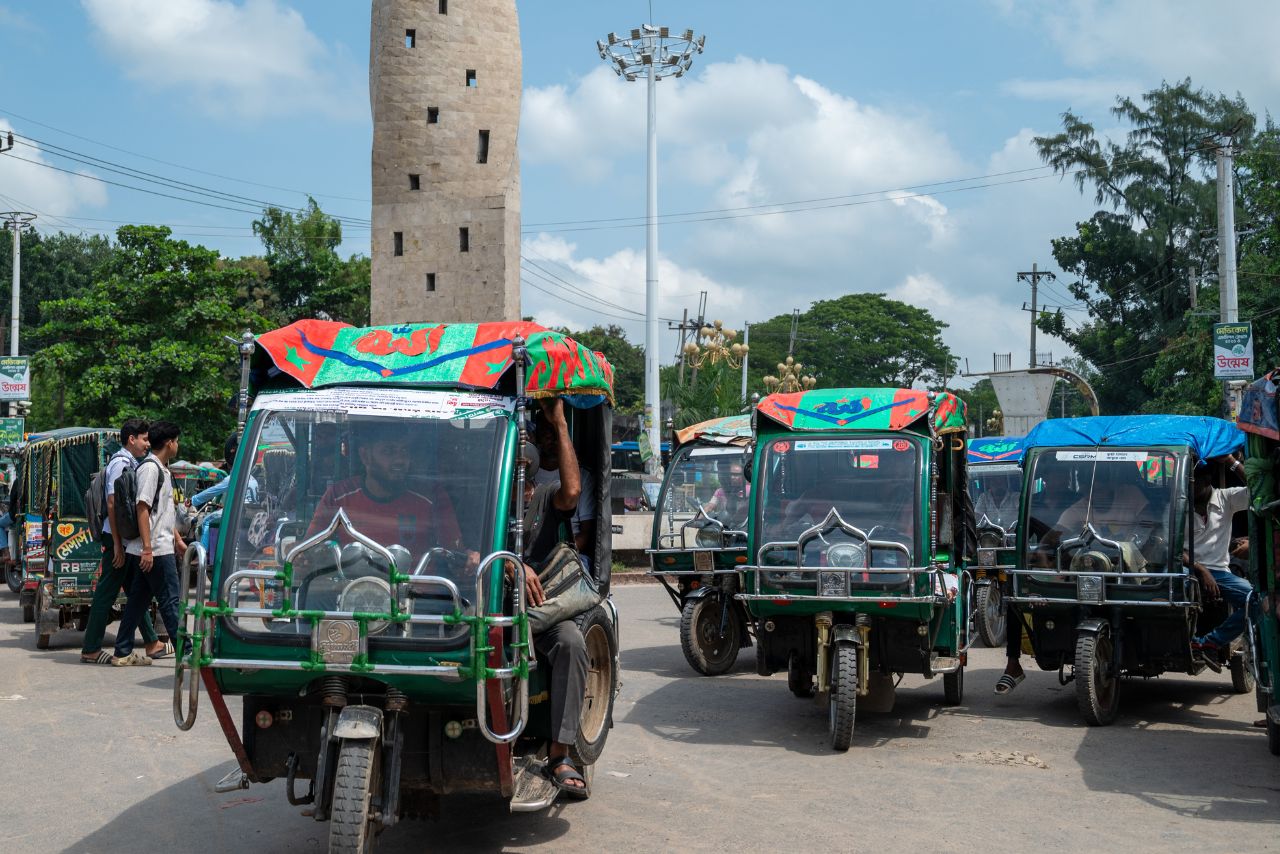
According to city corporation records, 5,819 battery-run rickshaws and 8,970 auto-rickshaws are registered in the city, putting the official total at 14,789 vehicles.

But the number of three-wheelers seen on the streets appears to be much higher, according to local residents and transport workers.
This has raised questions about how so many vehicles are operating despite restrictions on new registrations.
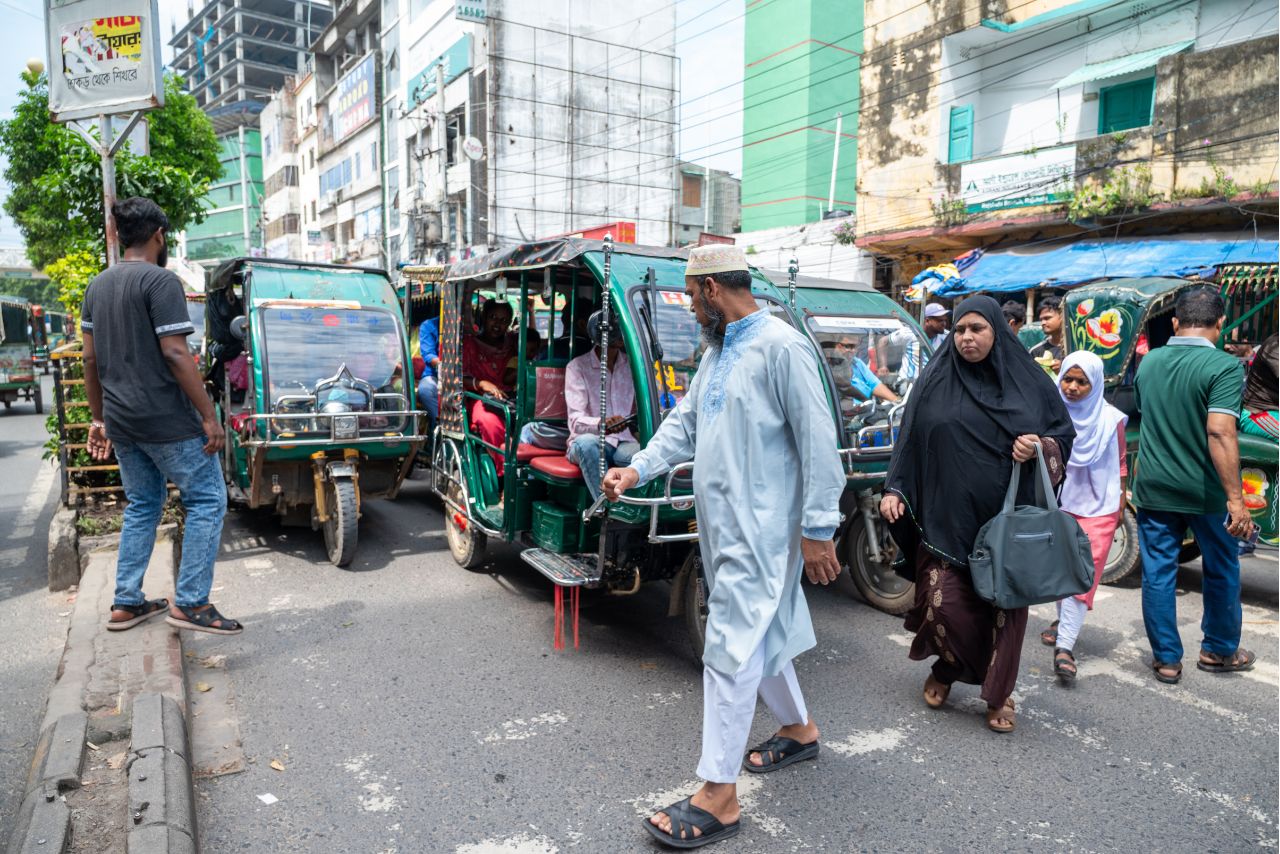
The problem is most noticeable on busy roads and around markets and intersections.


Auto-rickshaws often stop to pick up passengers or wait for fares, leaving less space for other vehicles and slowing traffic.
During peak hours, the sheer volume of three-wheelers can bring movement to a crawl, with the resulting congestion affecting commuters, pedestrians, and businesses alike.
Residents say the issue is not about removing auto-rickshaws from the city.
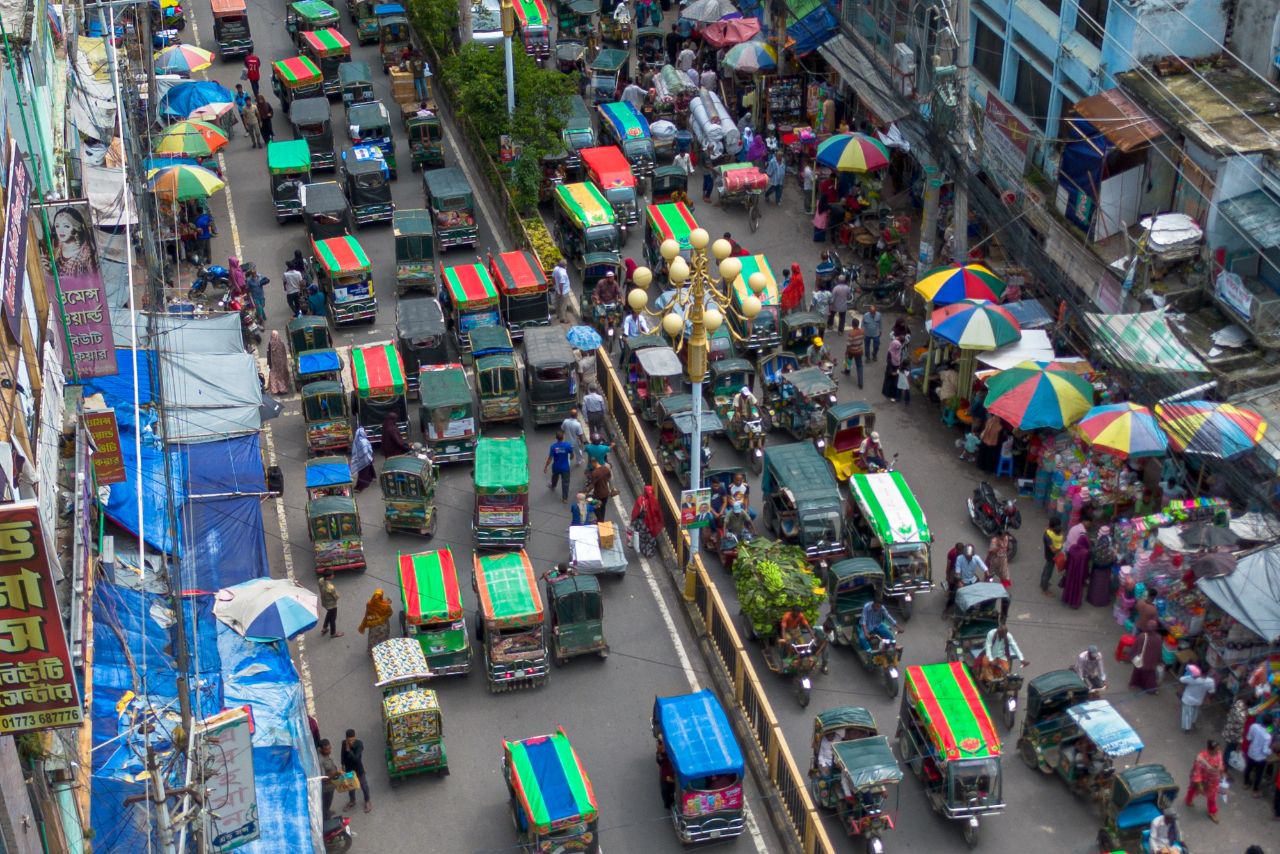
These vehicles are an important part of everyday transport for many people, offering an affordable alternative to buses and private cars.
Their concern is that vehicles should be properly registered and monitored so that the roads do not become even more crowded.
They are calling for regular checks of registration papers and number plates, along with stronger monitoring of vehicles operating without permission.
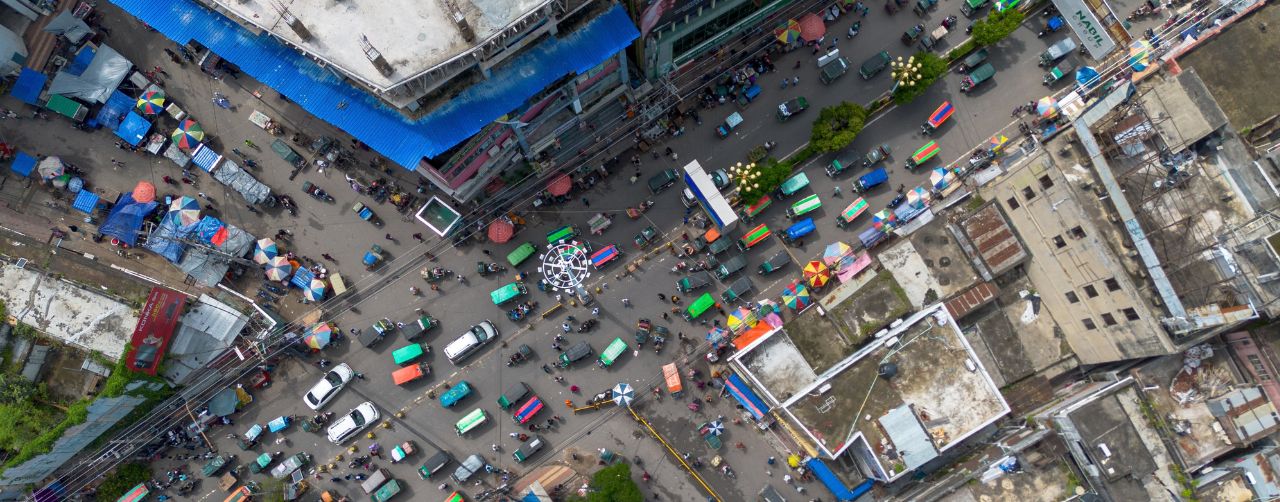
Without such measures, they fear the city’s traffic system will come under even greater strain.
For Rajshahi, the challenge is to keep this affordable form of transport available while making sure the number of vehicles on the roads is properly managed.
The balance is delicate, but without it, the city risks trading one problem for another: fewer options for commuters, or roads that cannot accommodate the vehicles already on them.