The July Museum will remain an inspiration for the nation’s future struggles against dictatorship, Speaker of the National Assembly Hafiz Uddin Ahmad has said.
“As long as this museum survives, the nation’s struggle against dictatorship will remain documented,” he told a press briefing after visiting the July Mass Uprising Memorial Museum at noon on Tuesday.
The speaker said the account of 16 years of “oppression, anarchy, and massacres” under the “dictatorial Sheikh Hasina” through fake and rigged elections has been skillfully presented at the museum.
“The sacrifices of Abu Sayeed, Mugdho, and Wasim in the July uprising will provide inspiration for the country and the nation,” he added.

The speaker accused former prime minister Sheikh Hasina of being “stained in history” for offering false condolences to families of those who were disappeared during the fascist government’s time.
He said that from 1971 to 2024, the sacrifices of ordinary people in every pro-democracy and anti-dictatorship movement have been unique in establishing democracy.

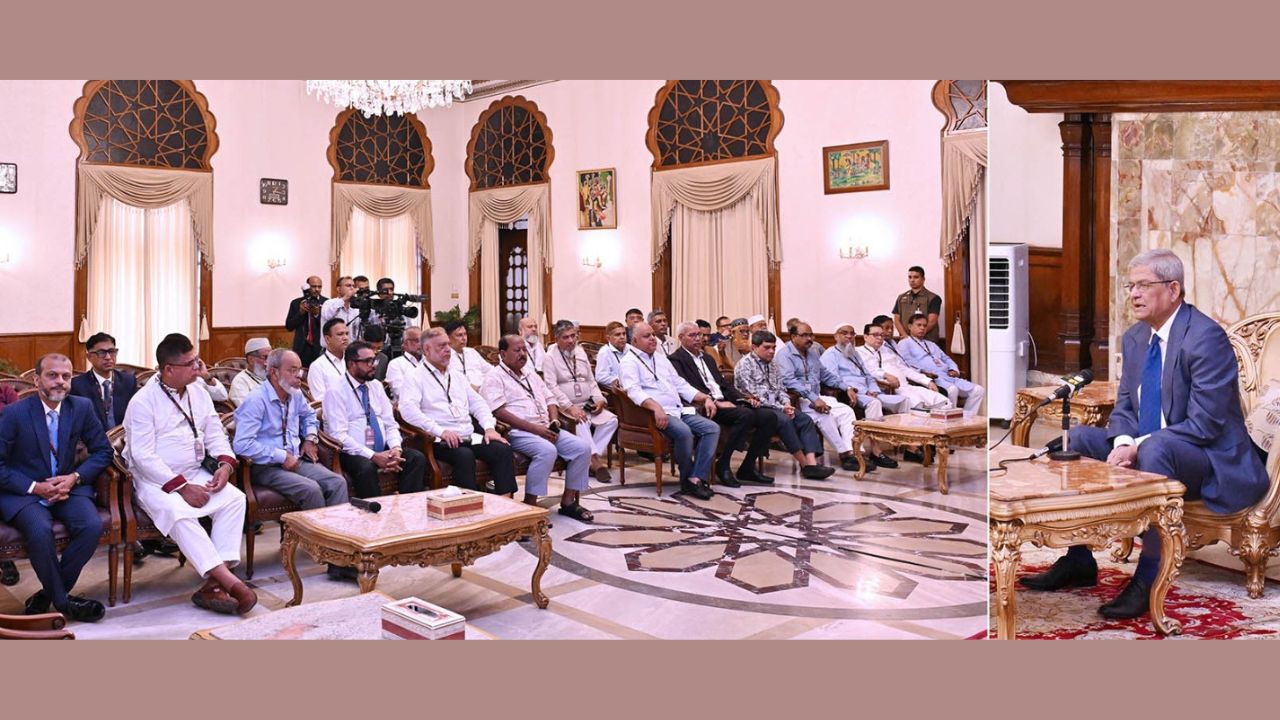
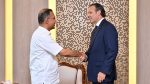

“The sacrifice of the people in the July Uprising will remain an example for the world. The July fighters have sacrificed their present for the nation’s future,” Hafiz Uddin Ahmad said.
Deputy Speaker Kayser Kamal said the July Mass Uprising Museum is a reflection of Bangladesh’s liberation from fascism.
“In this uprising, the brave sons of Bengal sacrificed themselves to re-establish democracy. This museum will remain a unique monument to honour their memories,” he said.
During their visit, the speaker and deputy speaker viewed still images of historically important events from 1971 to 1991 on the Long Walk to Democracy Road, murals and graffiti including a poem by one of the martyrs of the July Uprising, Anas, and documents related to the movement.
They also visited the symbolic memorial of the 2009 Pilkhana Massacre, preserved memories of killings at Shapla Chattar, a memory corner for martyred Abrar Fahad, and a silent tribute featuring suspended faces of July martyrs.
The officials became emotional upon seeing a miniature model of the parliament building made by Shaheed Zahiduzzaman Tanvin, the blood-stained clothes of Saudi expatriate martyr Abu Ishaq, and belongings of martyrs killed in the uprising.
Cultural Minister Nitai Roy Chowdhury said the July Museum will be opened to the public at the end of July or the beginning of August this year.
The director general of the July Museum, curator team members, and senior officials from the relevant ministry and the National Assembly Secretariat were also present during the visit.