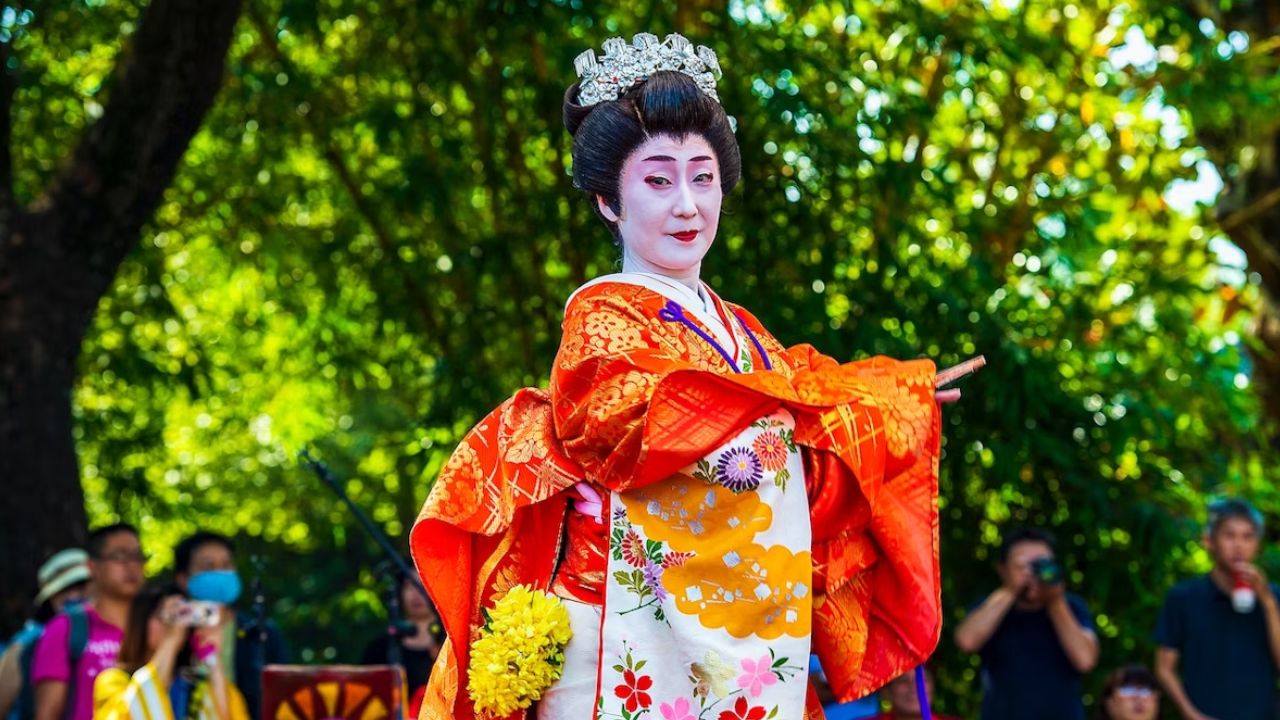



In Japan, the passage of time is not merely a ticking clock; it is a heartbeat felt through the return of matsuri. Across the archipelago, these traditional festivals act as the country’s seasonal breath, weaving ancient rituals, music, and vibrant processions into the fabric of modern life.
For traveller, these celebrations are more than just a spectacle; they are a living tapestry where every yatai (food stall) and yukata (garment) serves as a thread connecting the present to a carefully preserved past.
A canvas of blossoms: The Spring awakening
As winter’s grip loosens, Japan awakens like a painting rendered in shades of pink and white. In Ibaraki, Mito Plum Blossom Festival acts as spring’s first herald, where 3,000 trees burst into a “delicate sea of colour”. This floral tide soon gives way to hanami, the cherished tradition of gathering beneath the cherry blossoms.
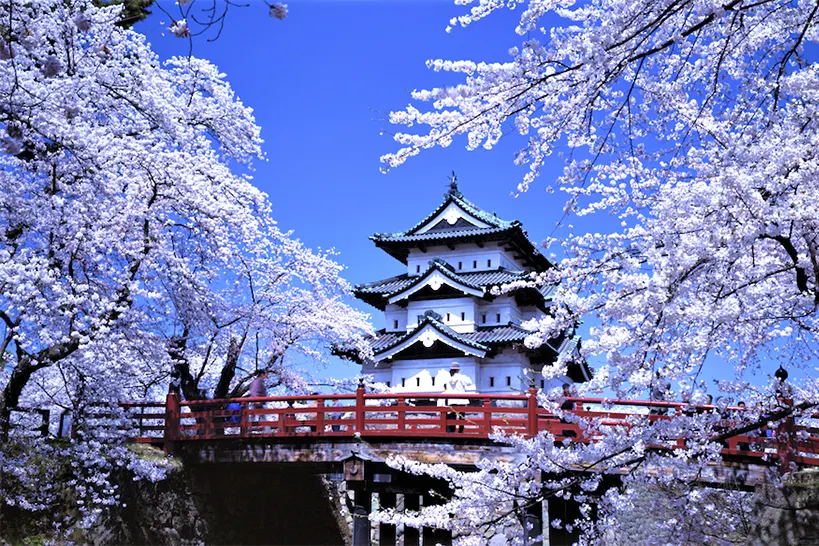
In Aomori, Hirosaki Cherry Blossom Festival creates a dreamlike world where 2,600 trees, some standing as ancient guardians for over 300 years, encircle Hirosaki Castle.
Further south in Fukuoka, Hakata Dontaku Matsuri transforms the city into a rolling garden with its hana Jidosha, enormous vehicles draped in fresh flowers and accompanied by 30,000 dancers.

Tokyo’s Kanda Matsuri offers a different kind of scenery, acting as a “moving museum” of Edo prosperity where golden mikoshi (portable shrines) drift through a landscape of modern glass and steel.
Meanwhile, at Lake Suwa, Onbashira Matsuri sees teams of men riding 16-metre logs down mountainsides like daring sailors on timber waves, all to install “honoured pillars” at the Suwa Taisha Shrine.




Fire flowers and glowing forests: The Summer pulse
When summer arrives, Japan’s cities turn into open-air stages where water and light perform in harmony. Kyoto’s Gion Matsuri is the season’s grand anchor, featuring towering floats draped in silks and tapestries that have earned their place as UNESCO Intangible Cultural Heritage.
In Osaka, Tenjin Matsuri takes the celebration to the water, where deities are carried on decorated boats amidst the ethereal beauty of Noh theatre and Bunraku puppetry.
Above them, the sky blooms with “fire flowers”, the poetic name for the dazzling patterns of Sumida River Fireworks Festival in Tokyo.
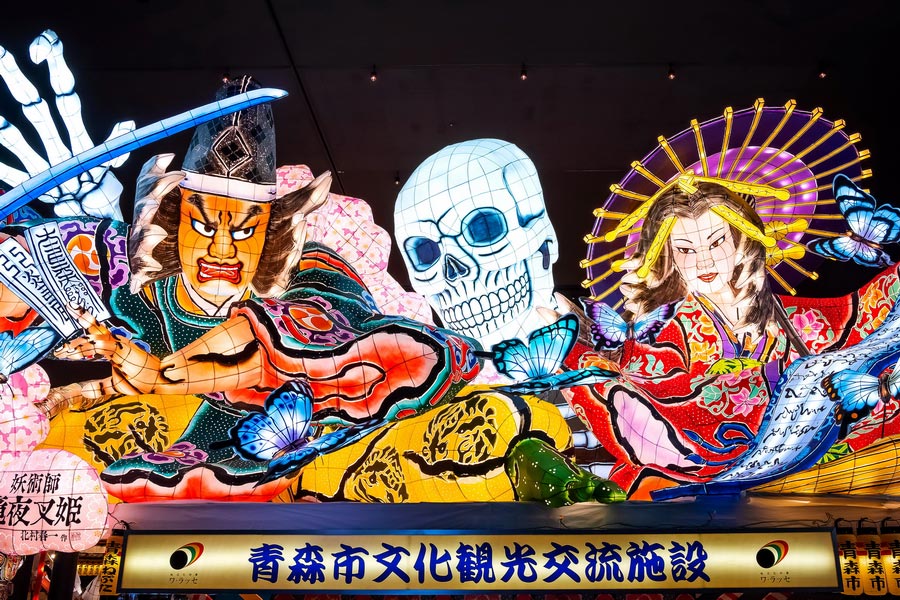
In the north, Aomori Nebuta Festival illuminates the night with colossal lantern-warriors that eventually sail across the bay. Nearby, Akita’s Kanto Matsuri creates the illusion of a “glowing forest” as participants balance 50-kilogram bamboo poles on their foreheads, swaying like luminous trees to the sound of flutes.
The season finds its rhythm in Tokushima with the Awa Odori, the “fool’s dance,” where thousands of dancers have moved in synchronised joy for over four centuries.
Golden harvests and ice palaces: The year’s finale
As the landscape turns to gold and crimson, Karatsu Kunchi Festival in Saga celebrates the harvest with magnificent hikiyama floats shaped like lions and dragons, shimmering in gold and silver.
On the outskirts of Tokyo, Chichibu Yomatsuri punctuates the winter chill with the thunderous heartbeat of taiko drums and rare cold-weather fireworks.
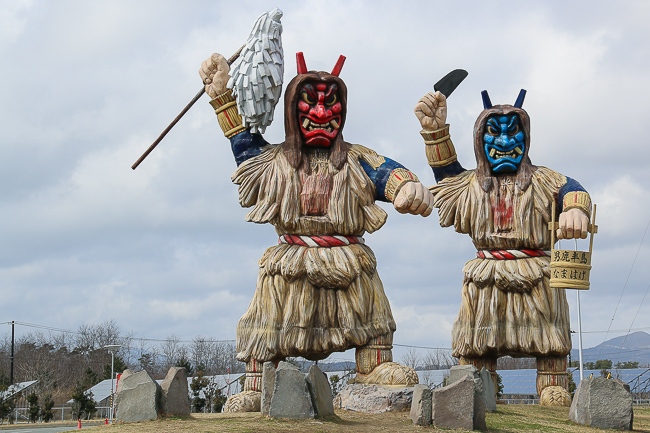
The year’s end brings Oga no Namahage in Akita, where benevolent spirits visit homes to usher in good fortune. Finally, the cycle reaches a grand, frozen finale with Sapporo Snow Festival.
Here, Hokkaido is transformed into a “glittering world” of ice, where snow sculptures as tall as buildings recreate international landmarks under the winter sun.
Whether competing for a sacred stick in Okayama’s Hadaka Matsuri or watching a fire festival in a quiet village, these matsuri remain the enduring pulse of a nation where tradition and community continue to flourish, season after season.