
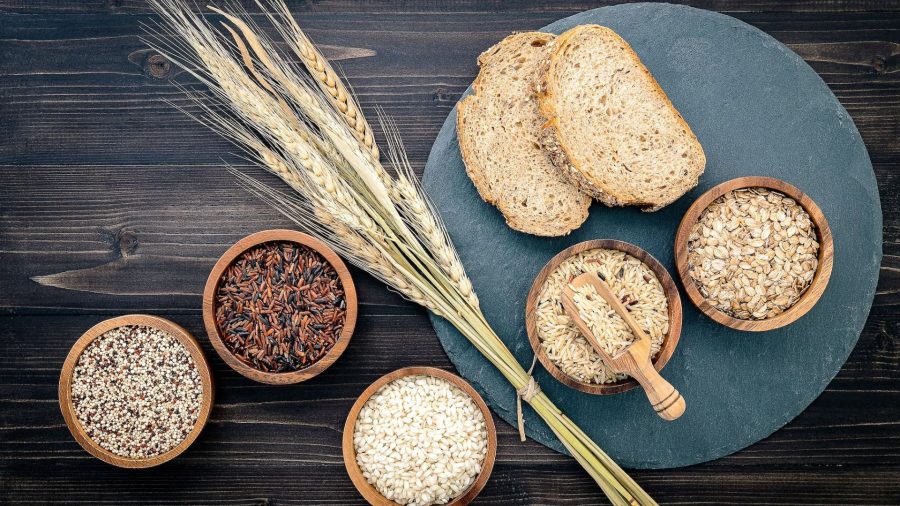



For generations, grains have been a familiar part of the daily diet, especially in Bangladesh, where rice and wheat-based foods are staples. But as eating habits become increasingly centred around refined flour, polished rice and highly processed foods, nutrition experts are paying greater attention to an older, less processed option, whole grains.
Unlike refined grains, whole grains retain all three parts of the grain kernel: the bran, germ and endosperm. The bran contains much of the grain’s fibre, while the germ provides healthy fats, vitamins, minerals and plant compounds. The endosperm supplies carbohydrates and protein. During refining, the bran and germ are removed, taking away much of the grain’s naturally occurring fibre and nutrients.
This difference may look small, but it can have important effects on the body.
“Whole grains are beneficial because they provide fibre along with vitamins, minerals and other plant compounds. Their higher fibre content also makes digestion slower compared with many refined-grain foods,” said Dr Shamima Ahmed, MBBS, MSc (Nutrition), Nutritionist.
Carbohydrates are often blamed when people discuss blood sugar and weight, but the type of carbohydrate matters. Whole grains are generally digested more slowly because their fibre and structure remain intact. This can result in a more gradual rise in blood glucose compared with many refined-grain foods.
For Bangladeshis, this distinction is particularly relevant because rice remains a central part of everyday meals. But choosing whole grains does not mean abandoning rice altogether.

According to Dr Ahmed, people can gradually replace some polished rice or refined-grain foods with less-refined alternatives such as brown rice, rather than making an extreme dietary change. The goal, she said, should be balance and better overall food choices rather than eliminating familiar staples.
One of the most recognised benefits of whole grains is their fibre content. Fibre adds bulk to stool and helps support regular bowel movements, making adequate fibre intake important for digestive health and preventing constipation.
Fibre also interacts with the gut microbiome, where certain types are fermented by beneficial bacteria. However, people who are accustomed to eating very little fibre may experience temporary bloating or discomfort if they suddenly consume large quantities of whole grains.




Dr Ahmed recommends increasing fibre gradually and maintaining adequate fluid intake so that the digestive system has time to adjust.
“Fibre is one of the key reasons I encourage people to include whole grains in their meals,” she said. “But if someone is not used to eating much fibre, the amount should be increased gradually so the digestive system can adjust.”
Whole grains may also contribute to cardiovascular health. Research has associated higher whole-grain consumption with a lower risk of cardiovascular disease, while replacing refined grains with whole grains may improve several markers linked to heart health.
The benefit does not come from a single nutrient. Instead, it is the combination of fibre, minerals and naturally occurring plant compounds that makes whole grains valuable.
However, Dr Ahmed cautions against treating whole grains as a cure or guarantee against heart disease. Their benefits are best understood as part of an overall healthy eating pattern.
She also emphasises that simply adding whole grains to an already excessive diet is not enough. Greater benefits can come when whole grains replace refined foods, while meals continue to include vegetables, pulses, fish, eggs and other nutritious foods.
Blood sugar is another reason whole grains have become an important part of conversations about healthy eating. Their fibre and intact structure can slow digestion and glucose absorption, resulting in a more gradual blood-sugar response.
Studies have also found an association between higher whole-grain intake and a lower risk of developing type 2 diabetes. This makes the choice particularly relevant in diets where polished rice, white bread and refined flour are consumed frequently.
Still, whole grains remain sources of carbohydrates, meaning portion size matters. Pairing them with protein, vegetables and other nutrient-rich foods can create a more balanced meal rather than relying on grains alone.
Whole grains do not necessarily mean expensive imported health foods. Brown rice, oats, whole-wheat products, barley and millet can all be incorporated into a varied diet.
Consumers should also look beyond attractive packaging. A product labelled “whole grain” may still contain significant amounts of added sugar, sodium or other ingredients. Reading the ingredient list and nutrition information can help consumers make more informed choices.
For families looking for a simple starting point, Dr Ahmed suggests making small substitutions rather than completely changing their diets. Oats can be introduced at breakfast, whole-wheat flour can replace some refined flour, and part of the usual polished rice can be substituted with brown rice or another whole grain. “The goal should be a sustainable eating pattern, not a sudden and restrictive diet,” she said.
Ultimately, whole grains are not a miracle food. Their value lies in what they offer as part of a balanced diet: more fibre, naturally occurring nutrients and less processing.
For a population whose meals are deeply connected to grains, making smarter choices about the type of grain on the plate may be one of the simplest ways to improve everyday nutrition without abandoning familiar foods.