
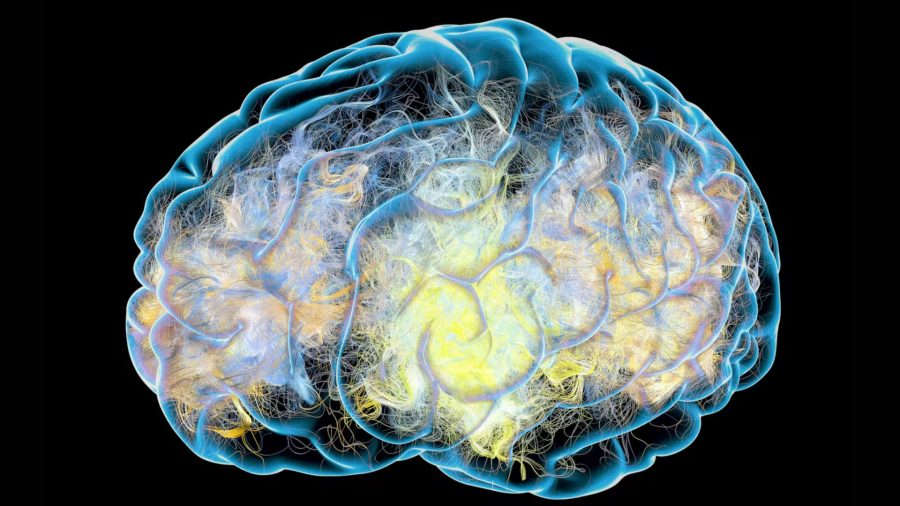



The human mind craves the comforting illusion of a fixed moral anchor, an immutable soul that governs who we are and what we do. Yet modern neuroscience reveals a darker reality of a person’s conscience, where identity and empathy are completely at the mercy of three pounds of fragile, wet brain tissue. When this delicate neural architecture suffers a catastrophic failure, a person can lose control and morph into something else overnight.
This transformation can be termed a “biological hijack”, a profound psychological coup where severe structural or chemical disruptions systematically dismantle the brain’s executive networks and strip away the fundamental tenets of a person’s capacity for empathy, shatter impulse control, and override deeply ingrained moral filters.
The resulting neurological crisis causes extreme depersonalisation, severe emotional volatility, or acute psychosis, effectively evicting a person’s core baseline identity and replacing it with a pathologically unrecognisable stranger in its place.

Physical erosion and chemical storms are often cited as the causes of this internal takeover. Structural trauma such as repetitive concussions, tumours, and neurodegenerative diseases physically hollow out the frontal lobe. Severe autoimmune responses, drug dependencies, or acute postpartum hormone drops can trigger neurochemical chaos that can flood the brain with command hallucinations and detach it from reality




This harrowing manifestation of this neurological hijacking is laid bare in real-world tragedies. In 2007, professional wrestler Chris Benoit, who was remembered by peers as a quiet and protective father, murdered his wife and seven-year-old son before taking his own life. Post-mortem brain analyses revealed he was battling advanced Chronic Traumatic Encephalopathy (CTE) caused by repetitive, unprotected head trauma. The scans of his brain resembled those of an 85-year-old Alzheimer’s patient, and the condition had completely eroded the prefrontal cortex networks required to govern behaviour or weigh consequences.
A similar case occurred recently involving a dedicated labour and delivery nurse named Lindsay Clancey, who faced a devastating internal takeover. Under the grip of severe postpartum psychosis, she strangled her three children. The condition led to a terrifying neurochemical storm that flooded her mind with severe delusions, which stripped away her connection to reality. The tragedy has led to a high-profile court case, which has divided the public, with many condemning her as a killer while others sympathising with her.
The tragedies stand as harrowing monuments to the absolute fragility of human nature, serving as visceral warnings that our treasured moral codes are merely biological privileges. By stripping away the comfort of a fixed moral anchor, this biological reality forces a reassessment of how we judge human behaviour, how every aspect of conscience is dependent on the functionality of neural circuitry.
When that mechanism fails, traditional definitions of free will and personal malice become entirely obsolete. Ultimately, it reminds us that our baseline humanity is never permanently guaranteed, and we are just one chemical storm or physical trauma away from losing the very essence of who we are.