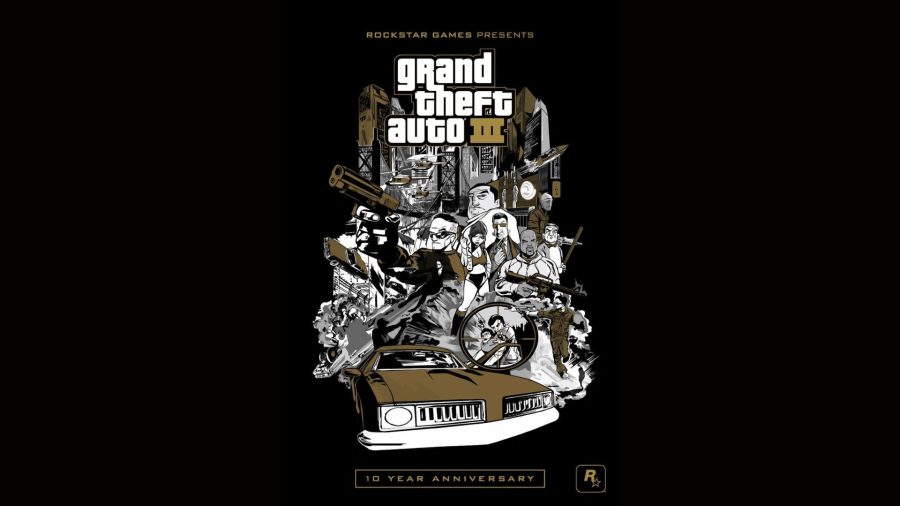

When Grand Theft Auto III arrived in October 2001, video games changed forever. Liberty City was grimy, dangerous and strangely beautiful – a sprawling metropolis of concrete, neon and crime that seemed to exist whether the player was looking at it or not. Rockstar did not simply give players a city to explore. It gave them a world to disappear into.
More than two decades later, it is easy to forget how extraordinary that idea once was.
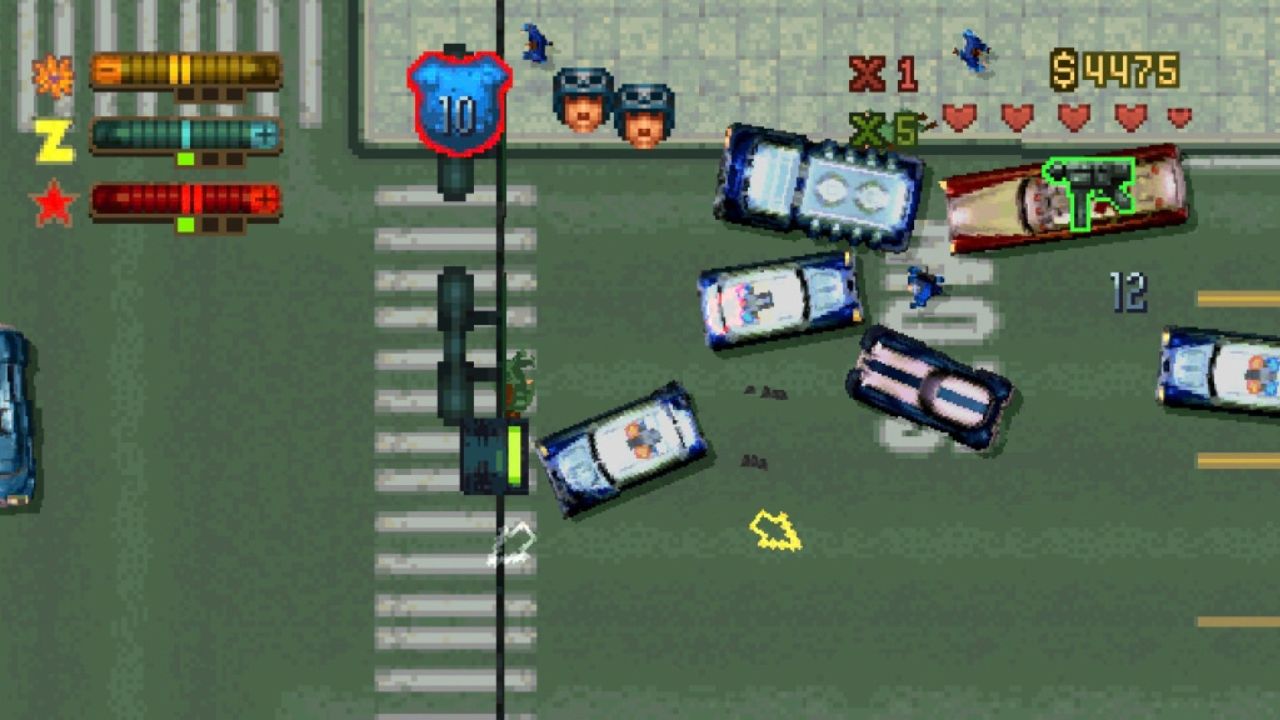
Before GTA III, the series had lived entirely in two dimensions. Then Rockstar took Grand Theft Auto and rebuilt it in 3D, placing the player behind the wheel and opening the gates to Liberty City.
There had been open-ended games before it, but few had combined the freedom, atmosphere and cinematic ambition on anything approaching this scale. Reviewers struggled to describe what they were experiencing, eventually reaching phrases such as “game changer” and “watershed moment”. GTA III was not merely another successful game. It felt like a glimpse of where the medium was heading.

And it was the city that made the difference.
Liberty City was divided into three distinct islands – Portland, Staunton Island and Shoreside Vale, each with its own architecture, atmosphere and social character.
Pedestrians wandered the streets. Cars formed traffic jams. Police reacted to violence. Taxi drivers went about their business. Radios filled the silence with music, jokes and advertisements. Small details, almost invisible individually, combined to create something extraordinary: The illusion that Liberty City was alive.




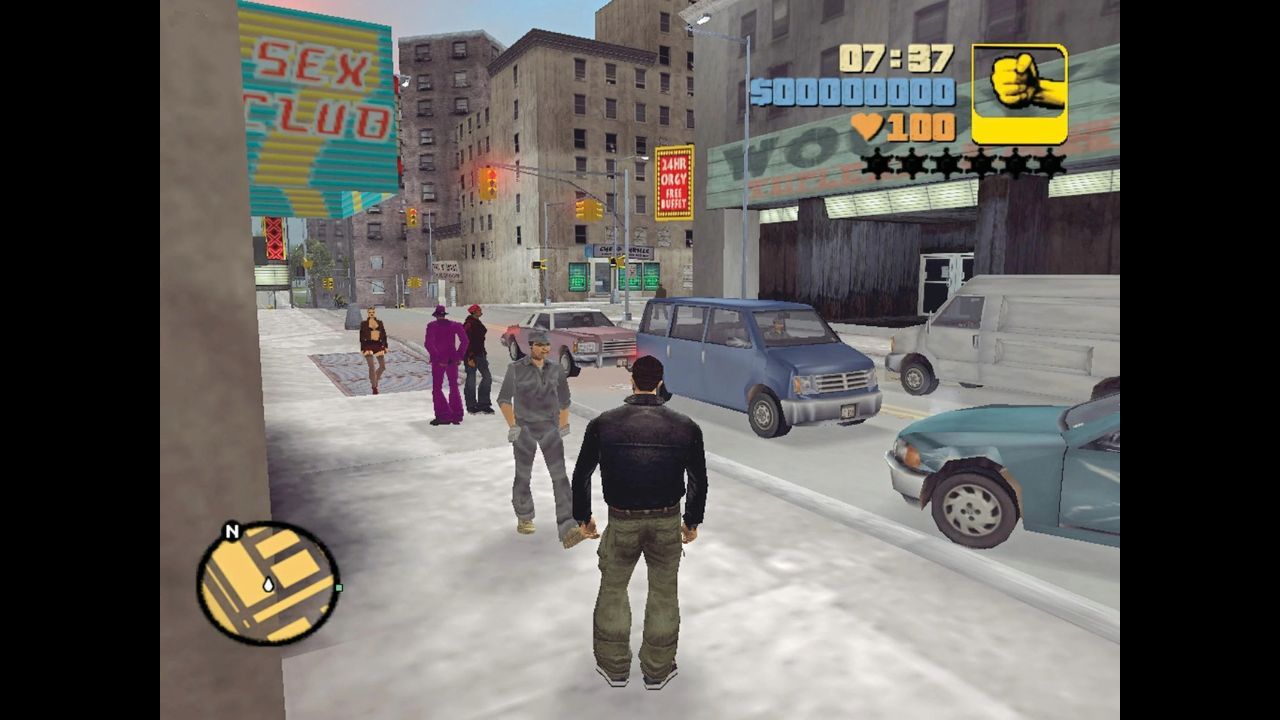
Rockstar’s achievement was not simply technical, it was systemic. Simple rules of cause and effect gave the city its pulse. Commit a crime and the police responded, start a fight and pedestrians ran. Push the world and the world pushed back.
For the player, that made Liberty City feel less like a collection of scripted events and more like a place that remembered what had just happened.
The project itself was a big gamble. Rockstar North was still a relatively small Scottish studio, while the idea of transforming a controversial 2D crime series into a fully 3D blockbuster was far from a guaranteed success. Even the game’s reception at E3 in 2001 was lukewarm, with many in the industry struggling to understand what Rockstar was attempting.
Behind the scenes, the stakes were enormous. Take-Two Interactive, the publisher, was in serious financial trouble, having been delisted from the stock market in 2001 and later being involved in an accounting scandal. GTA III was not simply another release. It was a massive bet.
Then the game launched. It sold at a pace that astonished everyone, at times moving around 50,000 copies a day. Demand continued through Christmas and into the following year. Take-Two, once struggling beneath the weight of its finances, had suddenly found itself sitting on one of gaming’s most valuable franchises.
Play GTA III today and its age becomes obvious. The gunplay is stiff; the missions can be unforgiving and the draw distance struggles to keep pace. By modern standards, its open world can feel surprisingly small.
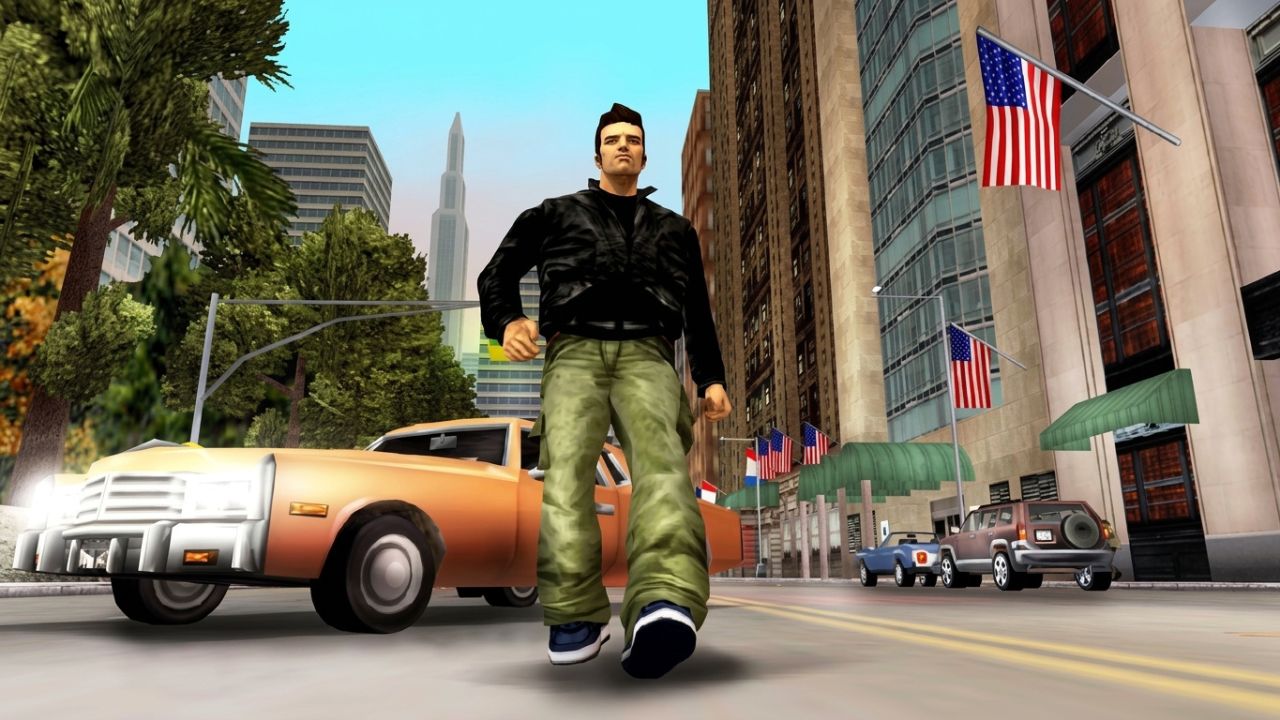
GTA III should not be remembered merely as an old game that once looked revolutionary. It should be remembered as the moment the possibilities of the open world suddenly became clear.
Liberty City was rough around the edges, sometimes crude and often chaotic. Yet there was magic in those streets. For millions of players, it was the first time a game world felt less like a backdrop and more like somewhere they had visited.
That is why GTA III will always matter. Before the sprawling worlds of Red Dead Redemption, The Elder Scrolls, The Witcher, Marvel’s Spider-Man and countless others, there was Liberty City, three islands, a stolen car, a radio station and the open road.