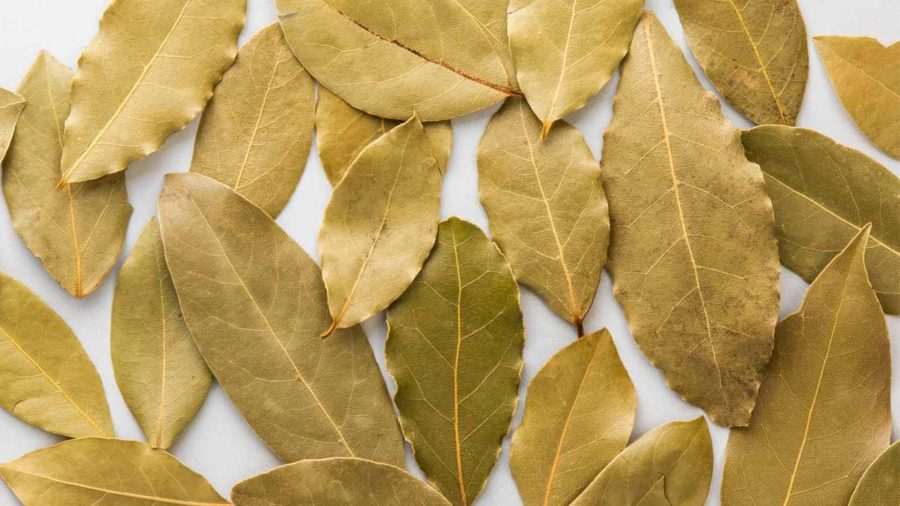



Long revered as the signature aromatic backbone of biryanis and rich curries, the humble bay leaf, locally known as Tejpata, is a staple in almost every kitchen. While it is widely used for flavour, many may not know its hidden potential as a powerful natural health benefit for overall wellness.
Originating from the ancient Mediterranean shrub bay laurel (Laurus nobilis), an aromatic evergreen tree prized for its glossy, flavoured foliage. Dating back a millennium, it was known as a symbol of high status, medicine, and cuisine. In ancient Greece and Rome, the bay laurel was considered sacred, and its leaves were woven into wreaths to crown victorious athletes, warriors, and emperors. Beyond its symbolic power, ancient physicians like Hippocrates valued the leaf for its diverse medicinal properties, using it to treat various ailments and ward off plagues.
As the Roman Empire expanded, the bay leaf transitioned seamlessly into a culinary staple, becoming foundational to European stews, broths, and marinades. The expansion of trade routes eventually spread the leaf globally, and over time it became one of the world’s most savoury aromatics.

In terms of natural healing and wellness, bay leaf functions as a dense source of immune-supporting vitamins A, B6, AND C, alongside vital minerals like iron, calcium, and manganese. Its rich concentrations of secondary metabolites, including plant-based flavonoids, tannins, and terpenoids, act as robust antioxidants that actively combat cellular oxidative stress and chronic inflammation.




Bay leaf tea helps stimulate the secretion of bile and gastric juices, which naturally enhances the breakdown of foods to relieve bloating, gas, and digestive discomfort. Its potent volatile essential oils, particularly cineole and eugenol, deliver significant antimicrobial and anti-inflammatory properties, making the herb an effective natural expectorant when inhaled to soothe irritated mucous membranes, clear sinus pressure, and ease respiratory congestion.
Furthermore, modern research indicates that the specific polyphenols within the leaf may improve insulin sensitivity, rendering bay leaf a beneficial dietary asset for natural blood glucose management and overall metabolic health. However, moderation is essential, as excessive consumption can cause gastrointestinal distress, and the whole rigid leaves should never be swallowed since they present a serious choking and internal tearing hazard.
Bay leaf continues to hold a valued place in natural wellness, offering a simple connection between traditional remedies and mindful living. Used thoughtfully, it can complement everyday habits that nurture the body and support a balanced, healthier lifestyle.