


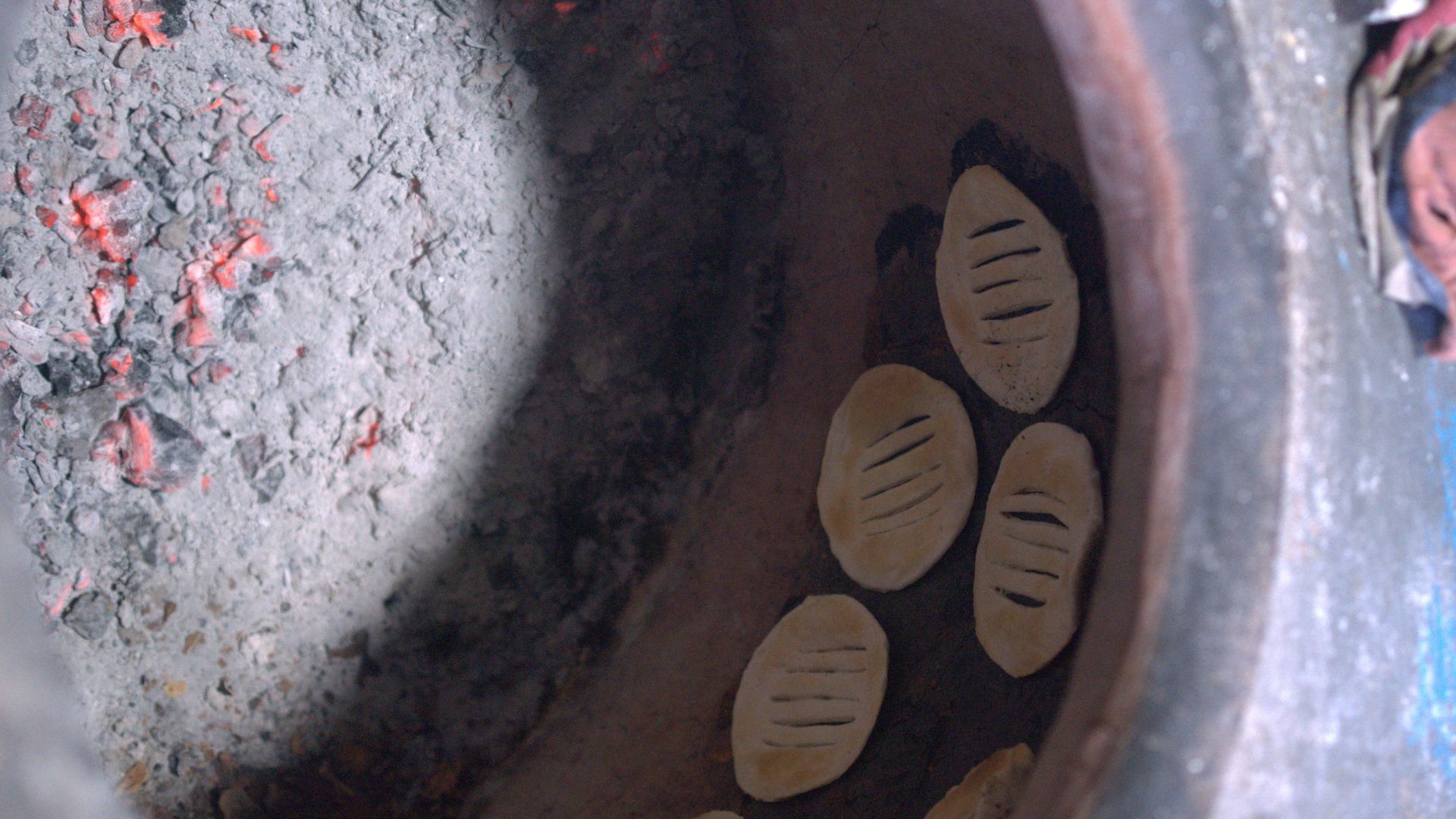
Before the city woke to the roar of buses, the impatient horns of rickshaws and the clatter of metal shutters being pulled open, another sound once announced the beginning of morning in Dhaka: the crackle of fire inside a clay oven.
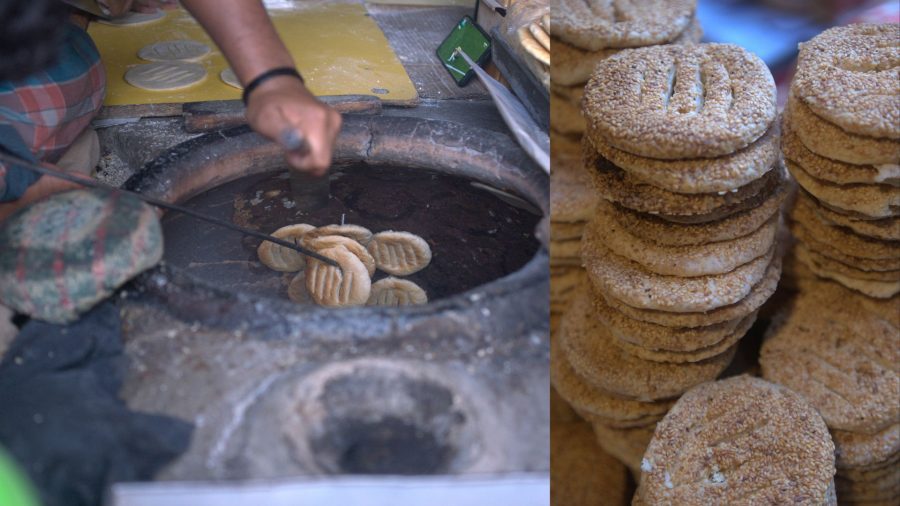
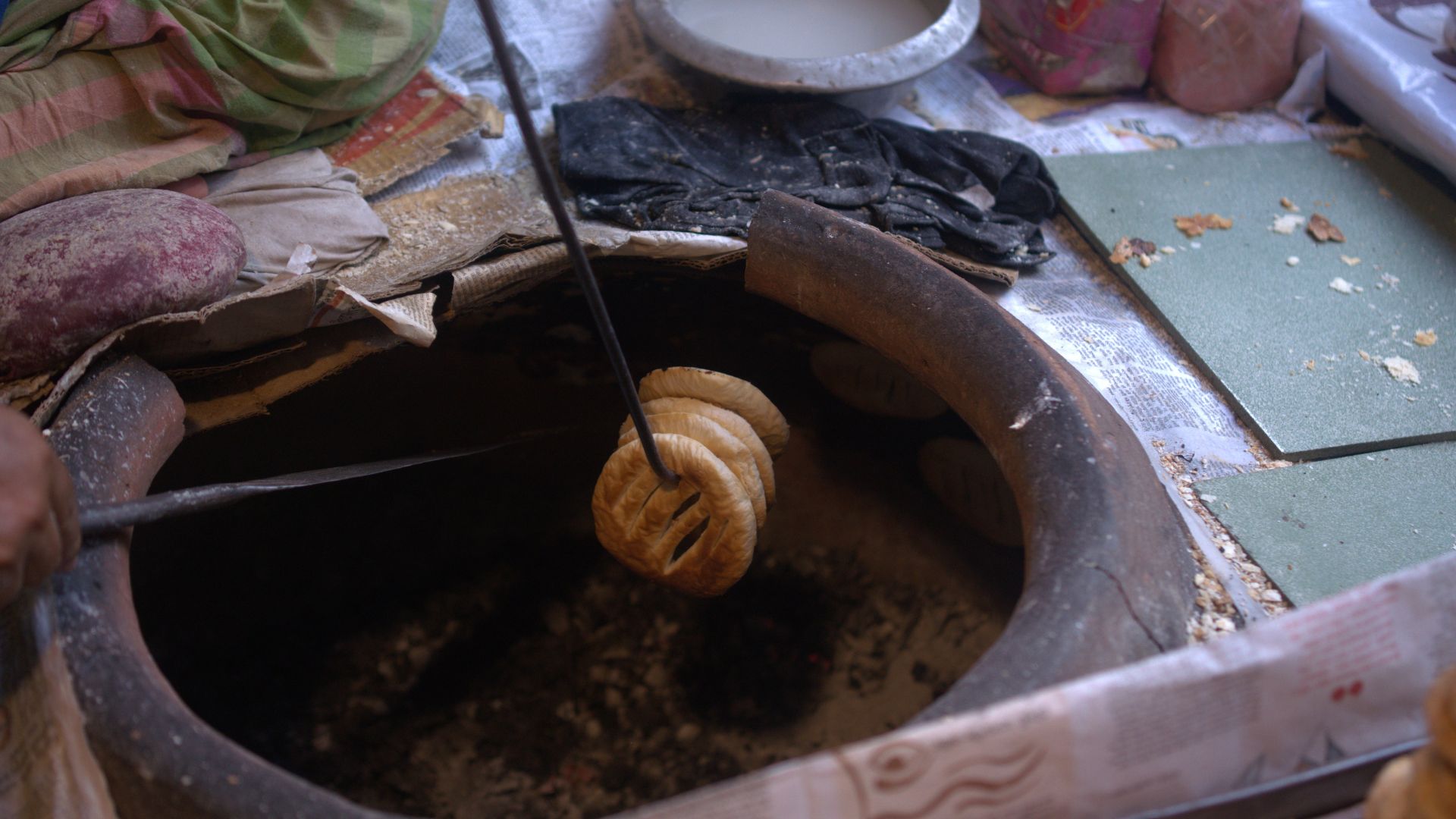
In the narrow lanes of Old Dhaka, bakers would light their tandoors before sunrise. Flames would rise, charcoal would glow, and trays of bakarkhani would begin to emerge. One after another, they carry the smell of flour, ghee and smoke into the waking streets. For generations, this crisp, layered bread has been part of old Dhaka’s morning ritual.
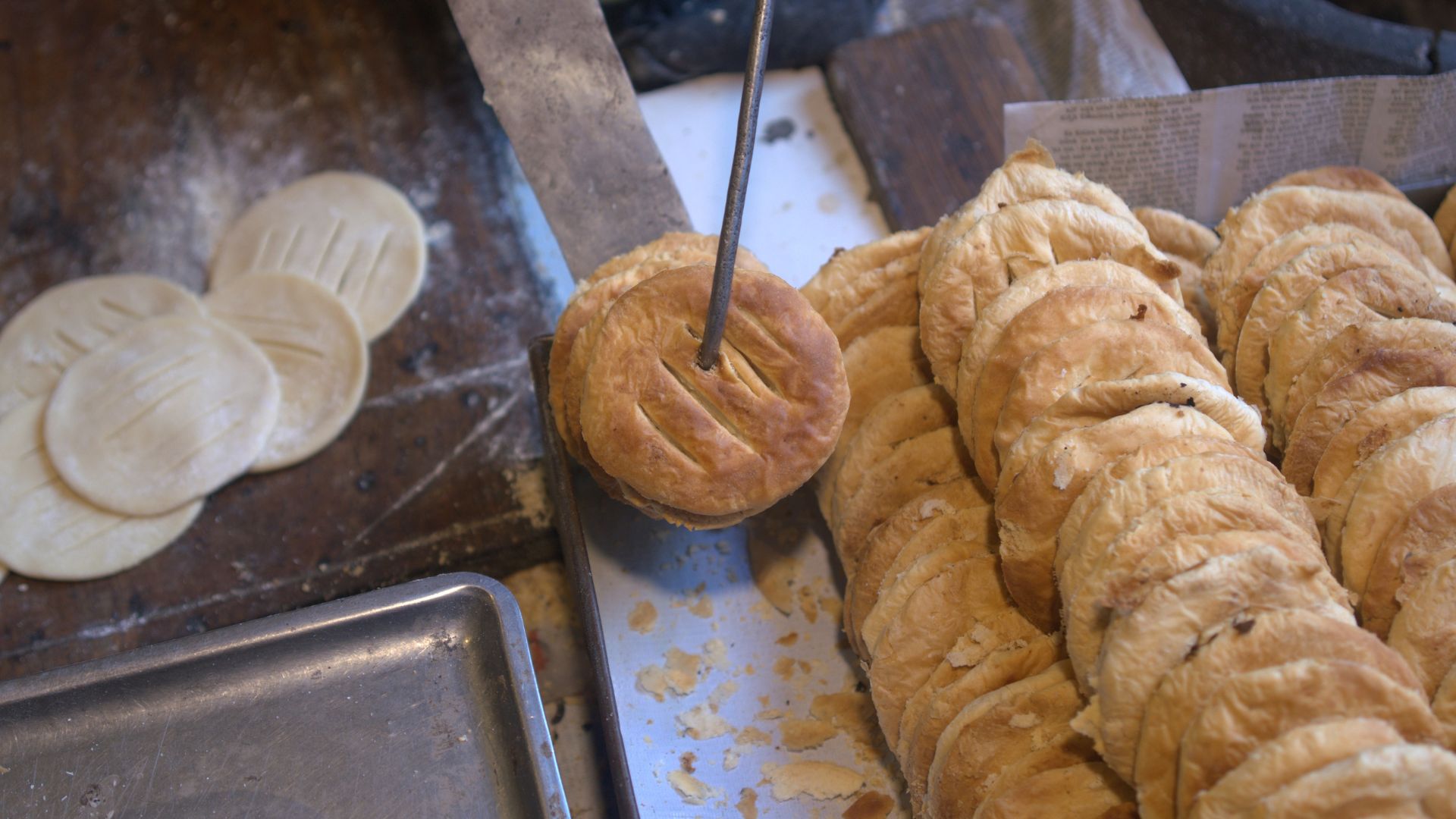
It is easy to mistake bakarkhani for something simple. A round piece of bread, browned at the edges, firm to the bite and sometimes almost biscuit-like in texture. But its story is anything but simple. It is a story of courts and kitchens, migration and trade, old neighbourhoods and changing tastes.
Bakarkhani is generally associated with the Mughal-era culinary traditions of the subcontinent. Historical accounts place it within the food culture that developed around the courts and urban centres of Mughal Bengal. Its precise birthplace remains uncertain. Some accounts trace its broader roots to Persianate or Afghan food traditions, while others connect its development specifically with Bengal and Murshidabad.
Dhaka, however, gave it a home. When Dhaka grew as an important Mughal city, its kitchens became meeting points for culinary traditions arriving from different parts of the subcontinent. Courtly households, soldiers, merchants and artisans brought ingredients, recipes and techniques with them. Bread made with refined flour, milk and generous amounts of ghee belonged to a food culture very different from the rice-centred everyday diet of Bengal.

Over time, bakarkhani became deeply associated with the old city. There is also a more romantic story.
According to a widely circulated legend, the bread was named after Agha Baker Khan and Khani Begum. The tale tells of Baker Khan, a powerful figure of the Nawabi period, and Khani Begum, whose tragic love story became woven into the folklore surrounding the bread. Different versions of the story vary considerably, and historians do not treat the romantic account as firmly established history. Yet the legend has endured, perhaps because it gives a humble piece of bread an unusually human story.
Bakarkhani could even enter ceremonial life. One historical account describes a variety known as bhigaroti, associated with marriage customs, in which the bread was sent from the bride’s family to the groom’s home with milk, almonds and raisins. In other words, bakarkhani was not merely breakfast. It could be part of hospitality, celebration and family tradition. And breakfast itself could be elaborate.




Old Dhaka’s bakarkhani was traditionally eaten with tea, sweets, korma and kebabs. Historical descriptions of Dhaka’s food culture show that breads were part of a much larger culinary world in which rich meat dishes, sweets and spiced foods shared the table.
But perhaps bakarkhani’s greatest achievement is that it survived the disappearance of much of that world.
The city around it changed. Mughal power faded. The Nawabs disappeared. Buildings were altered, demolished and replaced. New roads cut through old neighbourhoods. Bakeries modernised. Gas and electric ovens gradually began replacing the traditional clay tandoor in some establishments, making production faster and less dependent on fuel and labour. Yet traditional clay-oven bakarkhani is still being made.
The bread has travelled beyond its old home, too. What was once strongly identified with Old Dhaka can now be found across the capital and in other parts of Bangladesh. But its strongest cultural association remains with the old city, where generations of bakers have inherited the craft and where the smell of freshly baked bakarkhani still belongs to the landscape.
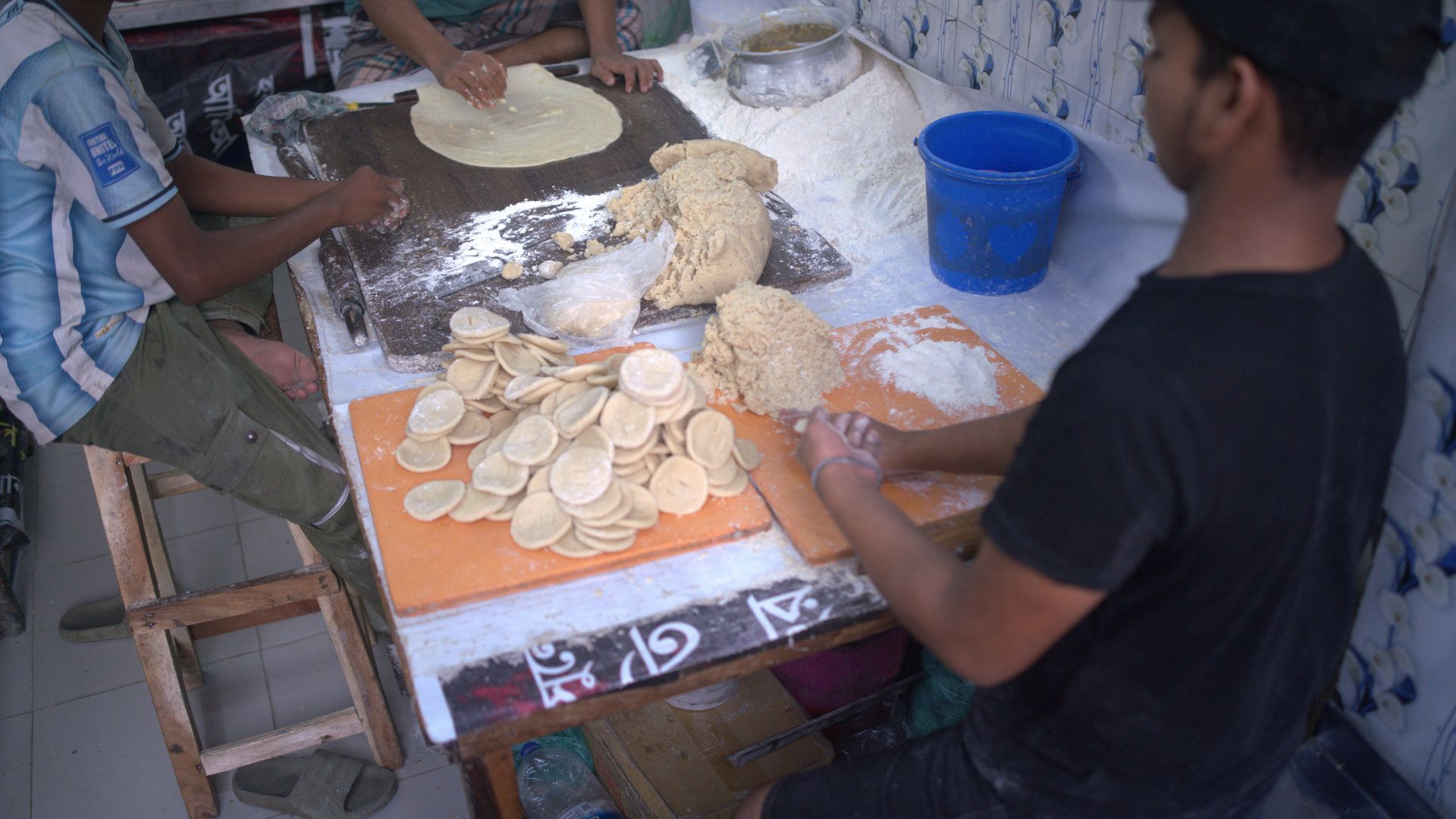
That continuity matters. A traditional baker does not simply make a piece of bread. He repeats a process learned from someone before him: how hard to work the dough, how to build the layers, how much fat to use, when the oven is ready and when the bread has reached that particular shade of brown.
There are no grand monuments to most of these people. Their history lives in their hands. Perhaps that is why bakarkhani feels so much bigger than its size.
It has witnessed a city being rebuilt around it. It has survived the arrival of packaged bread, fast food and modern bakeries. It has moved from clay ovens to modern kitchens without completely losing its old identity.
Somewhere in Old Dhaka, the morning still begins much as it did generations ago. A baker reaches into the heat. A freshly baked round of bakarkhani lands on the counter. Someone tears off a piece, pours tea into a small cup and takes the first bite.
For a moment, the traffic, the towers and the noise of the modern city disappear. What remains is flour, fire, ghee and memory.
Perhaps that is the secret of bakarkhani. It does not preserve the past in a museum. It preserves it in something people can still break by hand, dip into tea, and eat.
Dhaka has changed beyond recognition. But some mornings, the old city still tastes exactly like itself.