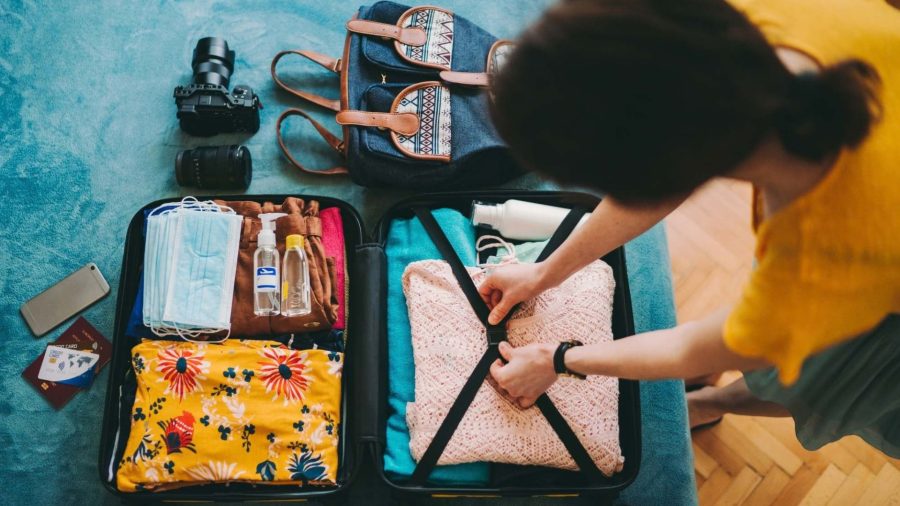



Your first day in a new country may begin with a beautiful view, a busy street and the excitement of exploring somewhere unfamiliar. It can also bring unexpected problems, from a bank card that suddenly stops working to a taxi driver demanding an inflated fare or a stranger offering help with strings attached.
Travelling abroad offers opportunities to experience new cultures and places, but unfamiliar surroundings can also expose travellers to scams, cybercrime and health risks. A little preparation can protect your money, personal information and well-being, allowing you to focus on the journey.
Plan your money
Before travelling, research local payment methods, exchange rates and living costs and set a realistic budget. Carry at least two payment options, such as cash and cards, and keep a backup card somewhere secure rather than carrying everything in one wallet.
Inform your bank about your travel plans to prevent legitimate transactions from being flagged. Carry some local currency, around $100 for immediate expenses after arrival. Check foreign transaction and ATM fees, and choose lower-cost options where possible.
When withdrawing cash, use ATMs inside banks rather than isolated machines on the street. To keep costs down, consider local eateries, student discounts, free walking tours and other low-cost options.

Keep your devices and data safe
Phones and laptops contain sensitive information, making digital security an important part of travel preparation. Use strong passwords, enable biometric locks and two-factor authentication, and keep devices and apps updated.
Public Wi-Fi at airports and cafés can expose personal information. If you must use it, connect through a VPN and avoid online banking or other sensitive transactions. Check that websites use HTTPS before entering personal details.
Turn off Bluetooth and Wi-Fi when they are not needed, remain alert to phishing messages and verify senders before clicking links. Back up important files to cloud storage or an external drive. A laptop lock or RFID-blocking wallet can provide additional protection.




Watch out for common scams
Even experienced travellers can fall victim to scams. Taxi drivers may claim a meter is broken and demand an inflated fare. Agree on a price beforehand or insist on using the meter.
Another common trick involves drivers claiming that a booked hotel is closed or overbooked and offering an alternative. Contact the hotel directly or insist on being taken to the original address.
At tourist attractions, strangers may offer supposedly free bracelets or herbs before demanding payment. Pickpockets may create distractions by spilling condiments or staging other incidents.
Be cautious of fake police officers demanding your wallet or passport. Ask for identification and, if necessary, offer to contact the local police yourself. Other risks include card skimming, fake Wi-Fi hotspots, staged damage claims involving rented vehicles, counterfeit transit tickets and fraudulent gemstone or carpet deals.
Keep a low profile
Pay attention to your surroundings and avoid displaying valuables. Keep expensive electronics out of sight, avoid flashy jewellery and dress appropriately for local customs. Keep bags within sight, wear backpacks in front on crowded public transport and loop bag straps around chair legs when sitting.
Use pre-booked rides instead of unverified street taxis, and avoid political rallies, protests and poorly lit areas at night.
Take health precautions seriously
Health preparation is just as important as personal security. Avoid bootleg alcohol, which can contain methanol and cause fatal poisoning, and keep drinks within sight to reduce the risk of spiking.
Carry prescription medicines in their original labelled containers with a doctor’s certificate where appropriate. Check whether your medicines are permitted at your destination. Consult a doctor well before departure about routine immunisations and any required travel vaccines.
Travel insurance should cover emergency medical treatment, evacuation and relevant pre-existing conditions. Use DEET or Picaridin-based insect repellent and choose accommodation with screened areas where possible. Seek urgent medical attention after animal bites or scratches, particularly from dogs, monkeys, bats or rodents, because of the risk of rabies.
Check documents and learn local customs
Visa requirements depend on your passport and destination. Check your passport’s validity requirements well before departure and keep copies of important documents separately from the originals, using secure cloud storage or another safe method.
Finally, learn about local customs and etiquette. Gestures that seem harmless at home may have different meanings elsewhere. A few basic phrases in the local language can also make everyday interactions easier.
A successful trip begins with preparation. Sensible precautions can reduce avoidable risks, help travellers handle unexpected problems and leave more room to enjoy the experience.