


When people think about oral hygiene, they usually think of brushing, flossing, and keeping teeth free from cavities. But the mouth is also home to billions of microorganisms, many of which are helpful. Maintaining a healthy balance of these bacteria can be just as important as removing harmful ones.
The mouth has its own microbiome, made up of bacteria and other microorganisms that live on the tongue, teeth, gums and inside the cheeks. While some bacteria can contribute to tooth decay and gum disease, others help maintain a balanced environment. Problems can arise when this balance is disturbed, and harmful bacteria begin to dominate.
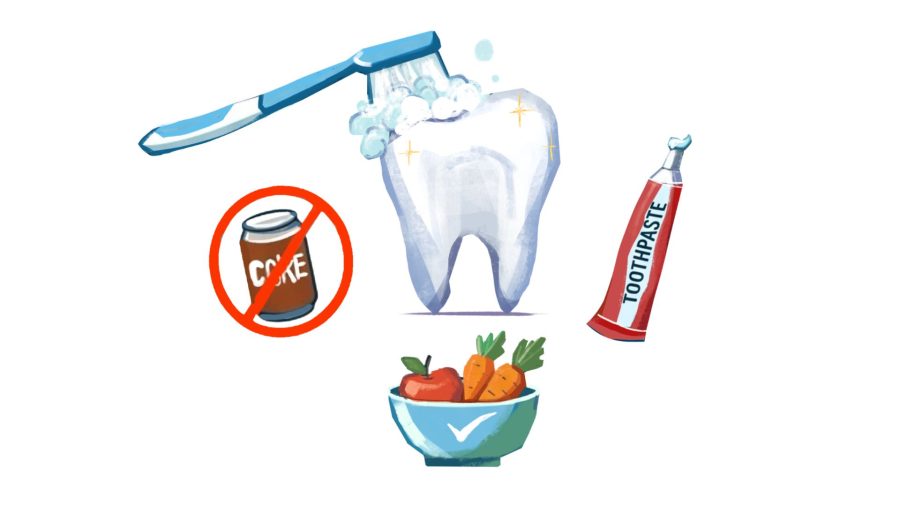
One of the simplest ways to protect this balance is to practise regular but gentle oral hygiene. Brushing twice a day with fluoride toothpaste helps remove plaque and food particles without the need for aggressive scrubbing. Brushing too hard can irritate the gums and damage the protective surface of the teeth.

Cleaning between the teeth is equally important. Floss or an appropriate interdental cleaner can remove food and plaque from areas that a toothbrush cannot easily reach. Cleaning the tongue gently can also help reduce excess buildup without trying to completely eliminate every microorganism.
What you eat can also influence the oral microbiome. Frequent consumption of sugary foods and drinks gives certain harmful bacteria an easy source of energy, encouraging acid production that can damage teeth. Instead, a balanced diet with vegetables, fruits, whole grains and other nutrient-rich foods can support overall oral health. Drinking water throughout the day is also useful because it helps wash away food particles while also supporting saliva production.



Saliva plays a natural protective role in the mouth. It helps neutralise acids, clear food particles, and protect teeth. Staying hydrated and avoiding constantly sipping sugary drinks can help maintain this natural defence.
Mouthwash can be useful in some situations, but more is not always better. Some strong or alcohol-containing products may cause dryness or irritation in certain people. If a mouthwash is needed, choosing one appropriate for your oral-health needs and following dental advice can be a better approach than trying to eliminate all bacteria.
Finally, regular dental check-ups can help identify problems before they become serious. Healthy oral hygiene is not about creating a completely bacteria-free mouth. Instead, it is about maintaining a healthy balance, protecting the gums and teeth, and giving beneficial microorganisms the environment they need to coexist with us.
Perhaps the biggest shift in thinking is to stop seeing oral hygiene as a battle against every microorganism in the mouth. The goal is not to wipe them out, but to keep the ecosystem in balance. Good oral care is less about making the mouth sterile and more about creating conditions where teeth, gums, saliva and the microbiome can work together.
A healthy mouth, after all, is not an empty one. It is a living ecosystem, and good hygiene means learning how to care for it rather than simply trying to eliminate it.