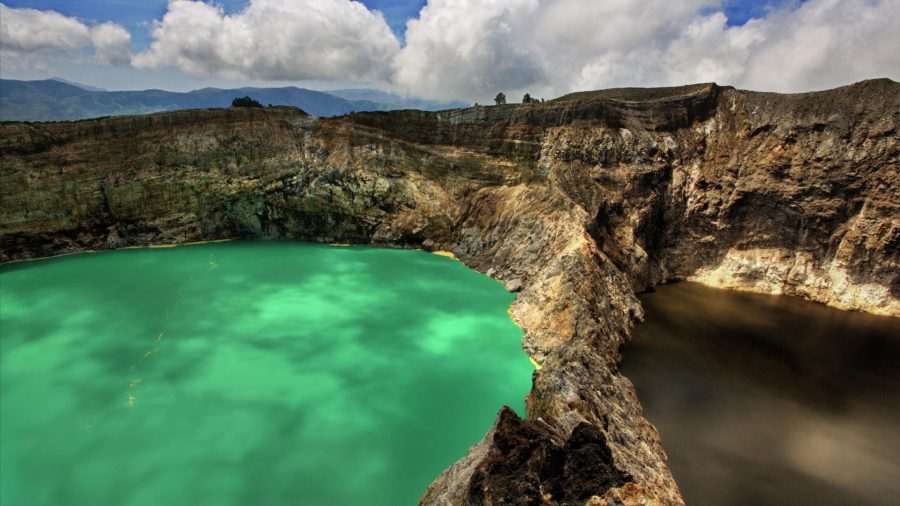



Imagine waking up beside a lake and finding that the water is no longer the colour it was yesterday. A lake that glows pink under the afternoon sun. Another that turns deep red against a landscape of snow and volcanoes. Somewhere else, turquoise water gives way to shades of green, blue and violet, creating a scene that looks more like a painting than a natural landscape.
Around the world, there are lakes that refuse to remain one colour. Their appearance can shift with the changing seasons, sunlight, temperature, minerals, microorganisms and even volcanic activity beneath the surface. Some transformations happen gradually over months, while others can make a lake look dramatically different depending on the time of day or the conditions around it. For travellers, these lakes offer something more than beautiful photographs. They reveal a fascinating side of nature—one that is constantly moving, changing and surprising.
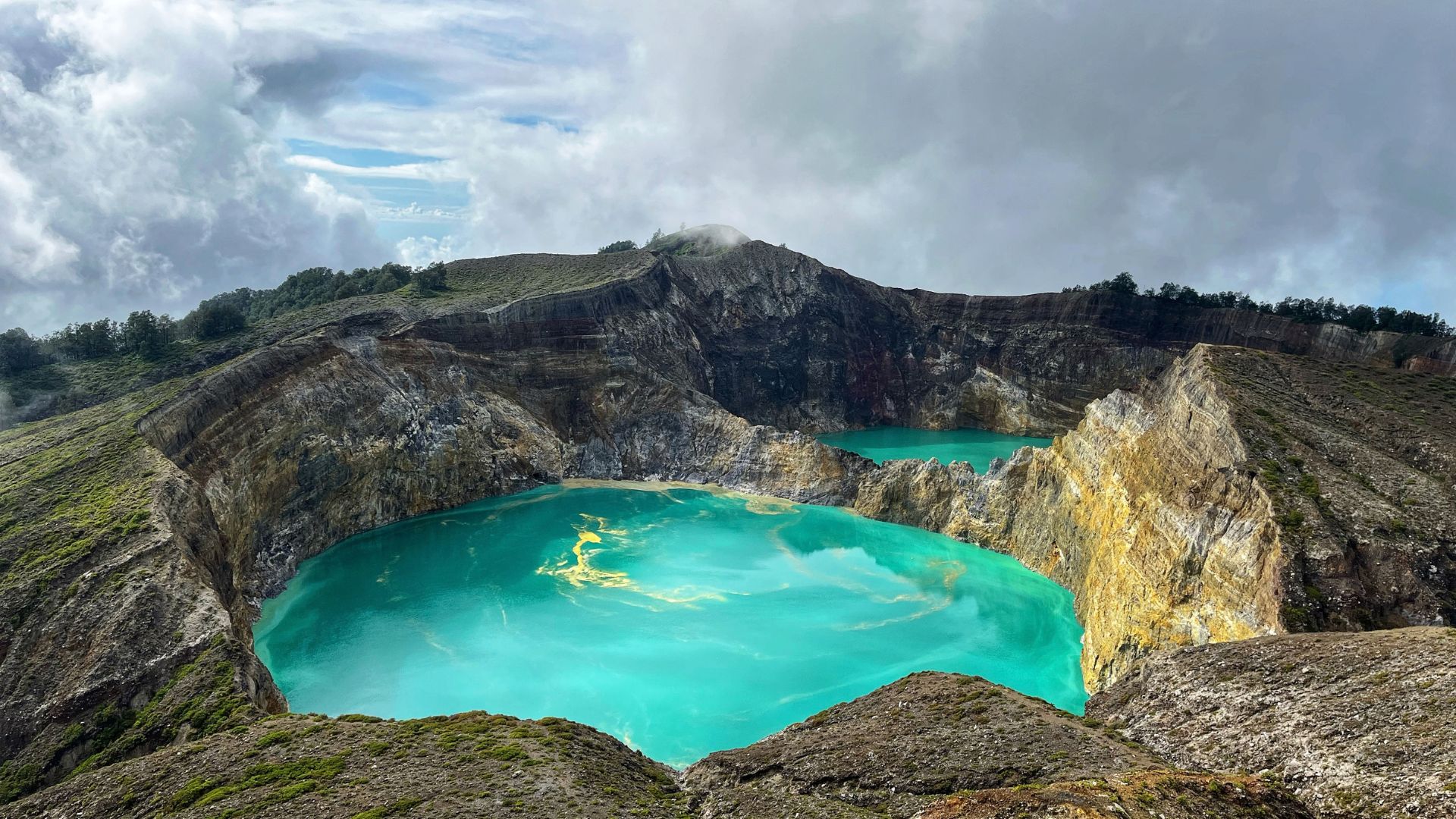
Kelimutu, Indonesia
On the Indonesian island of Flores, three volcanic lakes rest together at the summit of Mount Kelimutu. Known collectively as Kelimutu, the lakes are among the country’s most unusual natural attractions. Their colours can change over time, ranging from turquoise and green to blue, brown and dark reddish shades. The transformation is connected to volcanic activity beneath the lakes, along with minerals and chemical reactions taking place in the water.
What makes the view even more remarkable is that the three lakes do not necessarily change colour at the same time. One may appear green while another is blue or dark brown, creating a striking contrast across the volcanic summit. The lakes also hold deep cultural significance for the local people, who have traditional beliefs connected to them. Surrounded by misty mountains and rugged volcanic terrain, Kelimutu feels like a place where nature and legend exist side by side.
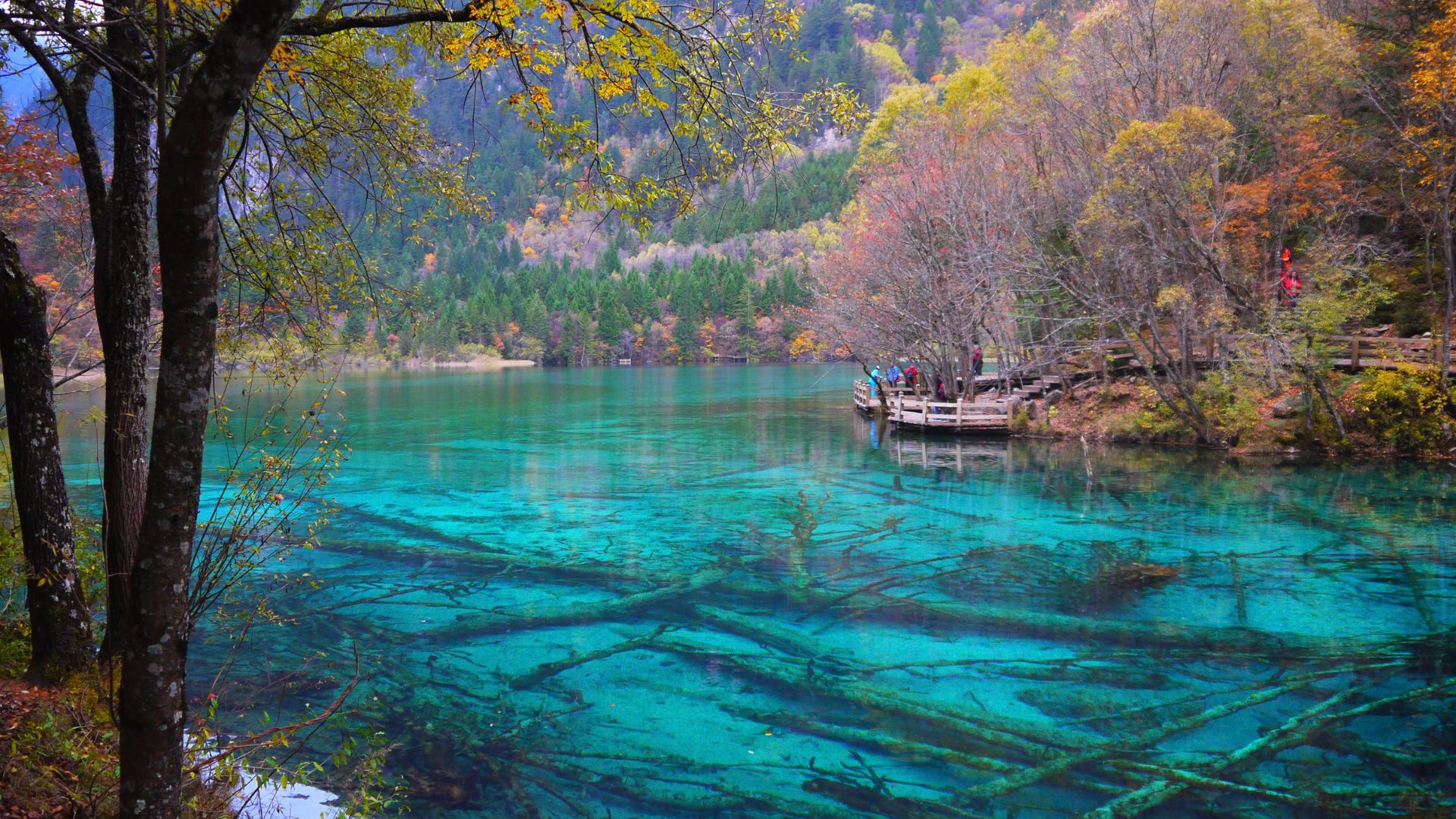
Five Flower Lake, China
Hidden within Jiuzhaigou National Park in Sichuan, China, Five Flower Lake is famous for its extraordinary clarity and changing shades. The water can appear turquoise, emerald green, deep blue and even yellowish in different areas. Beneath the surface, fallen tree trunks can be seen resting in the clear water, adding another layer to the unusual scenery.

The lake’s colours are influenced by minerals, aquatic plants and algae, as well as sunlight and the angle from which visitors see the water. The surrounding mountains and forests further change the appearance of the lake as the seasons move from one to another. In autumn, the colourful forest surrounding the lake can be reflected on its surface, creating an almost surreal combination of blue water, golden leaves and green mountains.
It is the kind of place where the landscape seems to have been carefully painted rather than naturally formed.
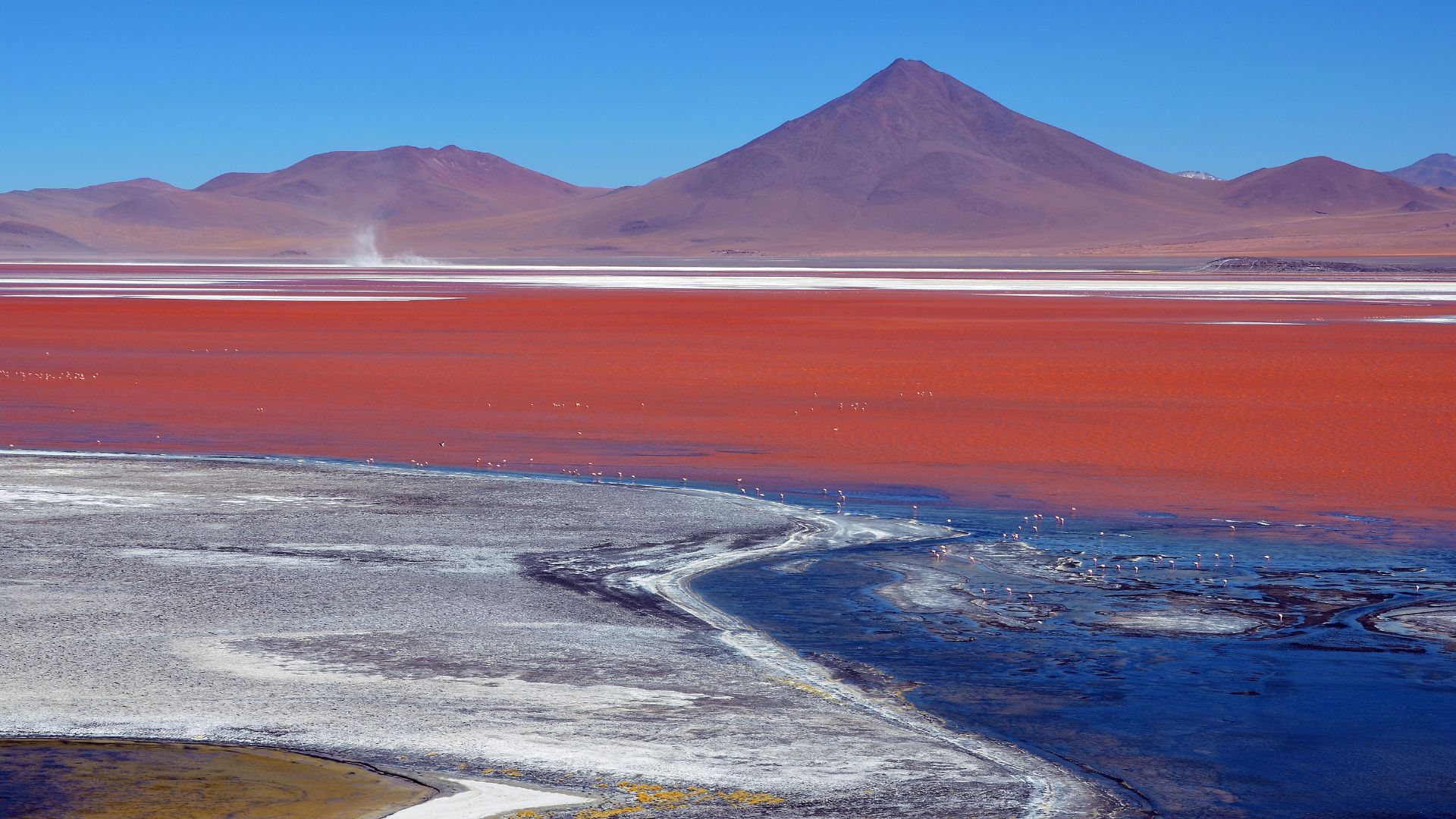
Laguna Colorada, Bolivia
In Bolivia’s Eduardo Avaroa National Park, Laguna Colorada offers one of the world’s most dramatic examples of coloured water. The shallow lake can appear red, rust-coloured, orange or reddish-brown, with the exact intensity changing according to sunlight, minerals and microorganisms in the water. Its striking colour becomes even more dramatic because of the landscape around it. White mineral deposits line parts of the lake, while distant volcanoes rise from the barren terrain.


And then come the flamingos. Several species of flamingos gather in the shallow waters, moving through the colourful lake in search of food. Their pale pink feathers stand out against the red water and stark landscape, creating a scene that feels almost unreal.
The combination of coloured water, flamingos, volcanoes and wide open skies makes Laguna Colorada one of the most unforgettable landscapes in South America.
Laguna Rosa, Spain
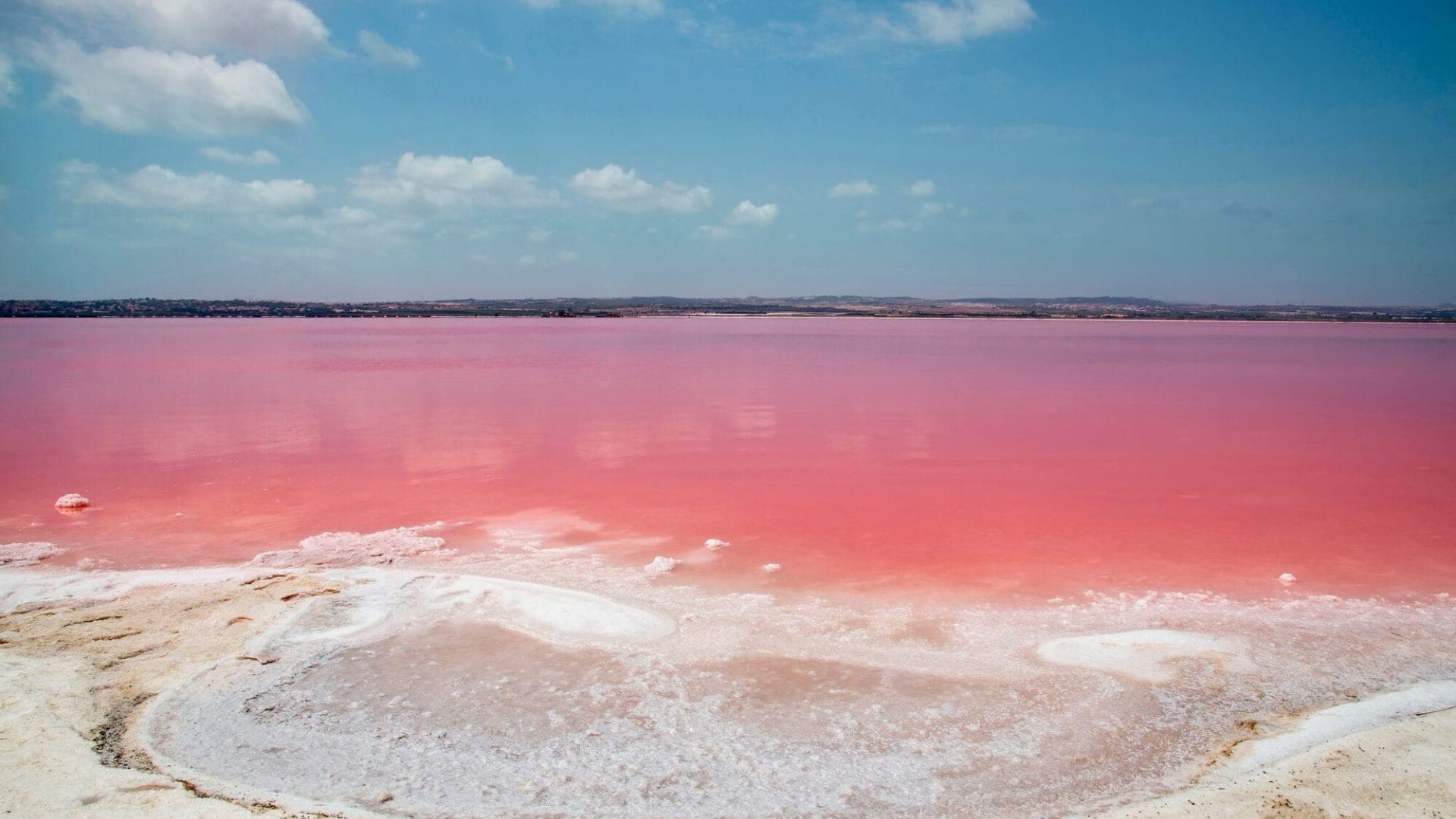
Not every colourful lake is hidden among mountains or volcanoes. Near the Mediterranean coast in southeastern Spain, the salt lakes of Torrevieja create a landscape that can look remarkably pink. Laguna Rosa, or the Pink Lake, gets its distinctive colour largely from microorganisms that thrive in its extremely salty environment.
The shade can vary depending on salinity, temperature and sunlight. Under strong sunlight, the water can take on a vibrant pink or reddish appearance, while at other times it may look much softer.
The contrast between the pink water, pale salt deposits and blue Spanish sky creates an almost dreamlike landscape. For visitors, it can feel as though the ordinary rules of colour have been rewritten.
Yuncheng Salt Lake, China
China’s Yuncheng Salt Lake is another place where microorganisms turn an ordinary body of water into something extraordinary.
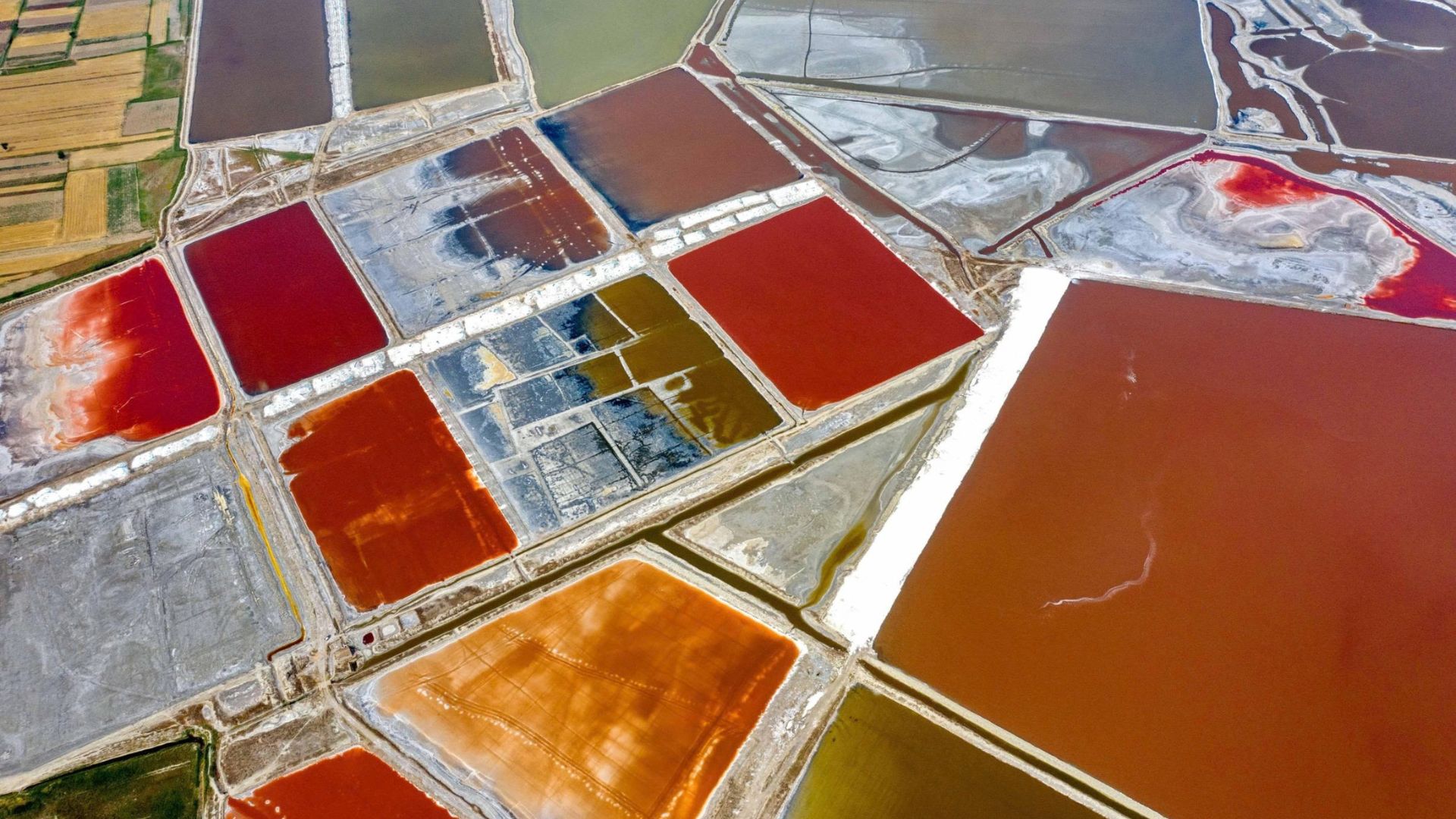
Often called China’s “Dead Sea”, the highly saline lake can develop patches of red, pink, green and purple. During warmer periods, microorganisms living in the salty water become more active, contributing to the lake’s vivid colours. Seen from above, different sections can resemble enormous pools of paint spread across the landscape.
The colours are not permanent, however. Changes in temperature, salinity and environmental conditions can alter the appearance of the water. That constant transformation is part of the lake’s charm. A photograph taken during one season may look completely different from the landscape seen several months later.
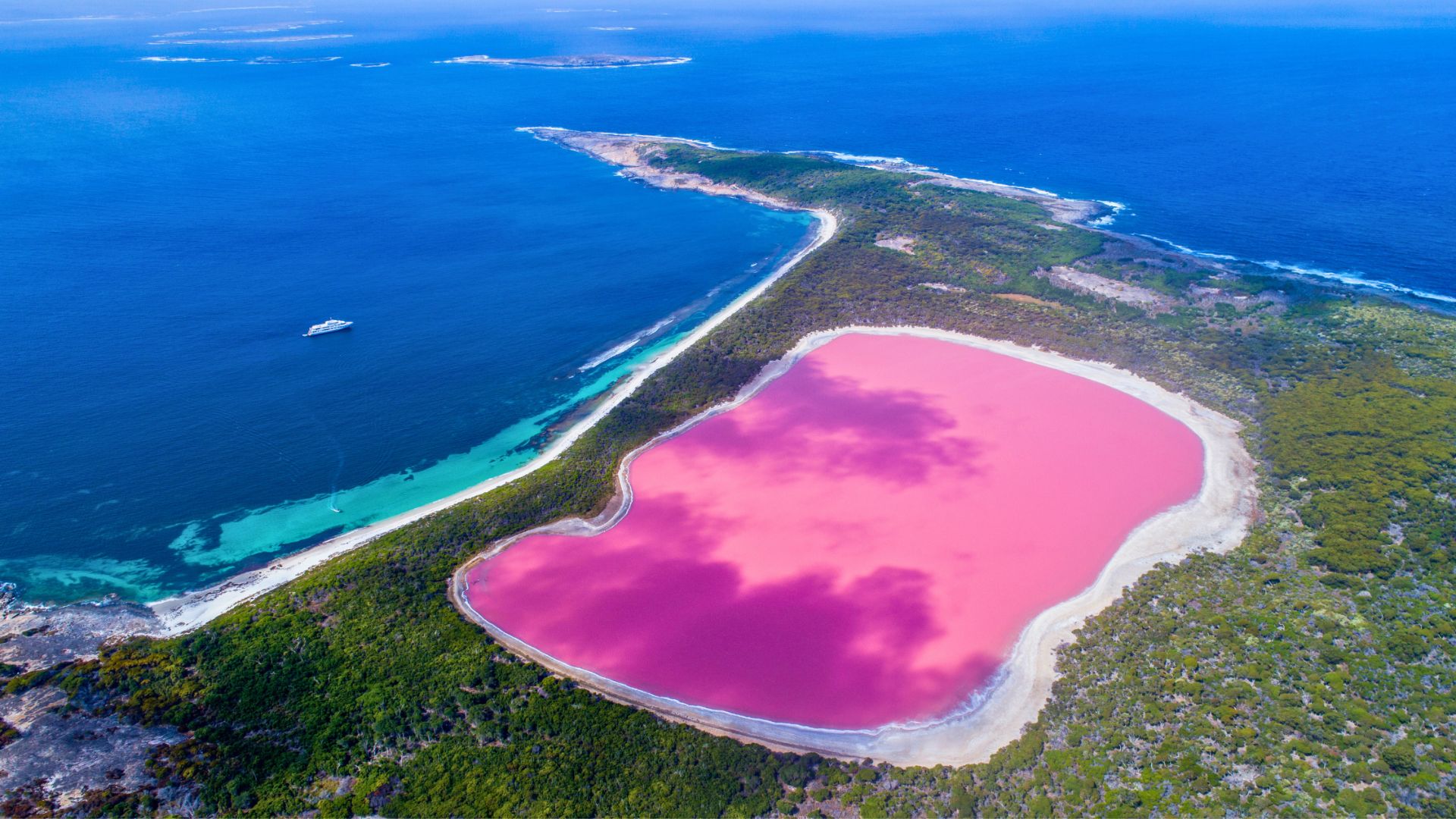
Lake Hillier, Australia
Off the southern coast of Western Australia lies one of the world’s most famous pink lakes—Lake Hillier. Located on Middle Island in the Recherche Archipelago, the lake is striking for its intense pink colour, particularly when viewed from above. Its unusual appearance is associated with the lake’s high salinity and microorganisms living in the water.
The bright pink lake sits beside the deep blue waters of the Southern Ocean, creating an extraordinary natural contrast. From the air, it looks almost as though a giant pool of pink paint has been placed beside the sea.
Although the colour may vary in intensity, its unusual appearance has made Lake Hillier one of Australia’s most recognisable natural wonders.
What makes these lakes so fascinating is not simply their unusual colours. It is the fact that those colours are not always permanent. A lake can look different because the sun is stronger, the temperature has changed, microorganisms have become more active, or minerals have reacted beneath the surface. Seasons can transform the landscape around the water, while volcanic activity can alter the chemistry of a lake from one period to another.
In other words, these lakes are not static postcards. They are living landscapes. Perhaps that is what makes them so captivating for travellers. A photograph can preserve one moment, but nature continues painting after the camera is put away.
Across mountains, deserts, volcanic craters and remote islands, the world’s colour-changing lakes remind us that beauty does not always stay the same. Sometimes, the most remarkable destinations are the ones that keep changing before our eyes.