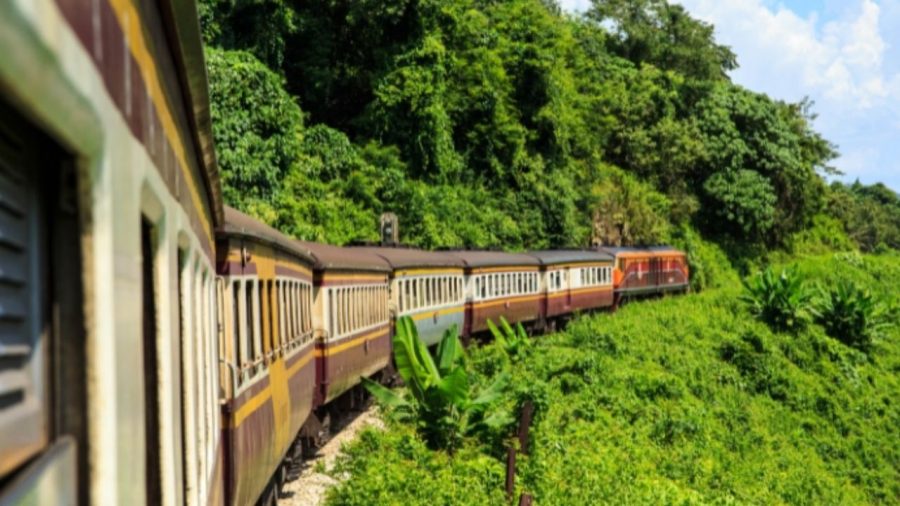



Inspired by a YouTube video on travelling alone by train, Christy Fischer decided at the age of 55 to give solo rail travel a try.
She boarded a train in Cleveland and travelled to Boston to visit her stepson. By the end of the journey, she says, “I was hooked.”
Now 59, Fischer is among a growing number of people embracing solo travel. A survey by Road Scholar, a non-profit educational travel organisation, found that 82 per cent of American adults have travelled alone or are open to doing so. The survey also found that 58 per cent of baby boomers and 50 per cent of Generation X respondents have taken at least one solo trip, reports AARP.
Fischer is also part of a growing trend of using trains for travel. Amtrak recorded a record 34.5 million customer trips in its 2025 fiscal year. In Canada, VIA Rail carried 4.4 million passengers in 2025, maintaining its ridership.
For those unsure about travelling alone by train, Fischer, who runs the Facebook group Amtrak Solo Travelers, offers some encouragement.
“Once you get over the nervousness of being by yourself in something new, you’re literally hooked.”
Ready to board? Here are some tips for a safe and enjoyable solo train journey.
Pack light
Moving through narrow train aisles with heavy luggage can be difficult. Fischer advises travellers to “Pack light,” and recommends taking a carry-on bag and a travel backpack so essential items remain easily accessible.
Sojourner White, who shares solo train travel advice on her travel blog Sojournies, recommends carrying plenty of entertainment for long stretches on board. Travellers can bring novels, journals, devices loaded with downloaded films, word-search books or a deck of cards.
“Bring things to do because you are alone,” White says.
For passengers hoping to socialise, White says games can provide an easy way to meet and interact with fellow travellers.

She also recommends bringing snacks from home, as buying food on the train can cost more. “It’s a little pricier” to purchase food on board than at a local grocery shop.
For added comfort, White suggests carrying slippers or something to cover your feet.
Start with a short journey
Some train journeys in the US or Canada can continue for three or four nights. White recommends that first-time solo rail travellers begin with a shorter trip.
“Find a train ride near you,” she says.
White dislikes driving and embraces what she calls a “passenger princess lifestyle”, which she documents on YouTube.
Travellers can also consider heritage or scenic tourist trains, where the experience itself is a major part of the journey.



“Fall is a really great time to try a train ride because people love good fall foliage train trips,” she says.
Starting with a short journey can help travellers gradually become comfortable with solo rail travel. It also means they will not have to spend several days on a train if they discover that this style of travel is not for them.
Meet fellow travellers on board
Travelling alone does not mean spending the entire journey by yourself. Trains offer several opportunities to meet other passengers.
Janice Waugh, 69, founder of the website Solo Traveler, recommends having meals in the dining car. Passengers often sit at communal tables, creating opportunities to meet strangers.
Once seated, she says, “The conversations can ensue.”
For those who do not want a full meal, Waugh suggests having a drink or light snack in the café car or, where available, the dome car. The latter provides panoramic, 360-degree views through a wall of windows.
Both spaces typically offer lounge seating and provide opportunities for socialising.
“Some really fun things can happen there,” she says.
Fischer also recommends the café car, where she says there are “always people sitting there talking and chatting”.
According to Waugh, one of the biggest advantages of meeting people on a train is the opportunity to interact with passengers from different generations and cultures. Such conversations can often offer a fresh perspective.
“You start seeing yourself through the eyes of the person you’re speaking to,” she says.
Consider a sleeper car or roomette for extra security
Solo travel experts generally consider train travel safe. However, passengers who want additional security can book a sleeper car rather than a coach seat.
Travellers in sleeper cars are assigned a room attendant, which can provide an added sense of security.
“There’s somebody looking out for you, which I think makes it a bit safer than seats in coach,” White says.
White also recommends placing a doorstop alarm under the door. She makes regular check-in calls to her family so they know where she is.
Fischer says most rooms also have a safety button that passengers can press when they need assistance.
For travellers who find a full private room too expensive, a roomette offers a smaller option. It has a seat that converts into a bed.
However, sleeper-car rooms differ from hotel rooms in one important way: they do not lock from the outside. As other people may be able to access the room, passengers should consider taking valuables with them when leaving to visit other parts of the train.
Ask for help if needed
If another passenger makes you uncomfortable, move away from the situation.
“Get assertive,” Waugh says.
If leaving on your own proves difficult, she recommends asking another nearby passenger for help.
“You say, ‘This guy’s bugging me,’ ” she says.
Fischer says she has never personally faced a safety problem but knows other passengers who have experienced concerns involving fellow travellers. In such situations, the passenger either moved away or sought assistance.
“If there’s a problem, say something,” Fischer says.
Stay alert when getting off the train
Passengers should also remain cautious when they reach their destination.
Waugh advises travellers to take their time when getting off the train rather than allowing strangers to pressure them into buying something or getting into a rideshare.
“Don’t let people rush you,” she says.
Being rushed could put travellers in an unsafe situation or leave them vulnerable to financial exploitation.
One of the advantages of travelling alone is having control over your own pace — both during the train journey and after getting off.