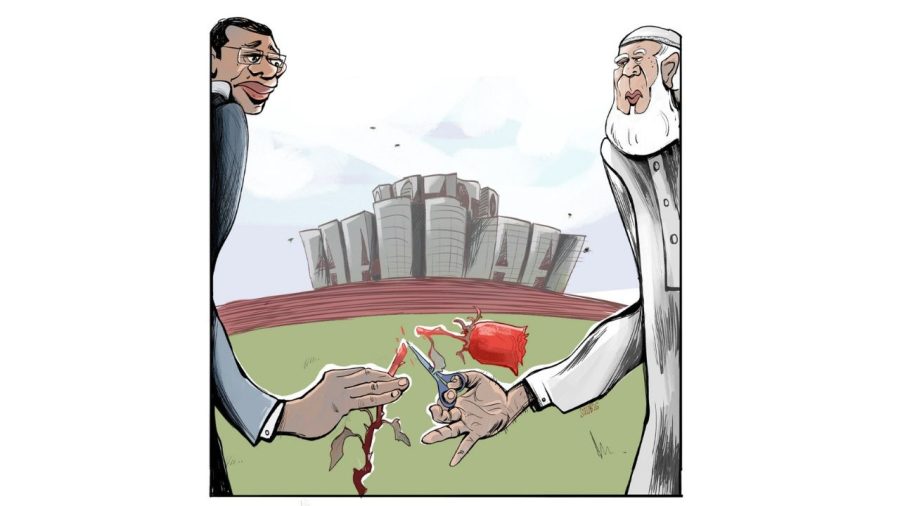



Jamaat-e-Islami is moving away from its policy of cooperation and mutual understanding with the BNP government, with the political relationship between the two long-time allies in the anti-Awami League movement heading towards a breakdown.
Initially reluctant to launch programmes aimed at putting pressure on the government until the BNP’s term was nearing its end, Jamaat is now considering a tougher political course, according to conversations with several senior party leaders.
The party plans to capitalise on growing public dissatisfaction over delays in implementing reforms, deteriorating law and order, load-shedding, mismanagement in the energy sector, partisan appointments and government decisions that bypass the opposition.
Jamaat is considering stronger street programmes on these issues to increase pressure on the government.
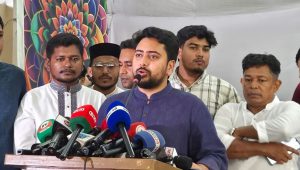
Jamaat-e-Islami Secretary General Mia Golam Parwar told TIMES, “The BNP will soon face the consequences of its attempt to introduce an authoritarian system of governance by amending the constitution at will, disregarding the people’s mandate and bypassing the opposition. Jamaat is prioritising the wishes of the people over maintaining relations with the party.”
Senior Jamaat leaders say the party will intensify its movement after the ongoing programmes if the government does not change its position on implementing reforms and providing political space to the opposition. However, the leadership is keen to avoid hasty decisions.
According to a senior Jamaat leader, the party believes the issues already fuelling public anger against the government will become more acute in the coming days.
Jamaat intends to wait for discontent to intensify before choosing the most opportune moment to launch a stronger movement, regardless of how long the BNP has been in power.

The central leadership has already communicated this position to party units across the country.
Several Jamaat ameers at the district and upazila levels told TIMES that, following instructions from the central leadership, they were working to build public support by highlighting the government’s failures, irregularities, corruption and partisan practices.
Jamaat leaders believe the BNP disappointed the ‘Gen Z’ generation that supported the July movement soon after taking office.
They point out that BNP Chairman Tarique Rahman campaigned for a ‘Yes’ vote in the referendum before the election, but his party began moving in the opposite direction after coming to power instead of implementing its outcome.
More recently, widespread dissatisfaction has emerged over what critics describe as the dominance of BNP leaders in the appointment of government fertiliser dealers at the union level and on committees headed by upazila nirbahi officers (UNOs) responsible for transferring primary school teachers.



Earlier, the appointment of supervisors for distributing ‘Family Cards’ nationwide also triggered widespread turmoil. Ruling party leaders and activists who failed to secure appointments attacked UNO offices in Natore and several other districts.
Opposition MPs have also expressed dissatisfaction over alleged discrimination in development allocations compared with ruling party lawmakers. They complain that even when included in various committees, they are not given due importance.
Meanwhile, although global developments have contributed to oil and gas shortages, mismanagement in the energy sector, persistent load-shedding and difficulties faced by farmers in obtaining fertiliser in different areas have heightened public anger towards the government.
Incidents of land grabbing and extortion involving ruling party leaders and activists across the country have further fuelled discontent.
Against this backdrop, Prime Minister Tarique Rahman issued a stern warning to MPs from his party at a meeting on Sunday.
Public dissatisfaction had also intensified over parliament’s amendment and repeal of several important ordinances among the 133 issued by the interim government.
These included ordinances concerning the referendum, judicial appointments, the Supreme Court Secretariat, the Anti-Corruption Commission, the Human Rights Commission, the Police Commission and the prevention and redress of enforced disappearances.
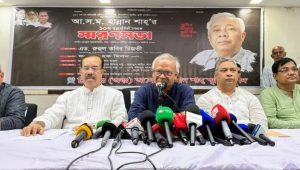
Jamaat Assistant Secretary General and head of the party’s media department Ahsanul Mahboob Zubair told TIMES, “As the BNP denied the people’s mandate, we initially raised our concerns in parliament. When the issues were not resolved there, we took to the streets. We will take to the field with all our strength to secure the people’s rights. If this leads to major unrest, the government will have to take responsibility.”
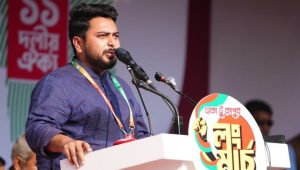
Amid growing strain in relations with the BNP, the Jamaat-led opposition alliance is pressing ahead with its long-march programmes.
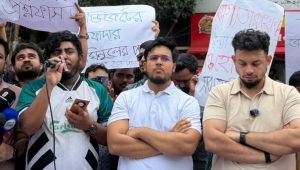
The alliance has been organising long marches in divisional cities since September, demanding implementation of the July Charter and reductions in oil, gas and electricity prices.
Under a decision by the 11-party alliance, a long march will be held in Khulna on 31 October, followed by another in Sylhet.
The alliance also plans to hold a grand rally in Dhaka in late November or early December.
At the rally, opposition leaders are considering issuing a short ultimatum to the BNP government to take effective steps towards the swift implementation of the July Charter.
If the demands remain unmet, the Jamaat-led alliance may announce tougher programmes.
The BNP, however, has strongly criticised Jamaat’s stance.
BNP Standing Committee member Selima Rahman told TIMES, “Jamaat has been following a fascist approach from the beginning. While the BNP wants national unity to move the country forward from its fragile economic condition, Jamaat does not. That is why, since the formation of the government, the party has been trying to destabilise the country over various issues.”
The BNP and Jamaat share a long history of political alliance. After forming an alliance in 1999, the two parties remained allies for many years. However, cracks in their relationship became evident following the 2024 mass uprising.
Despite public tensions between the two parties during the 2026 election, they were still believed to have maintained a degree of political understanding.
The BNP subsequently formed a coalition government following its landslide electoral victory, while the Jamaat-led alliance took its seats in parliament as the opposition.
Since then, the political positions of the two former allies have grown increasingly divergent.