
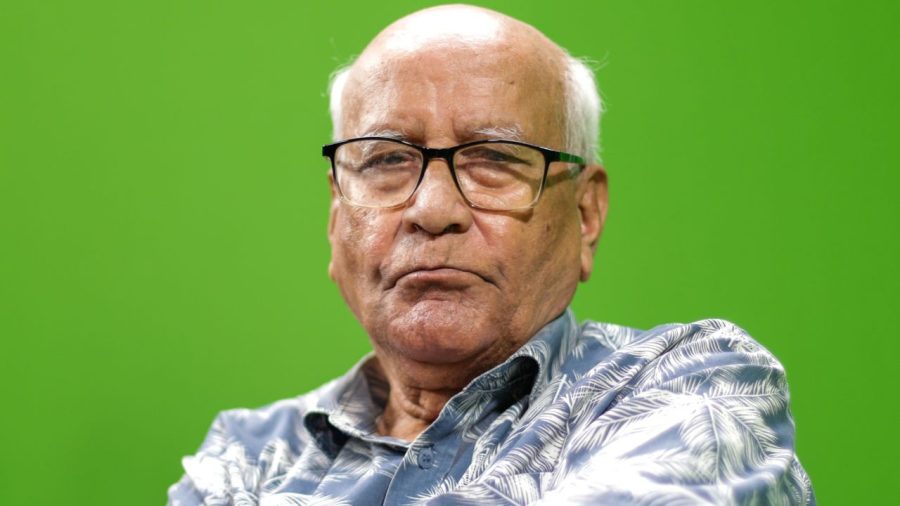



For Khurshid Alam, the greatest reward for a lifetime in music is not a trophy or an award. It is a rickshaw puller recognizing him fro his songs. That spontaneous affection, the veteran Bangladeshi singer says, means more to him than any formal recognition.
Decades after songs such as ‘Jodi Bou Shajo Go’ and ‘Chumki Choleche’ won over audiences, Khurshid continues to enjoy a special place in the hearts of listeners, particularly those who grew up with his music. His songs remain woven into Bangladesh’s musical memory, carrying the charm of an era when his voice commanded the stage.
In an interview with TIMES, the veteran singer reflected on his long career, the changing music scene, his regrets and the lessons he hopes younger artists will learn from his experience.
“Even rickshaw pullers recognise my songs and sometimes ask me to sing a couple of lines,” he recalled, describing the affection of ordinary listeners as the most meaningful recognition of his work.

Yet, despite the lasting appeal of his music, Khurshid has one major disappointment: singers have failed to build a united community.
“Artists from several other creative fields have managed to come together and build communities, but singers have never been able to establish something similar,” he said, expressing hope that the younger generation would learn from this failure and remain united, regardless of the musical paths they choose.
His concerns about the industry do not mean he is resistant to change. Khurshid enjoys the rap, hip-hop and pop music being produced by young artists and believes every generation should have the freedom to express itself through music.




Whether today’s songs will enjoy the same longevity as the classics, however, is a question he believes cannot be answered overnight.
“We need to wait another 20 years to see whether today’s songs will stand the test of time,” he said.
For Khurshid, artistic freedom must go hand in hand with humility. He urged people of every generation to remain grounded, regardless of their talent or achievements. He also praised today’s parents for becoming more open to their children’s choices, allowing them greater freedom to pursue cultural interests and personal dreams.
He had a straightforward message for aspiring singers, too: admiration for the profession alone is not enough to make someone a singer.
“Music is not for everyone,” he said, encouraging young people to recognise their abilities and dedicate themselves wholeheartedly to whichever profession they choose.
Reflecting on his own career, Khurshid credited honesty and dedication for helping him along the way. Professional recognition, he suggested, has never carried the same weight as the affection he receives from listeners who have made his songs part of their lives.
Not all his memories, however, come with such earnest reflections. Laughing, he recalled singing a teasing song for the film ‘Raater Por Din’. He admitted that performing the song today might cause quite a stir, although it was simply a fun number written for the film at the time.
After decades in the industry, Khurshid may have stepped away from the stage he once rocked, but his songs continue to travel across generations. His reflections on artistic unity, humility and dedication reveal a man who remains invested in the future of music, even as he looks back on his own journey.
And while he hopes the next generation will build a stronger, more united musical community, the affection of listeners remains his most cherished reward, one that no trophy can replace.