A significant portion of minority voters in Bangladesh are grappling with security concerns ahead of the upcoming 13th National Parliamentary Election, according to a recent survey conducted by the Center for Governance Studies (CGS).
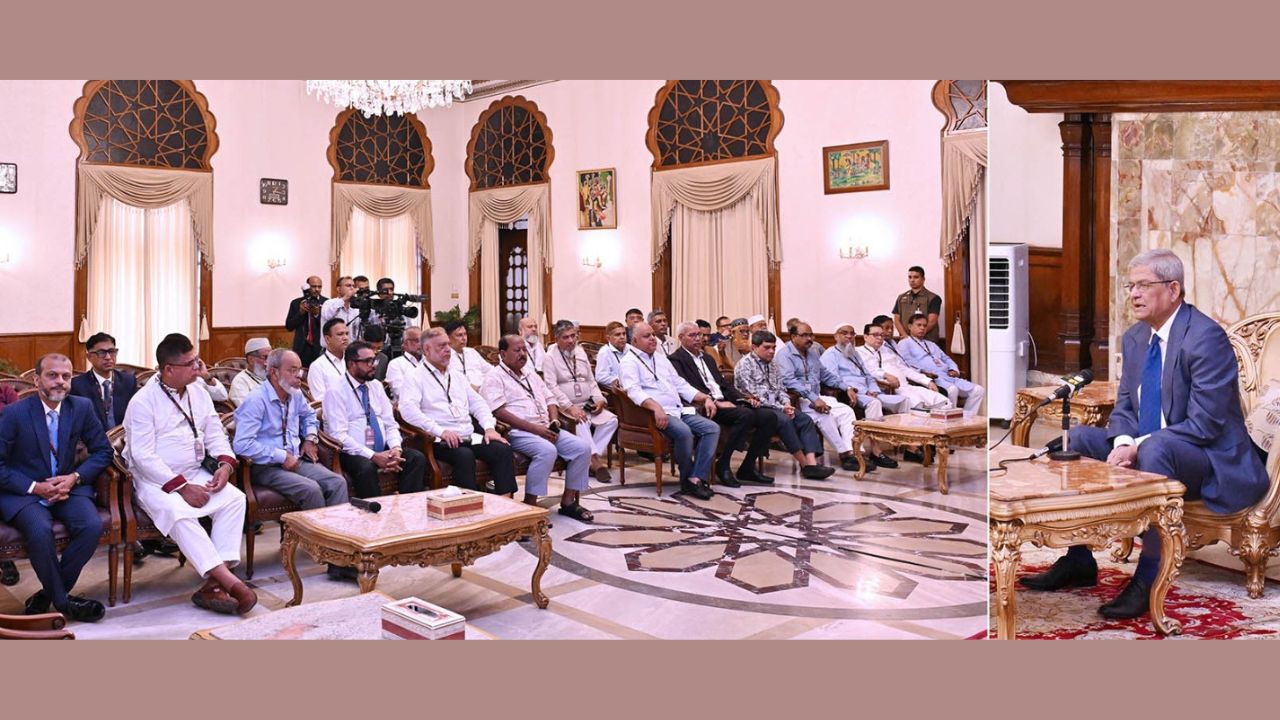
The findings, titled “From Commitment to Practice: Political Inclusion and Democratic Accountability, Bangladesh Election 2026,” were unveiled on Sunday at the Pan Pacific Sonargaon Hotel in the capital.
The survey reveals that only 23.4% of minority voters feel completely safe regarding the upcoming electoral process. In contrast, 50.7% of respondents expressed anxiety, while 25.8% categorised the voting environment as unsafe or highly unsafe.
The study was based on responses from 505 minority participants across various regions of the country, focusing on voting behaviour, political awareness, and perceptions of representation and security.

Reporting electoral irregularities
When asked about their likely response to irregularities during the election, 57.2% of participants stated they would inform the officials in charge of the polling stations. Additionally, 47.4% would lodge complaints with the local administration, and 42.6% would notify the security forces.
However, a notable 20.3% of respondents indicated they would take no action at all. Only 13.7% expressed a willingness to participate in protests, while 12.5% would inform the media and 11.2% would highlight the issues on social media.



Low reporting of harassment
The survey also highlighted a low tendency to report political harassment or threats. While 70.7% of respondents said they had never encountered a situation requiring a complaint, 22% of those who did face threats or violence intentionally avoided reporting the matter.
Formal complaints remain rare, with many such issues being confined to social circles. Only 1.9% of respondents reported incidents to the Election Commission, and a mere 1.5% sought assistance from police stations.
Fear of repercussions, lack of trust
The primary deterrent to reporting incidents is the fear of further harm, cited by 48.7% of participants. Besides, 28.6% expressed a lack of confidence in the legal system, and 32.8% feared that revealing their identity would lead to social humiliation or stigma.
A lack of support from family, society, or law enforcement agencies was mentioned by 29.7% of respondents. Additionally, 20.2% believed that the political and social influence of their opponents is so formidable that lodging a complaint would yield no results.
Among those who witnessed electoral irregularities but remained silent, 55.8% stated that the fear of physical or mental harm to themselves or their family members was the main reason for their inaction.
Concerns regarding the authorities were also prominent, with 43.3% fearing police harassment or legal complications.
Moreover, 15.4% believed that no justice or remedy would be provided even if a complaint were filed, while 9.6% expressed direct doubts regarding the neutrality of the Election Commission.