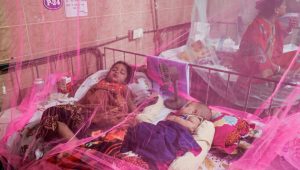
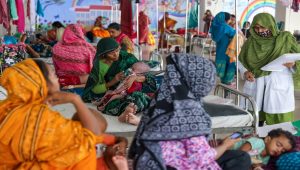
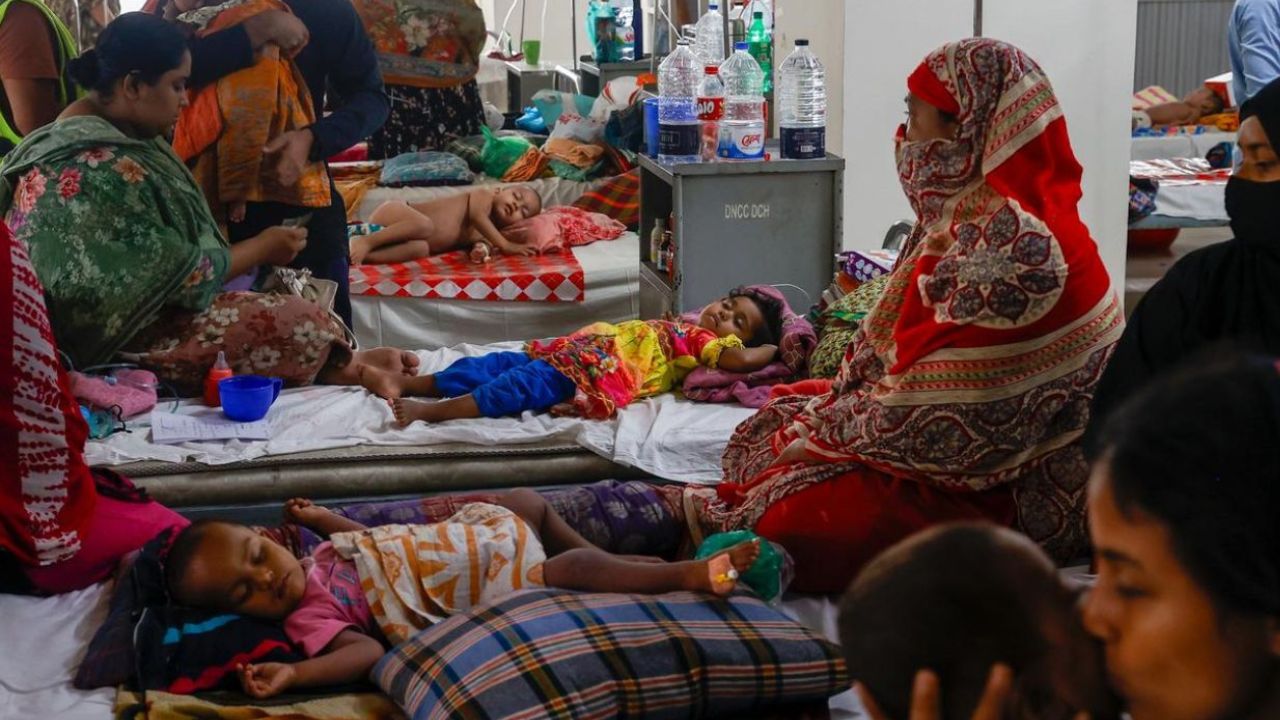
Bangladesh has begun its measles vaccination campaign with new supplies arriving, but the outbreak continues to worsen, with new deaths and a surge in suspected cases alarming health officials.
According to the Health Emergency Operation Centre at the Directorate General of Health Services (DGHS), 12 new deaths were recorded between 8am on 4 April and 8am on 5 April. Of these, two were confirmed measles cases, while the other 10 died with measles-like symptoms.
Since 15 March, confirmed measles deaths have reached 17, and suspected deaths have risen to 113. During the same period, 974 new suspected cases were reported across the country, with Dhaka recording the highest at 392, followed by Chattogram with 195. Lab tests confirmed 54 new cases, bringing the total number of confirmed infections to 929.
Despite these rising figures, vaccination efforts continue across Bangladesh, with divisional health officials reporting progress, although stock availability varies.
Vaccination efforts across divisions
Shyamal Krishna Mondal, director of DGHS in Barishal Division, confirmed that vaccination is proceeding smoothly, with no major shortages. “More vaccines are expected soon, and the ongoing process is on track,” he said.

In Chattogram, Sheikh Fazle Rabbi reported that vaccination is underway in Cox’s Bazar’s Ramu and Maheshkhali upazilas, targeting around 120,000 people in the first phase. “Around 80,000 doses are currently available, with more expected from the centre within a week,” he added.
Md Mujibur Rahman, director of Khulna Division, confirmed that vaccination has begun in high-risk upazilas, including Jashore Sadar, targeting 91,000 people. With more than 114,000 doses available, the target is expected to be met without shortage.


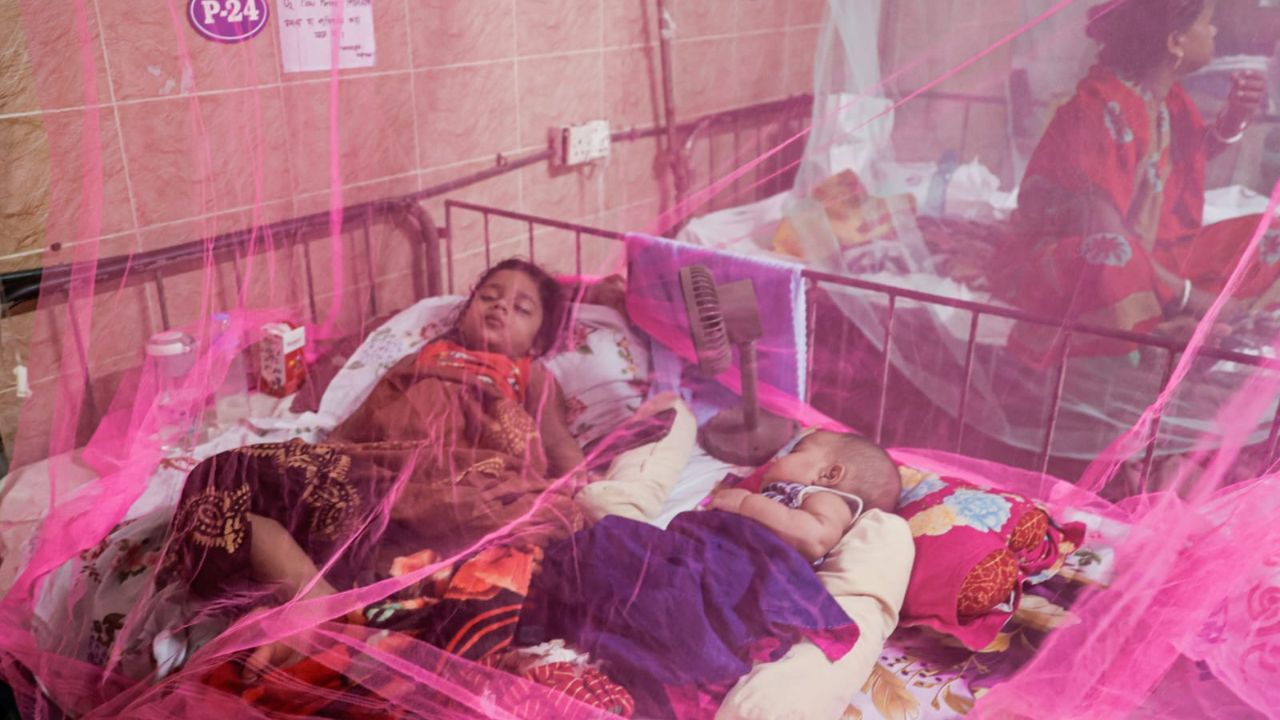
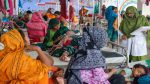
In Mymensingh, Pradip Kumar Saha, director of the Divisional Health Office, stated that emergency vaccination is underway in selected upazilas. “The campaign is progressing smoothly, with sufficient stock for now, and additional doses are on the way,” he said.
Dhaka and Rajshahi divisions lead the way
Mohammad Jahangir Alam, director of Dhaka Division, confirmed that vaccination has already been launched in five districts, with over 500,000 doses available. Support from Unicef and the WHO will boost supplies as larger shipments arrive.
Md Habibur Rahman, director of Rajshahi Division, assured that vaccines are available in sufficient quantities, with supplies sent from the central level in Dhaka.
Vaccine supplies and procurement plans
Mohammad Shahariar Sajjad, deputy director of the Expanded Programme on Immunisation (EPI) at DGHS, confirmed that vaccines received from the Global Alliance for Vaccines and Immunization (Gavi) have been distributed to 18 districts and 30 upazilas.
Additional shipments are being dispatched, and a nationwide rollout is set for 3 May.
Sajjad also confirmed that around 21.9 million doses have been ordered, with deliveries occurring in multiple shipments. Major procurement efforts, including contracts valued at Tk6,040 crore and Tk4,210 crore, are set to ensure vaccine availability for the next three to six months beyond June of the next fiscal year.
Expert insights and government plans
Public health expert Mohammad Mushtuq Husain stressed that measles vaccines take 10–12 days to build immunity and are not an immediate solution. He also pointed out that children with symptoms should recover before vaccination, though natural immunity from the infection is possible.
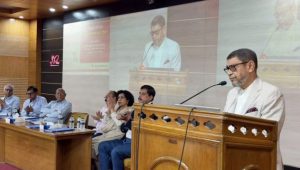
Health Minister Sardar Md Sakhawat Hossain Bokul outlined the phased rollout of the vaccination campaign. “From 12 April, vaccination will begin in city corporations and select districts, followed by a nationwide rollout, along with Vitamin A supplementation, from 3 May,” he said.
Minister Bokul also confirmed that immunisation has already started in 30 upazilas across 18 high-risk districts, as the government races to contain the spread of measles.
Despite growing cases and deaths, Bangladesh is intensifying its measles vaccination campaign. With support from global health organisations, the government aims to address the crisis, although ongoing challenges in supply and logistics remain.