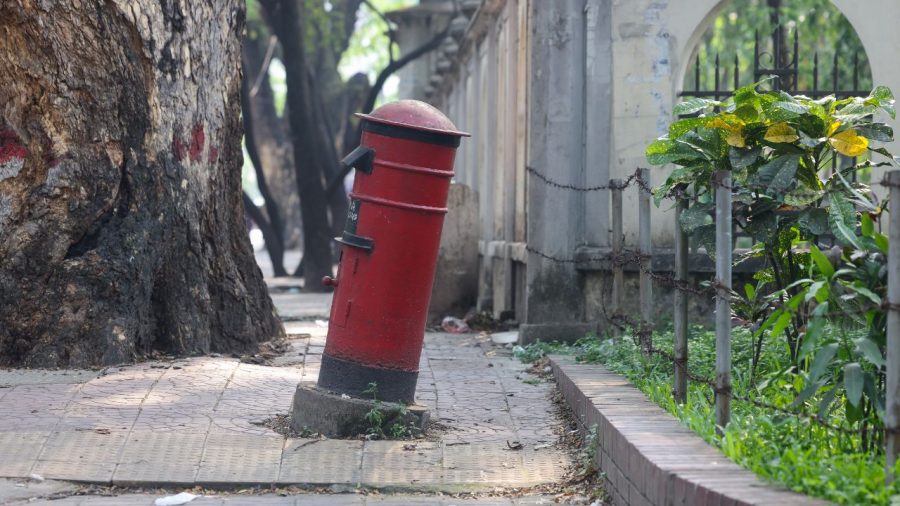



Once, the letterbox was the quiet heartbeat of communication.
A red metal box, bolted to a wall or standing on a street corner, it carried love letters, job applications, and news from distant relatives.
Today, it stands forgotten: rusted, painted over, an epitome of neglect.
In Dhaka, the decline of the letterbox mirrors the decline of the handwritten letter itself.
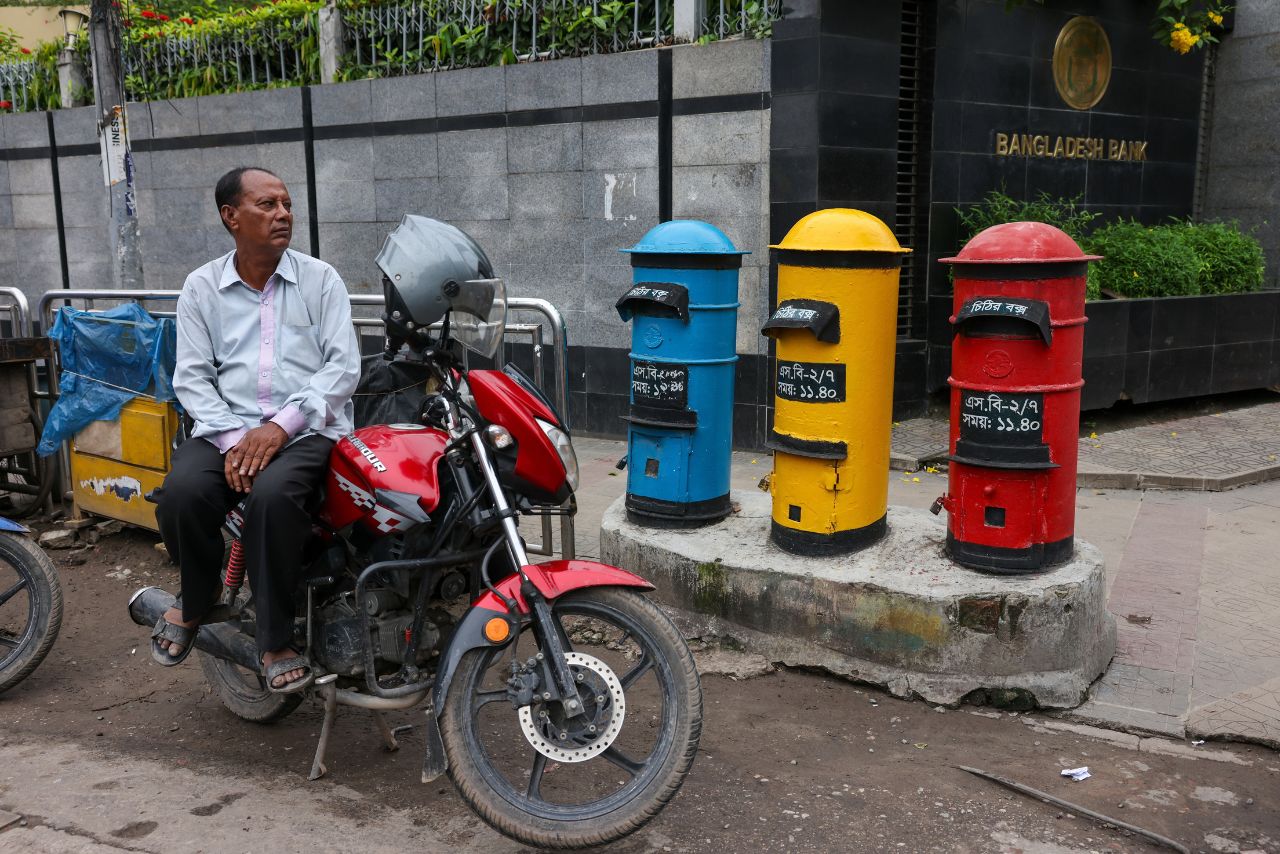
Where hundreds of post boxes once dotted the city, only a handful remain functional.

Many have been removed during road expansions; others have simply fallen into disrepair.
The ones that survive often bear no collection times, no postal insignia – just faded paint and a growing layer of dust.
The reasons are not hard to find.




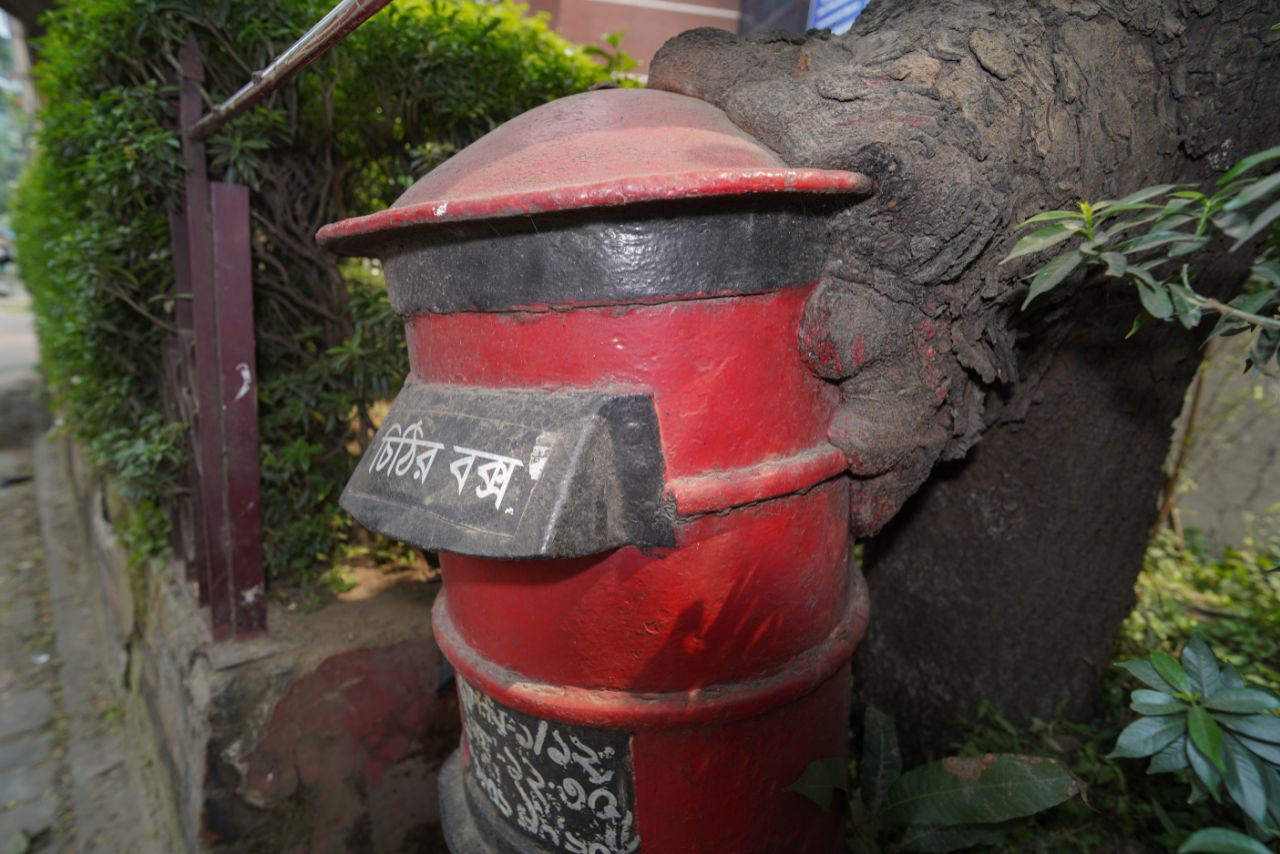
Email, mobile phones, and courier services have made traditional mail largely redundant.
A letter that once took days to arrive can now be sent in seconds.
For businesses, couriers offer speed and tracking; for individuals, messaging apps have replaced the personal letter entirely.
The postal department, meanwhile, has struggled to modernise, with limited resources and a declining revenue base.
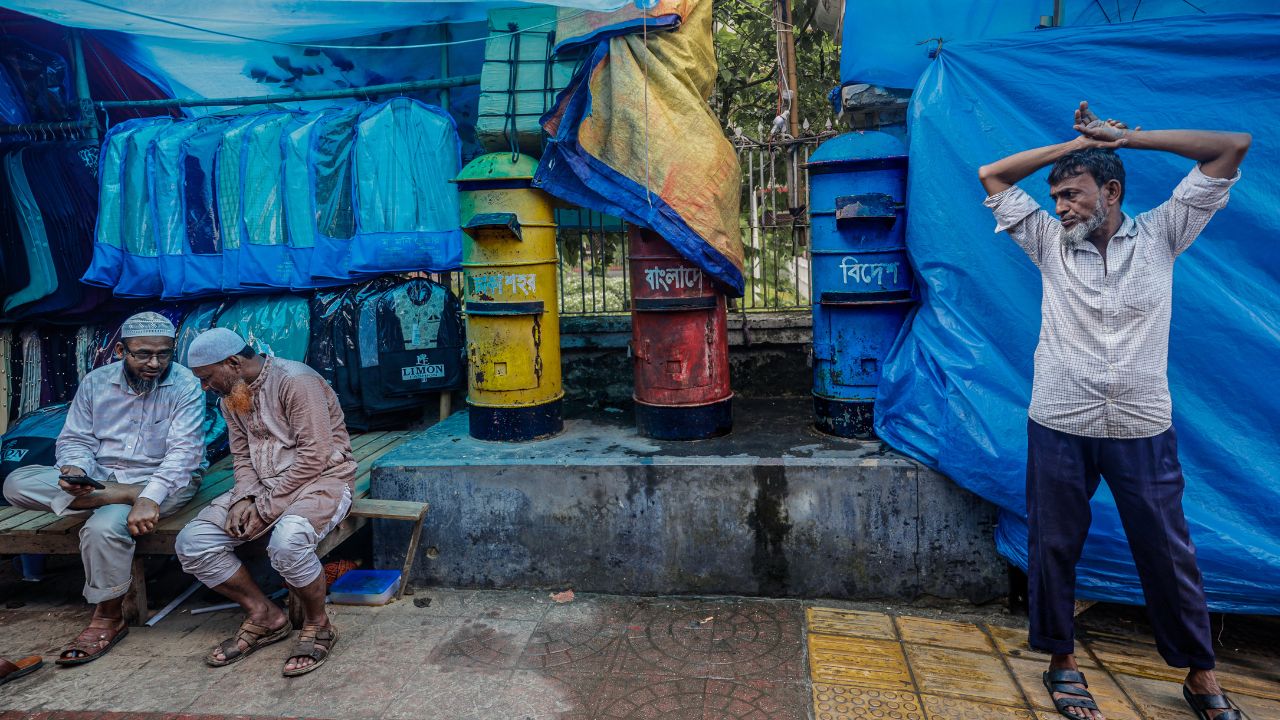
Yet, the letterbox was more than a delivery mechanism.
It was a public institution: a promise that anyone, regardless of income or connections, could send a message across the country for the price of a stamp.
It was also a tangible part of the city’s street life, a small red landmark that children recognised and adults relied upon.
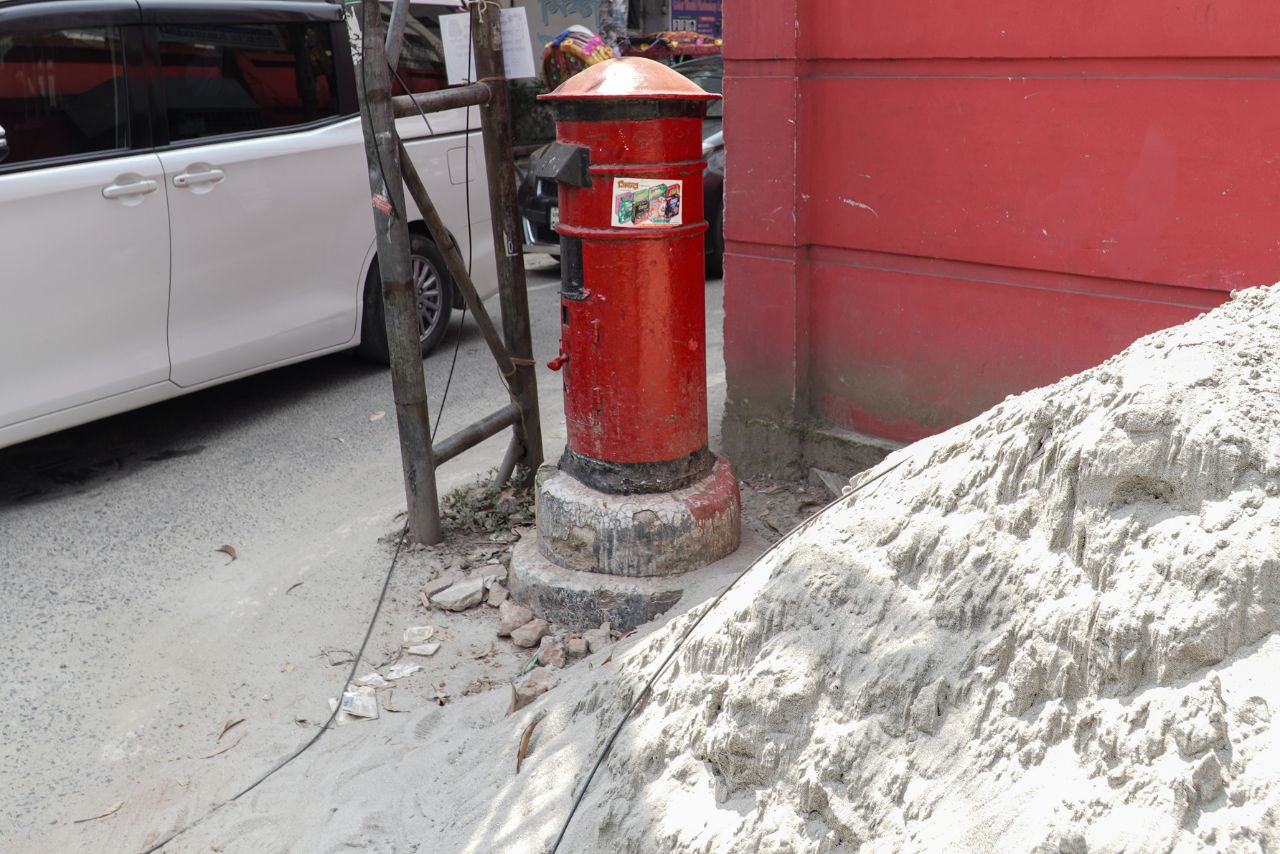
For a generation that grew up writing letters, the dying letterbox is a quiet loss.
For a generation that has never posted one, it is simply street furniture.
But its disappearance raises a larger question: as Dhaka races toward digital convenience, what else are we leaving behind?
The letterbox may be obsolete, but the idea it represented – accessible, patient, a medium of personal communication – perhaps deserves to be remembered.