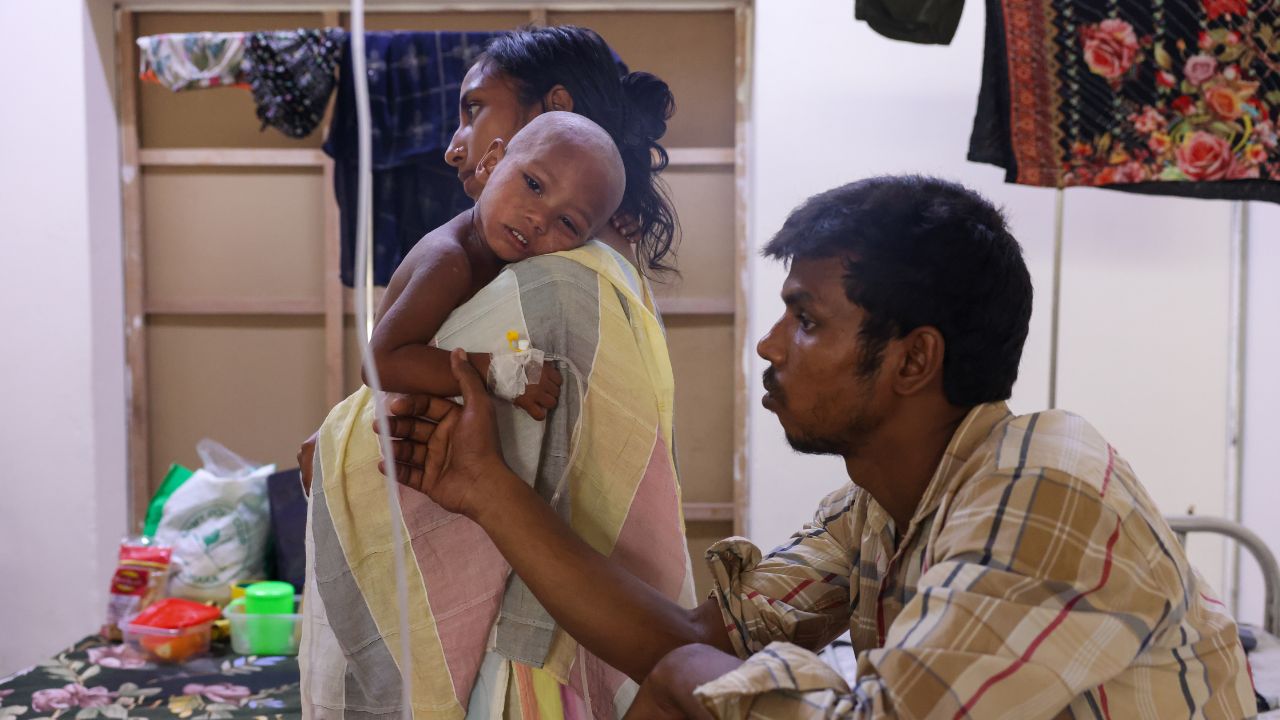
After November recorded the highest monthly dengue death toll this year – 94 fatalities – alongside unprecedented infection levels, experts warn the crisis is far from over, with cases expected to persist throughout December.
Data from the Directorate General of Health Services (DGHS) shows that dengue claimed 24 lives and hospitalised 4,301 people nationwide in the past week alone.
Public health specialists caution that dengue will continue to strain the healthcare system through the end of the year.
Dengue cases typically rise for about a month after the last spell of rain before gradually declining, said Dr Md Mushtaq Hossain, adviser to the Institute of Epidemiology, Disease Control and Research (IEDCR).
“Since the last rainfall in mid-November, cases are expected to continue until mid-December unless it rains again, after which they should begin to decrease within a month,” he told TIMES of Bangladesh.

Since January, Bangladesh has recorded 93,194 hospitalisations and 377 deaths from dengue – the third-highest annual toll since 2000. This compares with 2024’s 101,214 cases and 575 deaths, while 2023 remains the deadliest year on record with 321,179 hospitalisations and 1,705 deaths.
Fatalities remained low early in the year, ranging from three to ten per month, before surging from June onwards. Major spikes followed in July (41), September (76) and October (80), with deaths peaking at 94 in November.
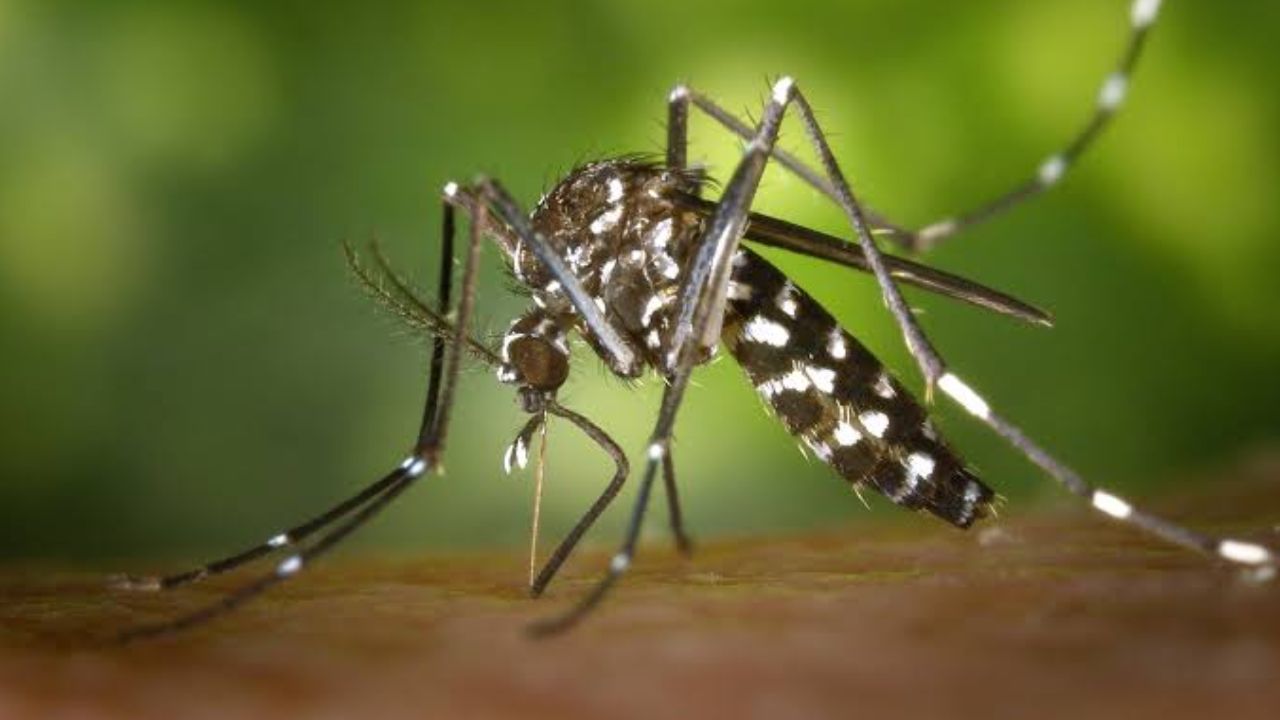
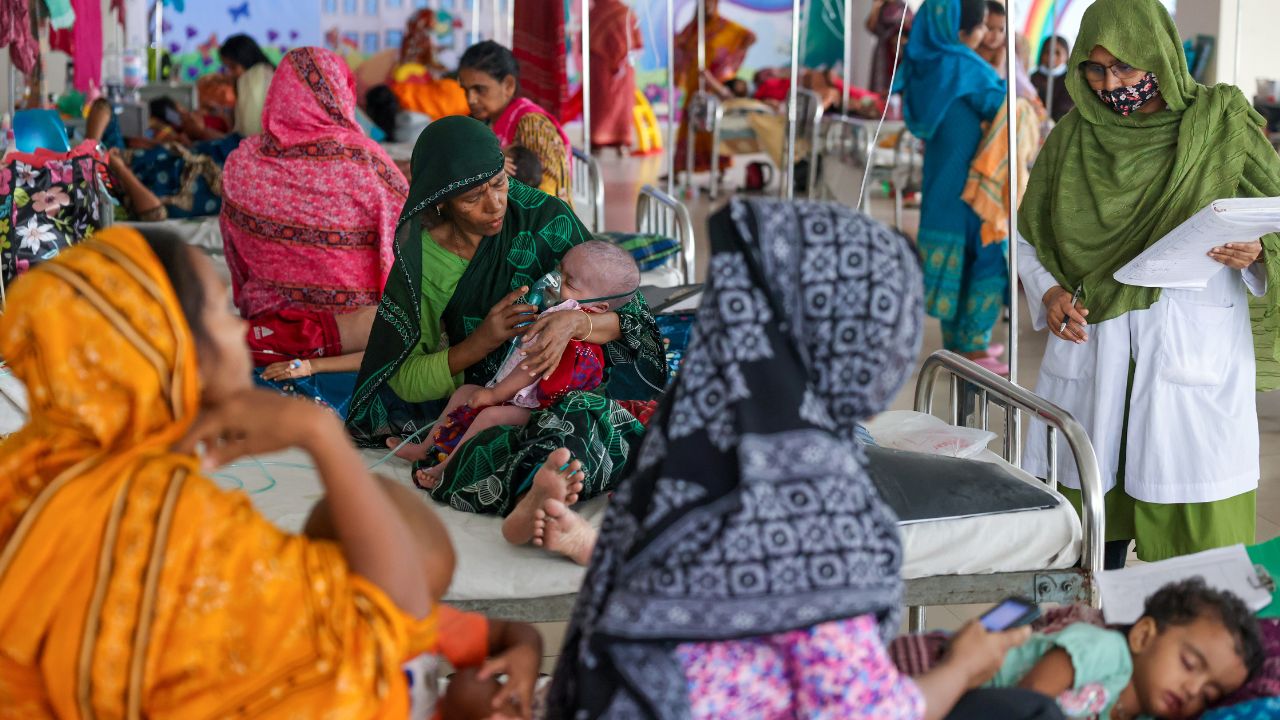


Professor Kabirul Bashar, entomologist and public health specialist at Jahangirnagar University, said, “Dengue will continue in December. It may decrease slightly compared to now, but it will not drop significantly.”
“Cases will persist throughout the month,” he told TIMES of Bangladesh.
Global vaccine hope, local caution
Amid a global rise in dengue cases driven by increasing temperatures, Brazil has delivered a major medical milestone by approving the world’s first single-dose dengue vaccine.
Developed by the Butantan Institute in São Paulo and named Butantan-DV, the vaccine was hailed as a “historic achievement” by Brazilian authorities on Wednesday and has begun its rollout.
The vaccine was approved for people aged 12 to 59, following trials on 16,000 volunteers that showed 91.6% effectiveness against severe dengue.
Bangladesh is closely monitoring these developments, according to Dr Md Mushtaq Hossain.
“The dengue vaccine is currently in its third-phase trials in this region, with ongoing trials in India. We are also closely following developments with Brazil’s vaccine,” he said.
However, Professor Bashar urged caution over the complexity of dengue vaccination, noting the deaths of two children in Indonesia due to improper administration.
“The dengue vaccine has certain limitations. It can only be given to specific age groups, and it must be ensured that the recipient has previously had dengue; otherwise, adverse reactions may occur.”
“If vaccination is ever approved in Bangladesh, strict guidelines must be followed to avoid any unintended effects,” he warned.