
The Chattogram district administration is launching a food safety and hygiene training initiative for chefs and restaurant workers as it shifts its focus from punitive measures to preventing recurring violations.
Under the drive, restaurants will also conduct special intensive cleaning sessions every Saturday, reads a press release.
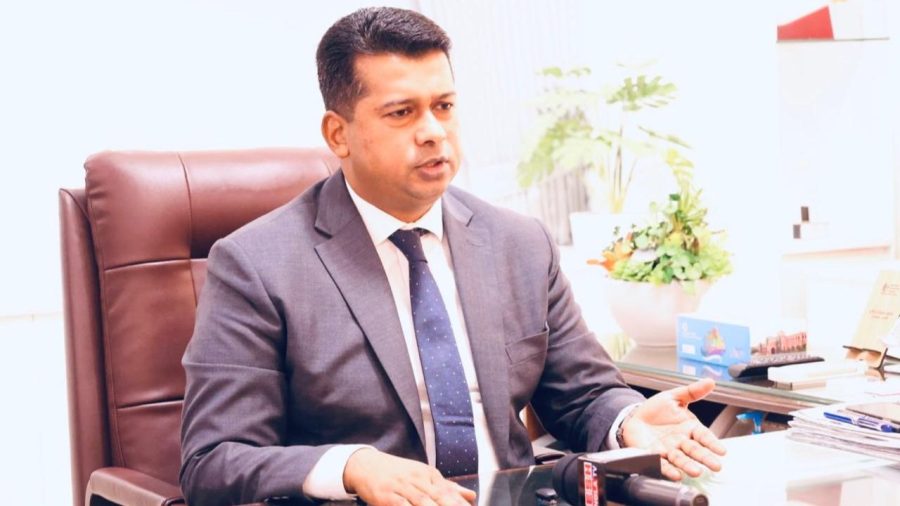
Speaking to journalists, Deputy Commissioner Mohammad Zahidul Islam Mian explained that the decision follows findings that even hefty financial penalties have failed to produce lasting improvements, with similar infractions resurfacing within months.
“Some restaurants have been fined as much as Tk20 lakh, but after a few months, the same problems return,” Zahidul said. He noted that enforcement alone has not yielded desired results and emphasized that change must come from a sense of responsibility among restaurant owners and workers.

The move comes after the administration received complaints regarding conditions in which food is prepared and served, while mobile court drives detected various irregularities.
Against this backdrop, the district administration met restaurant owners, representatives of regulatory agencies, and media members last week to discuss ways to improve food safety and hygiene.

At the meeting, restaurant owners agreed to designate one day a week for intensive cleaning, selecting Saturday for the drive. A rally involving restaurant owners and workers will take place this Saturday, while officials will inspect eateries to verify whether they are implementing the agreed cleaning measures.
In addition, restaurant owners requested hygiene training for chefs and other employees involved in preparing and handling food. The administration has since directed management to submit lists of workers for the programme.
“We will provide hygiene training to their staff and teach them how to keep themselves healthy as well,” the DC said, noting that proper practices are essential not only for consumers but also for restaurant workers, who face health risks from unsafe food and unhygienic working conditions.
The initiative follows an earlier directive granting hotels and restaurants 10 days to meet prescribed food safety and hygiene standards. The administration warned that establishments failing to maintain the standards required for their licence category could have their grades downgraded.
Referring to his weekly public hearings, Zahidul mentioned that many citizens approach the district administration seeking financial assistance for medical treatment, including patients with kidney diseases.
Citing their plight to highlight the broader public health implications of adulterated food, he warned: “Our country’s greatest resource is its people. If such a large population remains unhealthy, our economy does not have the capacity to bear that burden”.
He added that ensuring safe food requires coordinated efforts from the administration, restaurant owners, workers, and other stakeholders rather than relying on enforcement alone.