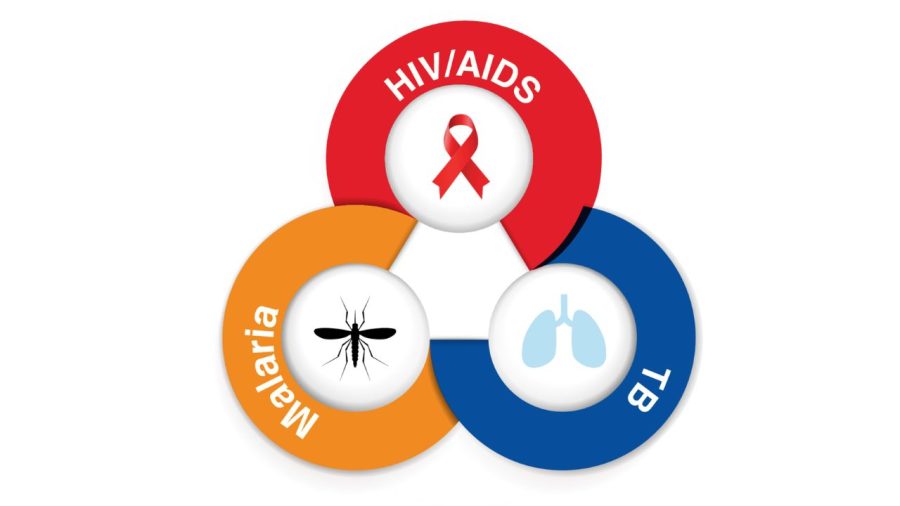

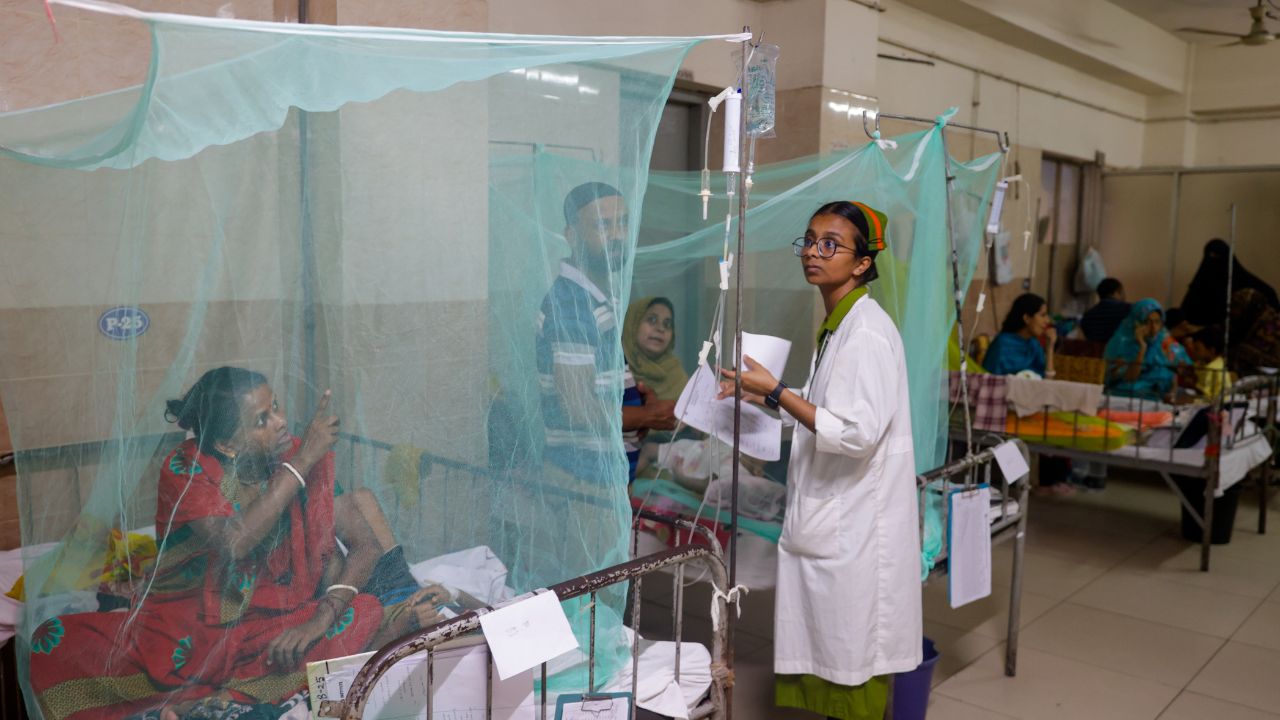
The government is set to launch an integrated healthcare programme to combat tuberculosis (TB), HIV/AIDS and malaria, aiming to identify nearly 9,87,718 patients and bring them under treatment.
The initiative also targets providing tuberculosis preventive treatment (TPT) to approximately 15 lakh people who have been in contact with pulmonary TB patients.
Titled Integrated Health System Response to Fight Against TB, HIV/AIDS and Malaria in Bangladesh, the project has an estimated cost of Tk4,039 crore and is scheduled to be placed before the Executive Committee of the National Economic Council (Ecnec) on Wednesday for approval.
According to Planning Ministry sources, the Directorate General of Health Services (DGHS) will implement the initiative from July 2026 to June 2029.
Of the total outlay, Tk3,168.88 crore will be drawn from government funds, whilst Tk870.17 crore will be provided as foreign assistance by the Global Fund to Fight AIDS, Tuberculosis and Malaria.

Under the programme, the government plans to perform rifampicin sensitivity tests for all identified TB patients and confirm HIV status among all newly diagnosed and previously treated TB cases.
The project aims to bring 85 per cent of the estimated 17,700 HIV-positive individuals into treatment and ensure viral load suppression among 93 per cent of those receiving care.
For malaria control, the project aims to reduce prevalence among at-risk populations to below one case per 1,000 people and bring malaria-related deaths down to zero by 2029.
It also plans to provide multiple micronutrient supplements (MMS) to all pregnant women affected by malaria during antenatal care.
Cost increases by Tk402cr
The project cost has risen by Tk402.85 crore from the initial estimate presented at the Project Evaluation Committee (PEC) meeting on 21 June.
At the PEC stage, the estimated cost stood at Tk3,636.21 crore. Officials attributed the increase primarily to a six-month extension of the project timeline, the expansion of the National AIDS and Sexually Transmitted Disease (STD) Programme from 23 districts to all 64 districts, the inclusion of two vehicles for the TB programme, and the addition of nutritional support.
Although the total project cost rose, foreign assistance from the Global Fund decreased. Initially estimated at Tk1,141.49 crore at the PEC stage, foreign aid was reduced in the final proposal to Tk870.17 crore, a drop of Tk271.31 crore. Meanwhile, domestic government funding increased by Tk674.16 crore.
Programme to cover all districts
The project will be executed across all 64 districts spanning eight divisions and 495 upazilas.
It will encompass 1,038 healthcare facilities, including 495 upazila health complexes, 40 district hospitals, 37 medical college hospitals, 44 chest disease clinics, 11 icddr,b centres, 63 BRAC centres, and 348 peripheral laboratories.
The government also intends to expand HIV testing services from 20 priority districts to all 64 districts.
According to the project proposal, 1,891 new HIV cases were detected in Bangladesh in 2025. Of these, 334 patients, or 17 per cent, were from outside the original priority districts, highlighting the urgency of expanding testing nationwide.
In malaria control, roughly 90 per cent of cases detected in 2025 were recorded in three districts within the Chittagong Hill Tracts. Of the overall cases, 49 per cent were identified in Bandarban and 36 per cent in Rangamati.
The government plans to sustain malaria control measures in the CHT whilst intensifying efforts in districts targeted for malaria elimination, including Mymensingh, Sherpur, Netrokona, Kurigram, Sylhet, Moulvibazar, Sunamganj, Chattogram, and Cox’s Bazar.
The Planning Commission noted that managing TB, malaria, and HIV/AIDS through an integrated framework rather than piecemeal approaches would reduce costs.
It also recommended gradually curbing reliance on donor funding through increased domestic financing, combatting patient-facing stigma and discrimination, and actively engaging public and private healthcare institutions, non-governmental organisations, the media, and local communities.