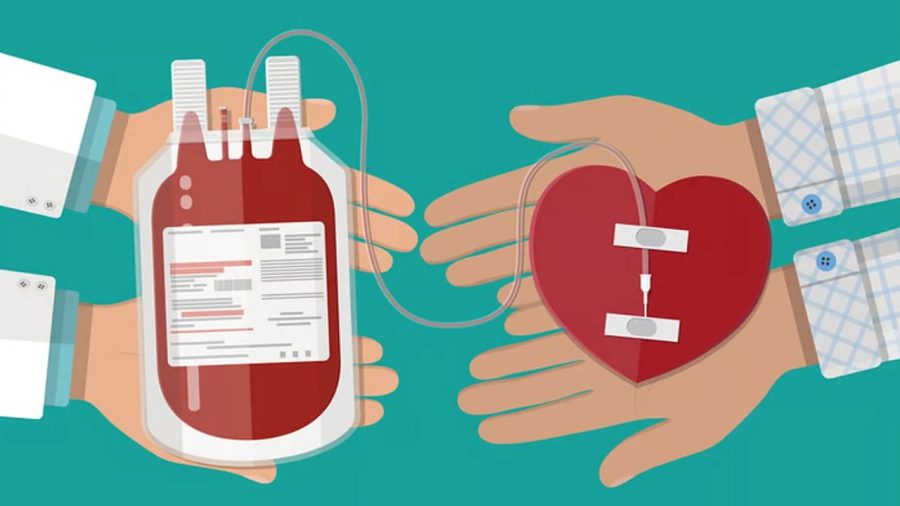



As Bangladesh observes National Voluntary Blood Donation and Post-mortem Eye Donation Day today, allegations of commercial exploitation are discouraging voluntary donors, leaving the country dependent on patients’ relatives and acquaintances to meet annual blood demand.
Only 30 per cent of the blood collected in the country comes from voluntary, non-remunerated donors, while the remaining 70 per cent comes through replacement donations (patients’ relatives or acquaintances), according to the National Safe Blood Transfusion Programme (NSBTP) under the Directorate General of Health Services (DGHS).
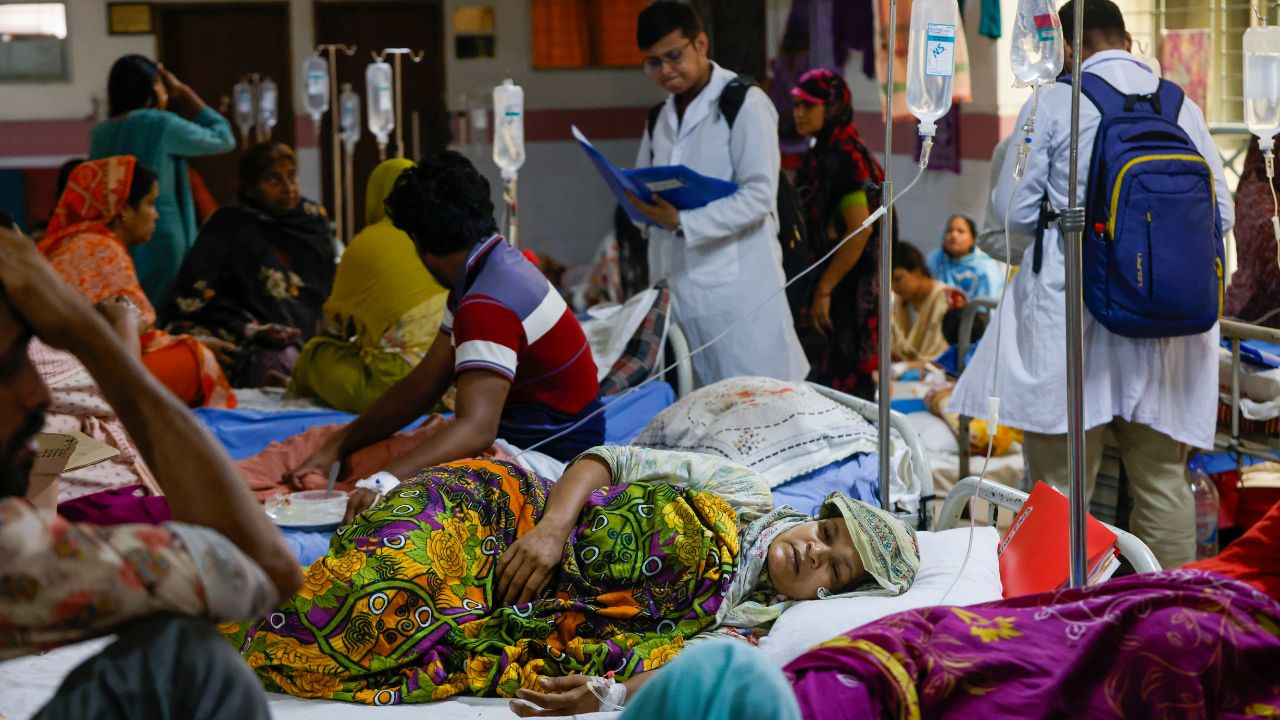
The country requires an estimated 800,000 to one million bags of blood annually, with demand particularly high for women during childbirth, thalassaemia patients and people injured in road accidents. Yet voluntary donation remains far below the level needed to ensure a reliable supply.
For Farhan Kabir (not his real name), who has been living with thalassaemia since infancy, the shortage of willing donors has become an increasingly pressing concern.
Farhan has needed regular blood transfusions since he was 11 months old. Initially, he required blood every three months, but the interval gradually shortened as he grew older.
He now needs a transfusion every 15 days.
Finding voluntary donors was not particularly difficult until his college years. Over the past three years, however, he has struggled to find donors when needed.
He believes the expansion of private blood banks and donor organisations has made it increasingly difficult to find donors outside their networks.

Farhan alleged that some donor organisations offer gifts and crests and publicly congratulate donors on social media after a certain number of donations, encouraging them to remain affiliated with particular groups. As a result, many become reluctant to donate outside their organisations. Allegations of commercial exploitation in blood collection have further eroded confidence in the system, he said.
Kobir Hossain, a Dhaka University student, has been donating blood every four months since he was 18.
He went to donate blood for the injured when a Bangladesh Air Force training aircraft crashed into Milestone School and College in Uttara, Dhaka.
The accident killed 36 people, most of them students, and injured more than a hundred others.
The tragedy triggered a nationwide response, with many people volunteering to donate blood for the injured.
However, several investigative reports later revealed that some of the donated blood had not reached the injured but was instead sold commercially through syndicates of middlemen and certain private blood banks.


The reports left Kobir disillusioned, prompting him to stop participating in voluntary blood donation campaigns. “If blood donated to save lives ends up being traded commercially, donating blood becomes a kind of waste,” he told TIMES.
He still donates blood when someone he knows needs it but no longer participates in voluntary donation campaigns.
Dr Tamanna Afroz, assistant editor of the Bangladesh Journal of Transfusion Medicine (BJTM), said public perceptions and attitudes remained major barriers to voluntary blood donation.
“When someone needs blood, they tend to consider collecting it from someone they know to be safer. This is also rooted in past experiences,” she told TIMES.
There was a time when people donated blood in exchange for money, including individuals with drug addiction. Such experiences have left many reluctant to accept blood from strangers, she said.
Zahidur Rahman, former medical officer at the Bangladesh Red Crescent Society’s Blood Centre, said the country had yet to develop a culture of voluntary blood donation.
“Unless this culture is established, it will not be possible to ensure an adequate supply of quality blood and meet the country’s demand,” he stated.
According to the DGHS’s Safe Blood Transfusion and Thalassaemia Management unit, regular blood transfusions are carried out at 206 government and 172 private blood banks or transfusion centres across the country.
Over the past four years, 3,336,618 blood donations were recorded at the 378 centres. However, most donors were replacement donors who gave blood for patients through family members or acquaintances.
The World Health Organisation (WHO) has repeatedly stressed the need to establish a system based entirely on voluntary, non-remunerated blood donation. Such a system would help ensure an adequate supply of blood and improve transfusion safety, it says.

Around 62 countries worldwide collect all their blood through voluntary donations. In developed countries, an average of 45 people per 1,000 donate blood annually, while the figure is fewer than four in developing countries, including Bangladesh.
The WHO country office in Bangladesh is working with the Ministry of Health and Family Welfare and relevant institutions to increase voluntary blood donation.
A WHO assessment found that despite substantial demand for blood, a portion of the blood collected in Bangladesh remains unused. Inadequate planning to align collection and utilisation with actual demand contributes to the problem.
Murad Sultan, national professional officer for patient safety and blood safety at the WHO, said Bangladesh has made significant progress in strengthening its blood transfusion services.
“To sustain this progress and advance further, awareness-raising initiatives that encourage and inspire people to donate blood need to be strengthened,” he said.
The Bangladesh Red Crescent Society, Sandhani and Badhan have been working for years to promote voluntary blood donation. Quantum Foundation also plays a significant role in collecting and supplying blood.
The foundation says it has provided more than 1.7 million units of blood to critically ill patients since 2000, operates round the clock and has a pool of more than 500,000 registered donors.
Nahar Al Bokhari, chief coordinator of Quantum Foundation’s voluntary blood donation programme, said, “If at least 2 per cent of young people in the country donate blood once a year, Bangladesh could become one of the world’s leading countries in ensuring a safe blood supply. If such a situation can be created, no critically ill patient will have to die due to a shortage of blood.”
Former DGHS director general Prabhat Chandra Biswas stressed the importance of developing a comprehensive database of blood donors, saying it would help the blood transfusion department work more effectively.
Mohammad Zainal Abedin Tito, line director of the DGHS’s Hospital Services Management Programme, said regular voluntary blood donation initiatives must be strengthened to ensure that no one loses their life due to a shortage of blood.
He called on the younger generation to take the lead in the life-saving initiative.