
China has privately urged Iran to use its influence to rein in Yemen’s Houthi rebels following an urgent appeal from Saudi Arabia, as a rapid military offensive by the Iran-backed group along the Red Sea coast threatens vital global shipping lanes and oil supply routes.
According to Iranian sources familiar with the matter, Beijing issued the private diplomatic warning after Riyadh sought Chinese intervention, reports Al Jazeera.
The request followed significant Houthi advances near the strategic Bab el-Mandeb Strait and around the key fronts of Taiz and the Kahbub mountains. The offensive poses a direct threat to Saudi oil exports and infrastructure, prompting Saudi forces to launch retaliatory air strikes near Taiz.
The escalation has already caused casualties within the kingdom. Saudi state television reported that one person was killed and two others were injured in a drone interception over the southwest governorate of Taif.

While China has publicly called for restraint and safe navigation, its private communications were far more direct. Beijing wants Tehran to restrain the Houthis to prevent the conflict from disrupting crucial maritime trade routes. China, the world’s second-largest economy, relies heavily on Middle Eastern energy, importing roughly half of its crude oil from the region and maintaining $300 billion in annual trade with Gulf Cooperation Council states.
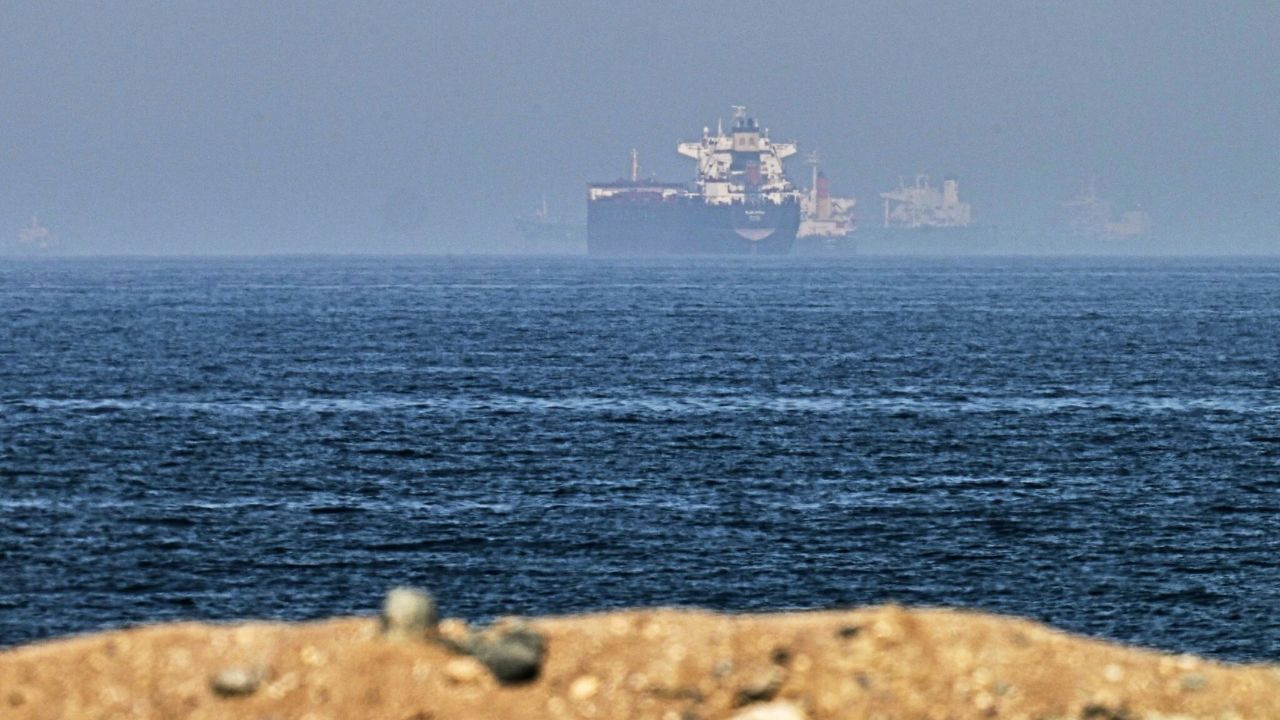
The pressure comes at a precarious moment for global energy markets. With the Strait of Hormuz already experiencing severe blockages, sustained Houthi attacks near Bab el-Mandeb threaten to choke the Middle East’s two primary maritime oil transit corridors simultaneously.
“Beijing is one of the few capitals that can still press Iran to rein in the Houthis,” a senior Western diplomat noted, emphasizing that China relies heavily on stability across both chokepoints.


In response to inquiries, the Chinese Foreign Ministry stated that it “does not wish to see regional tensions further spill over into Yemen and the Red Sea,” adding that escalating instability serves no party’s interests and calling for dialogue to resolve the crisis.
Iranian sources revealed that Tehran responded to Beijing by asserting that regional stability depends on ending US and Israeli hostilities against Iran. Chinese officials reportedly stopped short of issuing explicit economic threats during the talks. However, China remains Iran’s largest trading partner and primary oil buyer, purchasing over 80% of Tehran’s seaborne oil exports in 2025.
Houthi defiance and regional reactions
Addressing the conflict, Houthi leader Abdul Malik al-Houthi rejected calls to halt operations, accusing Saudi Arabia of spreading “propaganda and lies” to cover up military setbacks on the ground.
Al-Houthi claimed his forces were acting defensively against “unjust aggression” and a US-backed siege, citing recent Saudi strikes on Sanaa International Airport as the primary catalyst for the latest escalation.
Meanwhile, regional allies are signaling growing concern over the spillover.
Pakistan’s Defence Minister Khawaja Asif declared that the time has come to enforce the Mecca agreement alongside Saudi Arabia and Turkiye.
Speaking to Pakistani media, Asif reaffirmed Islamabad’s commitment to defending Saudi Arabia and its holy sites.
He confirmed that Pakistan had conveyed Saudi concerns directly to Tehran, adding that Islamabad does not believe Iran intends to open another active conflict front while already embroiled in wider regional volatility.
Despite China’s diplomatic weight and its role in brokering the 2023 Saudi-Iran rapprochement, analysts say it remains uncertain whether Tehran will fully comply with Beijing’s demands, as Iran weighs its economic reliance on China against its broader strategic confrontation with the West.