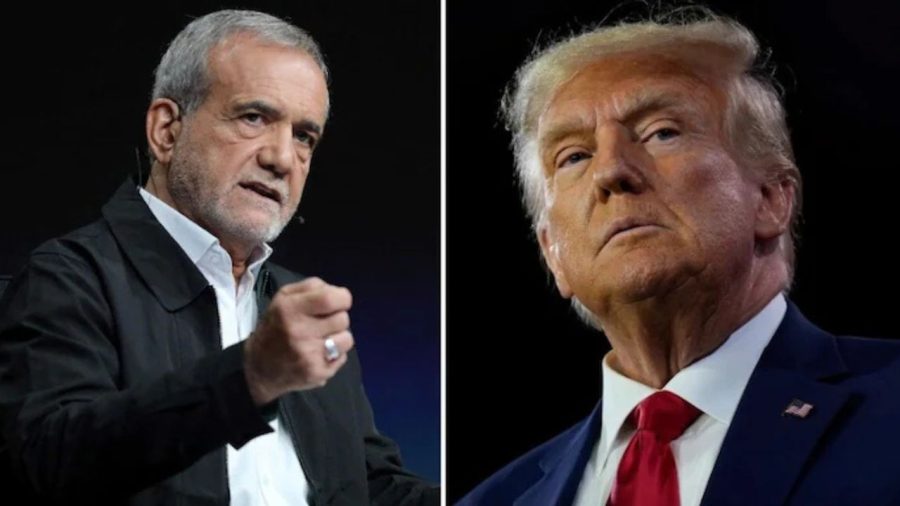

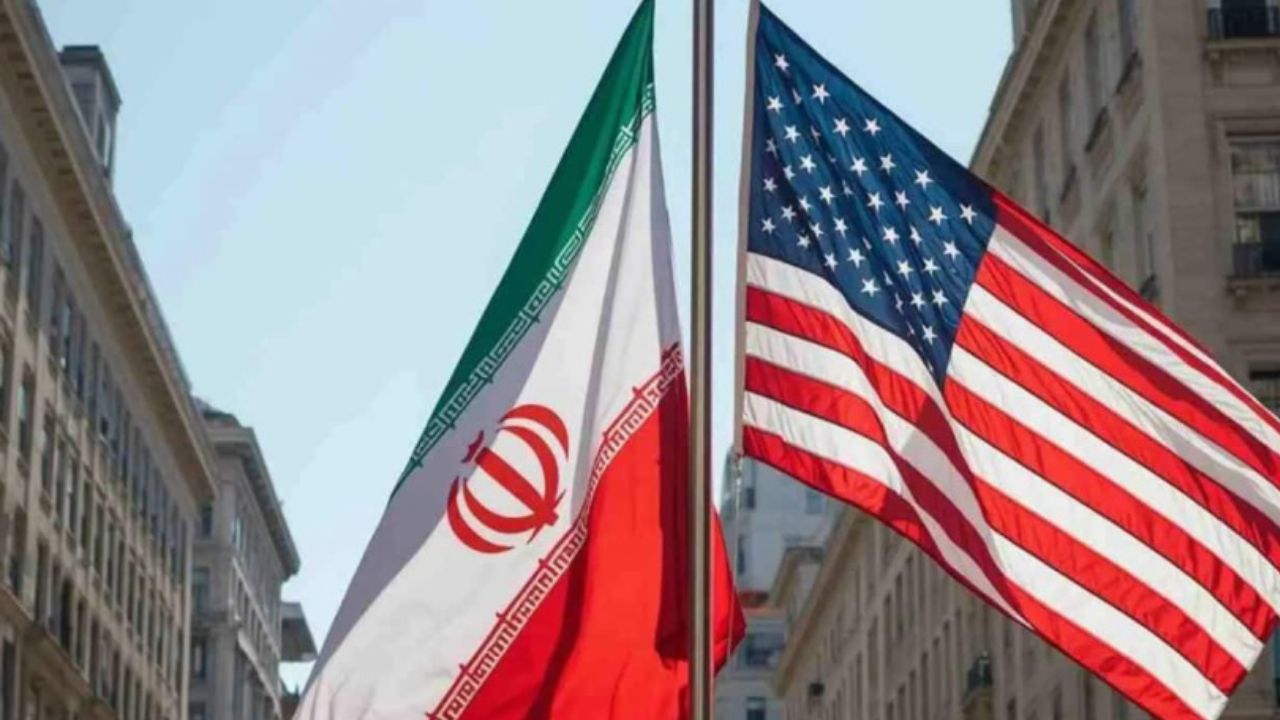
The Trump administration has approved visas for a core delegation of Iranian officials, including President Masoud Pezeshkian and Foreign Minister Abbas Araghchi, to attend next week’s United Nations General Assembly (UNGA) meeting in New York despite the ongoing stalemated war.
The US State Department confirmed on Thursday that the Iranian leaders and essential staffers were granted entry in accordance with Washington’s obligations as the host country of the UN headquarters, reports Gulf News.
Officials noted that the delegation will be smaller than last year’s and subject to strict movement restrictions alongside prohibitions on purchasing luxury and other goods.
Under US policy, Iranian delegates face tight geographical limits on how far they can travel from their UN mission within New York City, as well as explicit bans on shopping at wholesale membership stores such as Costco and Sam’s Club.

The decision comes more than six months into an active conflict that began on 28 February when the US and Israel launched attacks on Iran, prompting Tehran to retaliate with strikes against Israel and Gulf states hosting American military bases.
Although Washington and Tehran have maintained intermittent, on-again, off-again negotiations aimed at ending the war, there are no indications that agreements to reopen the Strait of Hormuz or resume talks on Iran’s nuclear programme are near.


Regional instability has been further heightened as Iranian-backed Houthi rebels in Yemen have stepped up attacks on Saudi infrastructure and Red Sea shipping, contributing to a surge in global oil prices.
Moreover, Washington continues to designate Iran as a leading state sponsor of terrorism, maintaining heavy sanctions and executing campaigns to sever its critical financial lifelines.
During last year’s UN session – held prior to the outbreak of the war, but following US and Israeli air strikes on Iranian nuclear facilities in June 2025 – similar rigid diplomatic travel limitations were enforced.
The approval for the Iranian delegation was announced just a day after the State Department refused visas for Palestinian President Mahmoud Abbas and his delegation to attend the UNGA session.
Washington justified the denial by accusing the Palestinian Authority of attempting to “internationalise” the Gaza conflict through legal actions at the International Court of Justice (ICJ) and the International Criminal Court (ICC), as well as paying stipends to prisoners jailed in Israel.
The Palestinian Foreign Ministry condemned the US decision, warning that punitive measures against Palestinian officials weaken partners committed to peace and undermine the prospects of a two-state solution.
Although the US does not recognise the Palestinian Authority as the government of a full UN member state, the UN General Assembly and its affiliated bodies do.