
Ukrainian forces launched more than 1,000 drones at Russia overnight into Sunday, including several hundred directed at Moscow, officials said, in an assault that coincided with the final day of Russia’s parliamentary elections. The Kremlin confirmed two people were killed and 20 injured in the wider Moscow region, while the capital’s mayor described the strike as the largest ever mounted against the city, reports AP.
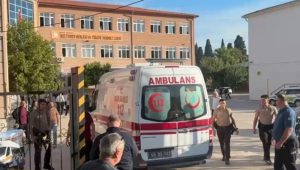
Moscow Mayor Sergei Sobyanin said 450 drones bound for the capital had been intercepted, though the attack still caused damage to the Moscow Oil Refinery and a residential building. Regional governor Andrei Vorobyov said the dead were a 74-year-old man and a 44-year-old woman. Russia’s defence ministry said its forces had downed a total of 1,100 Ukrainian drones nationwide, including over the annexed Crimean peninsula and the Black Sea.
President Volodymyr Zelensky said on social media that Kyiv had employed a mix of missiles and drones in the strikes, including its domestically produced Flamingo and Pelican missiles, targeting oil and logistics infrastructure. He framed the attack as part of a strategy to inflict lasting financial damage on Moscow’s war effort. “These are billions of dollars that sustain the war machine,” he wrote.

Sobyanin characterised the assault as a deliberate attempt to disrupt the vote, insisting it had failed to do so. “The enemy failed in this regard,” he said, referring to the “unprecedented attack” on the Russian capital.
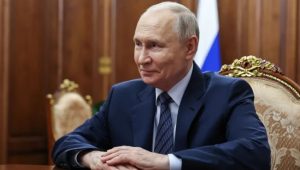
The drone strikes came as polls closed on the third and final day of Russia’s first wartime parliamentary election, a vote conducted with virtually no meaningful opposition to President Vladimir Putin and expected to further entrench Kremlin control over the legislature. Balloting also took place in the four Ukrainian regions that Russia illegally annexed after launching its full-scale invasion, despite not fully controlling any of them, as well as in Crimea, seized by Moscow in 2014. Kyiv has repeatedly condemned the holding of elections in occupied Ukrainian territory as unlawful.



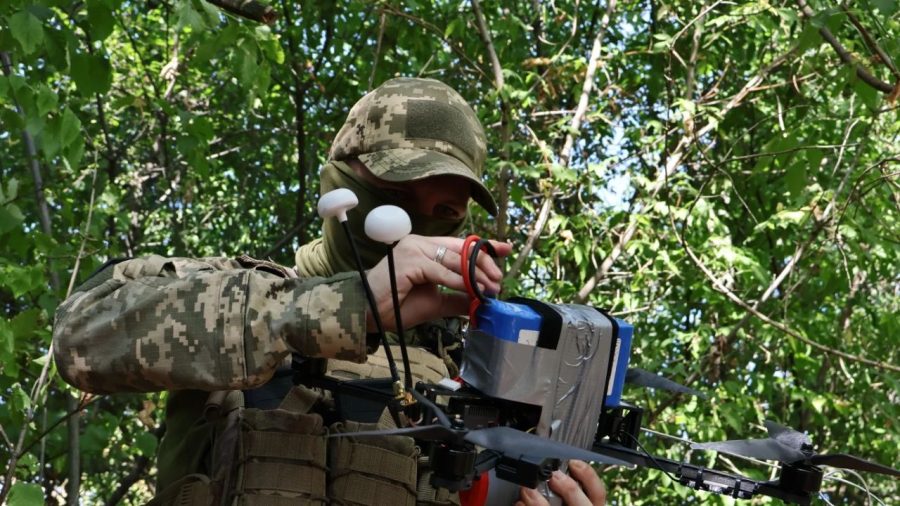
Since Russia’s invasion began more than four years ago, Ukraine has emerged as a leading force in military drone technology, developing long-range drones that it now deploys alongside missiles for strikes deep within Russian territory. The sophistication of Kyiv’s drone programme has drawn attention from foreign governments and defence manufacturers, several of whom have studied Ukrainian innovations for their own military planning.
Kyiv’s strategy of striking deep into Russia is intended in part to bring the war’s consequences home to the Russian public, piling pressure on Putin to pursue a negotiated settlement. Putin, however, has given no indication he intends to halt the invasion, and both sides have instead become locked in an escalating exchange of long-range strikes on each other’s territory.
That aerial exchange has intensified even as the roughly 1,250-kilometre front line across eastern and southern Ukraine has become increasingly static, with the proliferation of drones and ground robots on both sides making troop movements more hazardous and slowing the pace of ground fighting considerably.
The overnight barrage marks one of the most significant escalations in the long-range drone war between the two countries, coming at a symbolically charged moment as Moscow sought to project a sense of normalcy during its election proceedings. Ukrainian officials have signalled they intend to continue targeting facilities they say directly fund Russia’s military operations, while Russian authorities have vowed to continue intercepting future waves of attacks aimed at the capital and other strategic sites across the country.