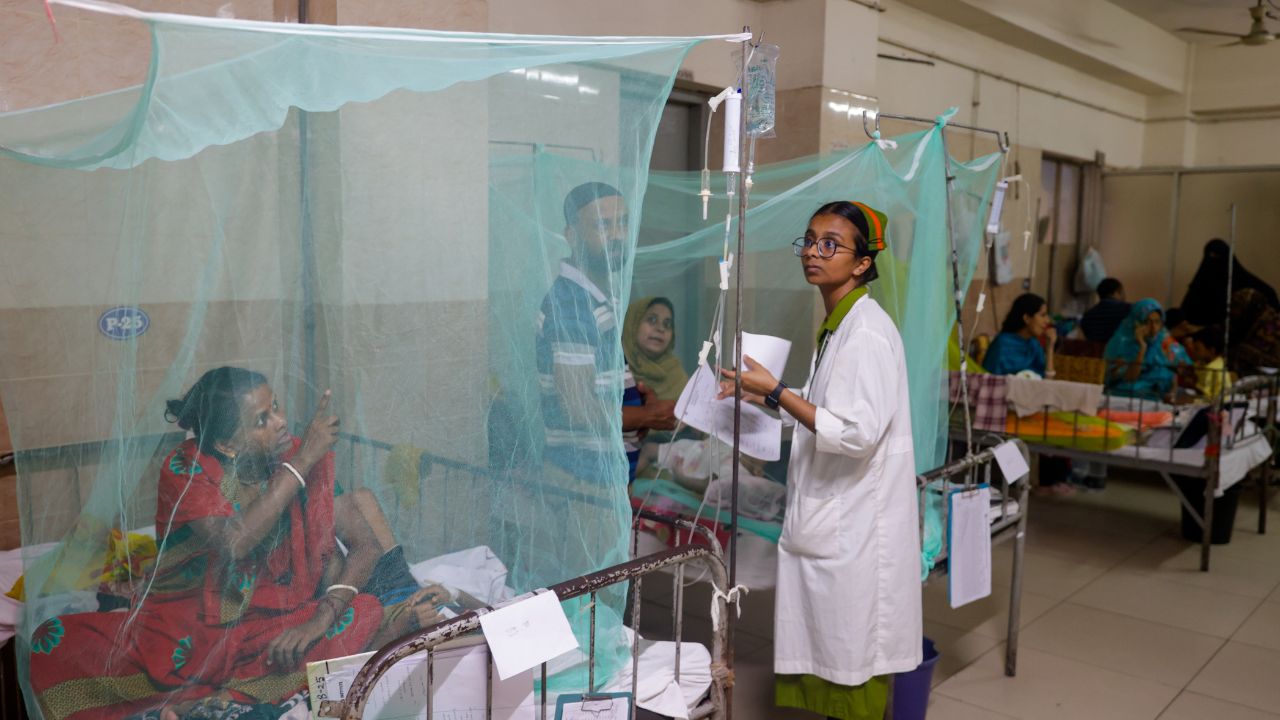
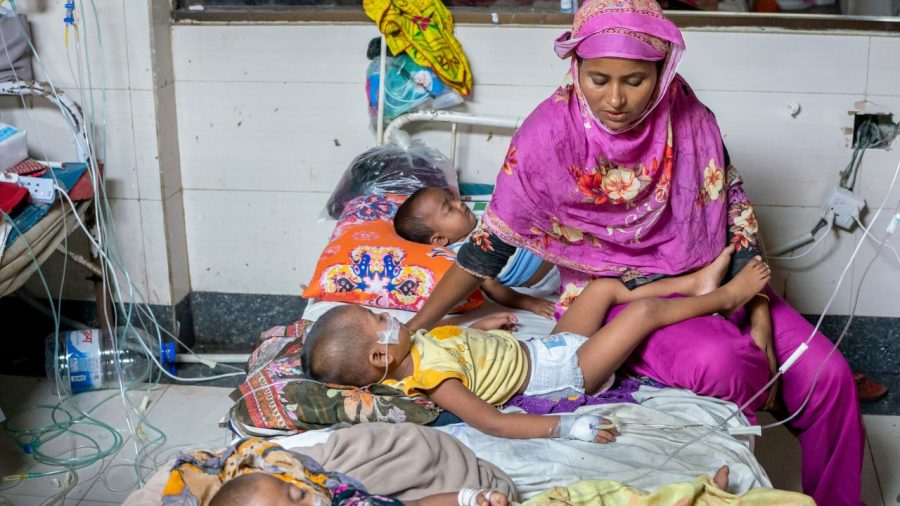

Nearly half of children infected during a recent measles outbreak in the Chattogram division were too young to receive their first scheduled vaccine, whilst genomic analysis revealed that a single, identical virus variant was responsible for all sequenced cases.
A study of 300 infected children aged between two months and 11 years – conducted by the Esperia Health Research and Development Foundation alongside Chattogram Medical College’s Paediatric Research Group – found that 46 per cent were under nine months old. Under Bangladesh’s Expanded Programme on Immunisation (EPI), nine months is the minimum age for administering the initial measles-rubella (MR) dose.
Furthermore, 65.7 per cent of the cohort (197 children) had received no measles vaccination whatsoever. Of these, 91 were below the eligible immunisation age. Parental oversight or lack of awareness was the leading reason for missing routine jabs, accounting for 52 per cent of unvaccinated cases, followed by intercurrent illness (30 per cent) and fear of side effects (4 per cent).
Lead researcher Dr Kamrun Nahar, Associate Professor of Child Health at Chattogram Medical College Hospital, emphasised that unvaccinated infants played a central role in driving transmission. “The rate of infection and secondary complications among children under one year is deeply concerning,” she warned during the presentation of the findings.

The demographic breakdown revealed that 75.5 per cent of infected subjects resided in rural areas, and 64.8 per cent hailed from lower socio-economic backgrounds.
A single genetic lineage
Whole-genome sequencing of 17 viral samples, collected from Chattogram Medical College, Cumilla Medical College, Cox’s Bazar Medical College, and Maa-O-Shishu Hospital, confirmed the presence of the B3 genotype in 100 per cent of cases.
Researchers noted that the strain matches B3 variants previously catalogued both nationally and globally, including public genomic data submitted across Bangladesh in 2026. This genetic uniformity offers crucial epidemiological clarity regarding the outbreak’s origin and spread.


Vitamin A deficits, malnutrition elevate risk
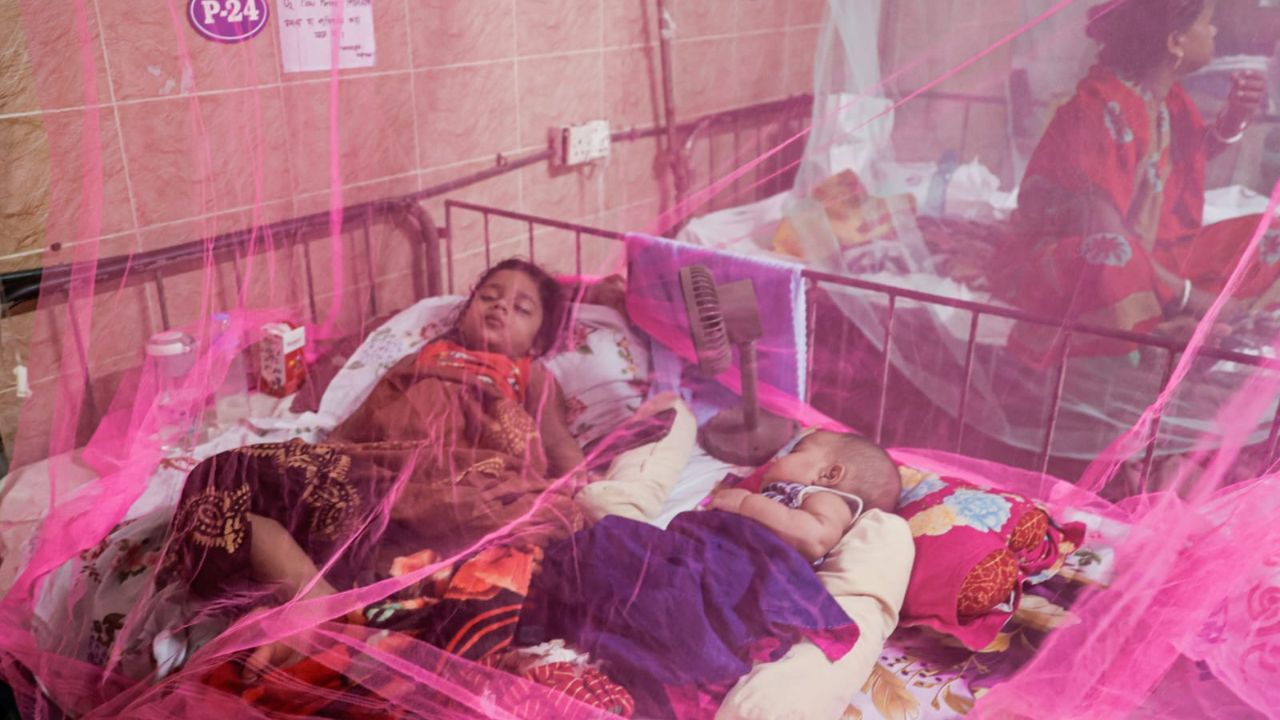
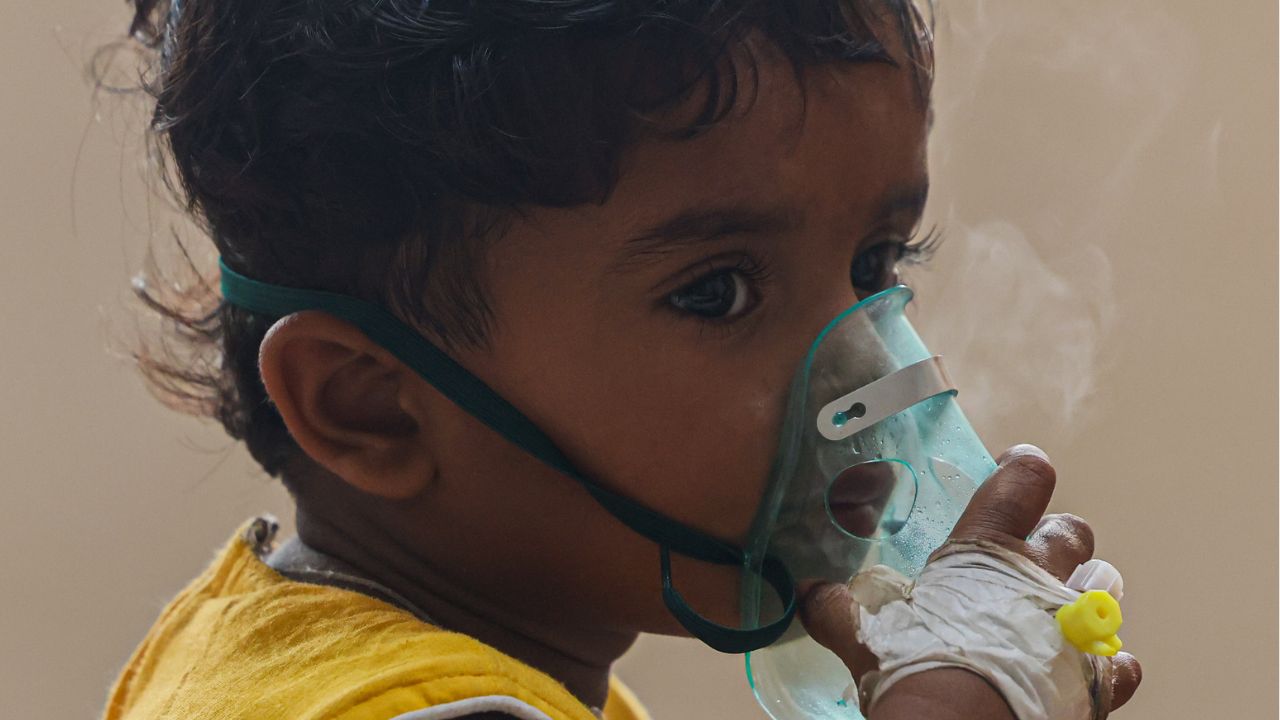
The investigation highlighted a stark correlation between nutritional deficiencies and disease severity. Nearly one-third of the children suffered from baseline malnutrition, and only 32.1 per cent had received vitamin A supplementation within the preceding six months.
Alarmingly, 60 per cent of children who missed vitamin A supplementation went on to develop severe, complicated measles. Severe obesity was similarly identified as a significant risk factor, multiplying the odds of clinical complications nearly 24-fold.
Maternal immunity also influenced outcomes. Among children whose mothers reported never receiving a measles vaccine, 55 per cent developed severe complications. Conversely, no child of a vaccinated mother experienced severe disease. However, researchers noted that antibody detection alone in mothers does not automatically guarantee infant immunity, advocating quantitative testing to measure precise protective thresholds.
Call for earlier outbreak vaccination
To bridge the critical window of vulnerability in infants, the research team recommended lowering the initial MR vaccination age to six months during active outbreaks in high-risk zones.
While vaccine efficacy increases with age – from roughly 50 per cent at six months to 85 per cent at nine months and 95 per cent at 12 months – early administration during a surge can offer vital immediate protection.
Countries such as China, Colombia, Cambodia, Malaysia, and South Africa already deploy early immunisation strategies between six and eight months when facing heightened transmission.
Researchers stressed that any supplementary dose given before nine months must be followed by standard routine doses to ensure long-term immunity.
The study further urged policymakers to boost national routine coverage past the 95 per cent threshold, strengthen catch-up campaigns in underserved rural regions, and introduce MR or MMR vaccination for women of childbearing age (15-45 years). Additionally, healthcare facilities were advised to implement strict isolation, triage protocols, and improved ventilation to limit nosocomial spread.
Speaking as chief guest at the report’s publication event, Chattogram City Corporation Mayor Dr Shahadat Hossain, alongside Chattogram Medical College Principal Dr Jasim Uddin, endorsed the findings, calling for swift public health measures to safeguard vulnerable children.