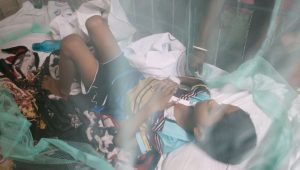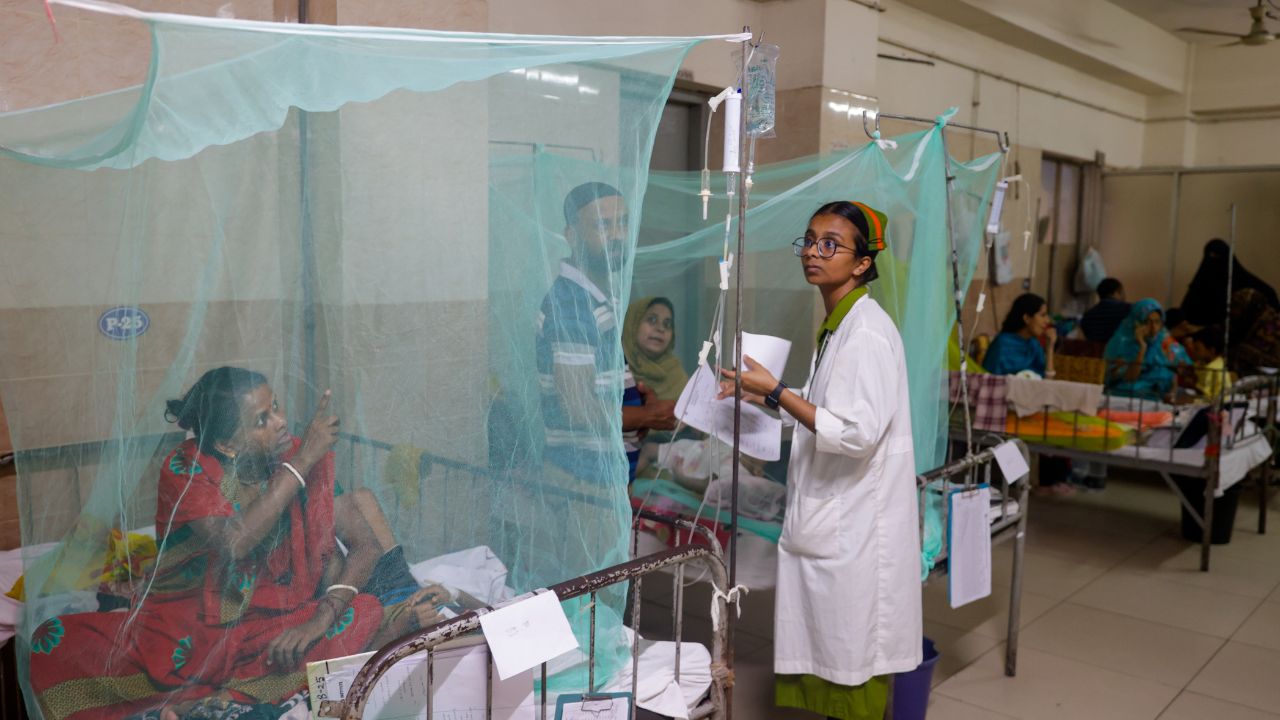



Nur Islam is admitted to the National Institute of Traumatology and Orthopaedic Rehabilitation (Nitor), commonly known as Pongu Hospital, in the capital with a serious leg injury. He has undergone surgery to repair a damaged tendon.
A doctor used to dress his wound every day. But on Friday, morning passed into afternoon without a doctor visiting him.
Friday is the weekly holiday in Bangladesh, and almost all senior doctors at government and private hospitals across the country are off duty. Trainees and junior doctors mainly take over, meaning surgeries, follow-up treatment and routine care are delayed.
For critically ill patients admitted on Thursday night, that can mean receiving little treatment before Saturday. There have also been reports of patients dying after emergency operations were delayed.
Gias U Ahsan, professor of public health at Daffodil International University, told TIMES, “Illness does not come according to a timetable. If the government wants, it can keep services running at government hospitals.”
Since Health Minister Sardar Md Sakhawat Hossain took office and began a series of inspections at hospitals across the country, however, the situation at several hospitals has started to improve.
Doctor attendance at Dhaka Medical College Hospital has increased on Fridays. Services at Shaheed Suhrawardy Medical College Hospital have also improved somewhat, while the situation at Bangladesh Shishu Hospital appears comparatively better.
An instruction was issued in May to keep hospitals fully operational on weekly holidays for the treatment of measles patients. But Pongu Hospital remains largely unchanged.
Lying in his bed, Nur Islam said, “Specialist doctors do not come on Fridays. A nurse comes to the ward from time to time and makes rounds.”
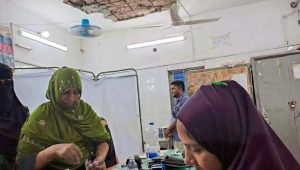
Admitted patients were seen relying on nurses for urgent needs. Although doctors were present in the emergency department, regular ward-based treatment and diagnostic services were limited.

Fewer nurses were also seen on duty than on other days.
A large proportion of patients at the hospital are injured in road crashes and other accidents. The emergency department alone cannot cope with the pressure, leaving many patients to wait until Saturday while suffering from their injuries.
Asked why services remain limited on the weekly holiday at a hospital that receives injured patients every day, Mir Anwar Hossain, assistant director of the Primary Health Care Division of the Directorate General of Health Services, told TIMES, “Since the beginning of my career, I have seen primary healthcare remain closed on Fridays. Only emergency healthcare remains open.”
“If the government decides that it will remain open, we will keep it open, but we have a manpower shortage,” he said when asked whether people would stop falling ill on Fridays and whether their treatment should remain suspended.
Professor Ahsan said Friday was often the only day many people could seek treatment.
“In our country, people work throughout the week and get Friday off. For many, that is the only day they can go to a doctor. So, the government should keep healthcare services running on Fridays as well,” he said.
He said healthcare services remain open 24 hours a day, seven days a week in many countries. In Thailand, people can also seek treatment at hospitals on public holidays, he added.

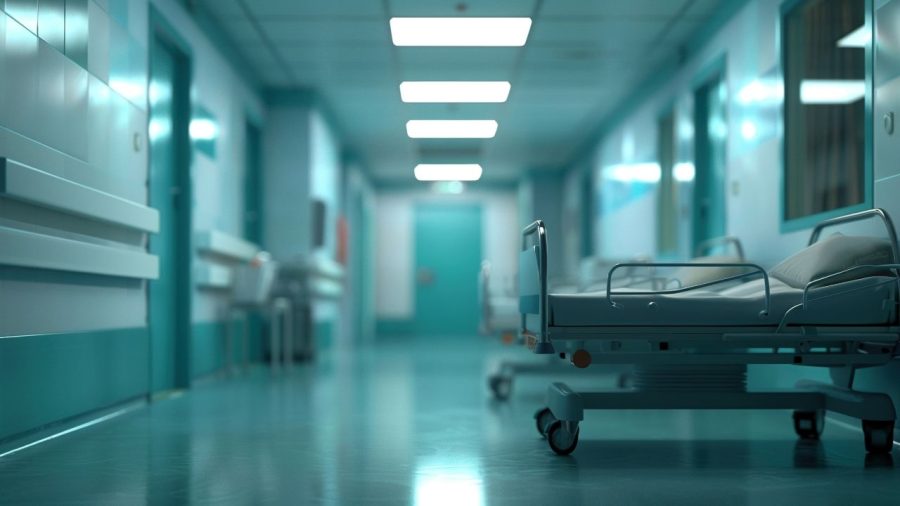
Acknowledging that doctors also need time off, Professor Ahsan said services could be kept running through a roster.
“If someone works on Friday, they can be given another day off. What is needed is proper planning and manpower management. If rosters are prepared properly, healthcare can be provided to patients even on holidays,” he said.
At Shaheed Suhrawardy Medical College Hospital, the presence of senior doctors was limited on Friday.
The outpatient ticket counter was closed with no routine tests conducted, forcing patients to go to private diagnostic centres, where many tests are also unavailable on Fridays.
However, alongside emergency services, limited in-patient treatment and some necessary diagnostic services were available for admitted patients. Hospital staff said this was a recent change.
At Bangladesh Shishu Hospital and Institute, Rehana Begum arrived from Habiganj with her two-year-old grandson.
The child, suffering from pneumonia, was brought to Dhaka after his condition worsened around midnight on Thursday. A doctor in the emergency department examined him and ordered several tests.
Despite it being a holiday, Rehana was able to have all the tests done.
“If I had had to go outside for tests after coming here on a holiday, it would have cost more time and money,” she said.
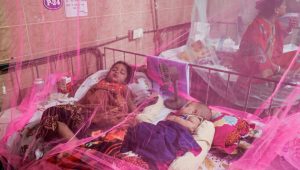
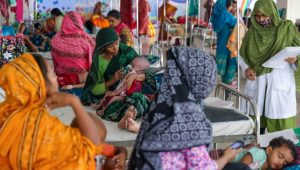
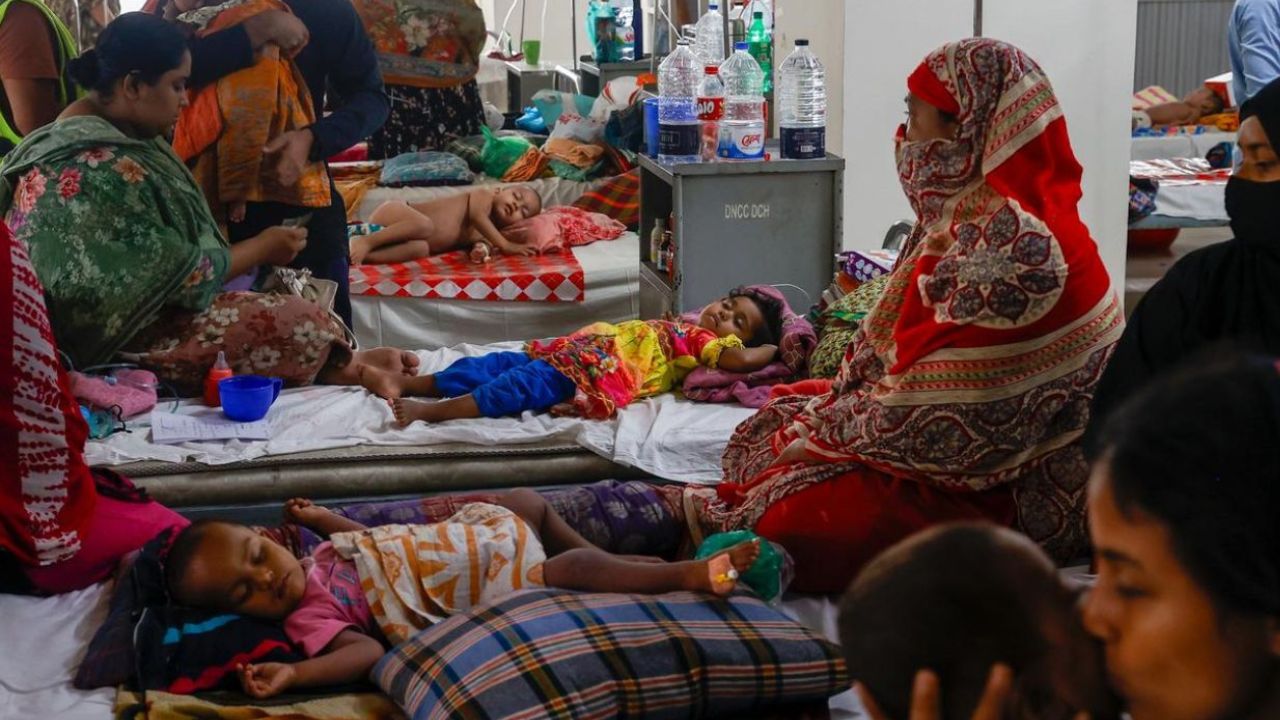
A large number of children admitted to the hospital are suffering from measles, dengue, pneumonia and other complications. Relatives said medical teams continued ward rounds in the morning and afternoon even on Fridays.
Dhaka Medical College Hospital authorities were also seen to be active.
On Friday, alongside intern doctors, three or four doctors were on duty in different wards and carried out regular rounds.
One doctor said staff had to work on holidays according to a roster.
“Patients come to Dhaka Medical from across the country, so the pressure is high. As a result, there is no break in duty even on holidays,” the doctor said.
Public health expert Mohammad Mushtuq Husain told TIMES that the situation nationwide could not be judged from only one or two hospitals.
“Regular or routine activities remain limited at all hospitals on holidays. However, emergency services remain open. The hospital administration also decides how many doctors will be on duty on holidays and whether they will be senior or junior doctors,” he said.
Asked whether healthcare, as an essential service, should remain available seven days a week, he said junior doctors usually contact senior doctors by phone if they cannot immediately deal with a complicated case.
“However, how many doctors will be on duty compared with the number of patients is mainly an administrative decision of the institution concerned,” he said.
And the issue is not limited to government hospitals. The scenario is all too similar in private hospitals.
Almost all senior doctors remain on leave there too, while trainee and junior doctors handle ward duties. Many diagnostic tests are also delayed on Fridays.
Although hospital treatment remains limited, doctors see more patients in their private chambers on Fridays. In many cases, they travel from Dhaka or other major cities to district towns to see patients.
The government has occasionally tried to address the issue.
Last May, when it was facing criticism over deaths from measles, the Directorate General of Health Services instructed hospitals to ensure the continuous presence of doctors.
The directive, issued on 19 May to all government and private hospitals, said specialist doctors must conduct ward rounds in the morning and afternoon every day, including holidays.
It also called for sufficient manpower to keep medical services running 24 hours a day in every specialised ward.
People are still dying from measles every day, while the dengue outbreak has also intensified, with delays in treatment potentially worsening patients’ conditions.
In August, the health ministry assigned 69 officials to regularly inspect and monitor government hospitals across the country.
Their responsibilities include monitoring the attendance of doctors and health workers, digital attendance, hospital management, equipment, cleanliness and overall services.
However, instructions addressing increasing attendance on weekly holidays were notably absent.