


Every year, when the eighth month of the Chinese lunar calendar reaches its fifteenth day, something magical happens. The moon becomes full, round, and bright. Families gather. Mooncakes are shared. Lanterns light up the night sky. This is the Mid-Autumn Festival, known in Chinese as Zhongqiu Jie. This year, it fell on September 25.
For more than 3,000 years, the festival has been celebrated in China. It began as a royal ceremony to worship the moon and give thanks for the harvest. Farmers looked to the moon’s changing shape to guide their planting and harvesting. They believed that honouring the moon would bring good crops and good fortune. Over time, the festival grew into something deeper. It became a time for family reunion, for gratitude, and for hope.
Today, the Mid-Autumn Festival is the second most important festival in China after the Chinese New Year. People living in mainland China enjoy a day off. Families come together for dinner. They eat mooncakes, admire the moon, light lanterns, and share stories. The round shape of the moon and the mooncake both symbolise completeness and togetherness. In the Chinese mind, round means reunion, everyone is together, and no one is missing.
But here is the beautiful thing: the Mid-Autumn Festival is no longer only for Chinese people. It is becoming a festival for the world. Foreign visitors to China are discovering this festival with joy. They are not just watching from the outside. They are joining in. In Xi’an, a city famous for its ancient history, tourists from around the world have been making mooncakes themselves. They have been folding dumplings, painting lacquer fans, and enjoying traditional song and dance performances. Laura, a visitor from Germany, is one of them. She came to China curious about its culture. She left with a piece of it in her heart.
This is happening because China has made it easier for people to visit. Visa-free policies have been expanded. More international travellers are coming to see China for themselves. Official data shows that foreign nationals made nearly 61.29 million border crossings in the first eight months of this year. That is up 19.5 percent from a year earlier. These numbers are not just statistics. They represent millions of human connections. Every visitor who tastes a mooncake, watches the moon rise over a Chinese city, or shares a meal with a Chinese family, becomes a bridge between cultures.

In Singapore, Malaysia, and among Asian American communities in the United States, people gather to honour this special night. The date is the same. The mooncakes may look a little different. The lanterns may be of different shapes and colours. But the feeling is the same. It is the feeling of home. It is the warmth of family. It is the quiet hope that everyone we love is safe and happy.
In Bangladesh, the Mid-Autumn Festival is also finding a home. The growing Chinese community there, along with cultural centres and hotels, organises events to celebrate. These events bring together Chinese and Bangladeshi people. They share food. They share stories. They share laughter. In a world that sometimes feels divided, these small gatherings matter. They remind us that we have more in common than we think.
This is the power of the Mid-Autumn Festival. It speaks a language that everyone understands. It speaks the language of longing. It speaks the language of love. It speaks the language of belonging. You do not need to speak Chinese to understand the joy of a family reunion. You do not need to know the legend of Chang’e to feel the peace of a full moon. These are human experiences. They belong to all of us.


The Mid-Autumn Festival is also a harvest festival. It is a time to give thanks for what we have. In ancient times, people worshiped the moon to ask for a good harvest. They believed that the moon’s light would bring abundance in the coming year. Today, most of us do not farm. But we still have much to be grateful for. We have food on our tables. We have roofs over our heads. We have people who love us. The Mid-Autumn Festival reminds us to pause and appreciate these gifts.
It is also a time to look forward. The full moon is a symbol of completeness. It represents the hope that all good things will come together. It represents the wish that families will be reunited. It represents the dream of peace and harmony in the world.
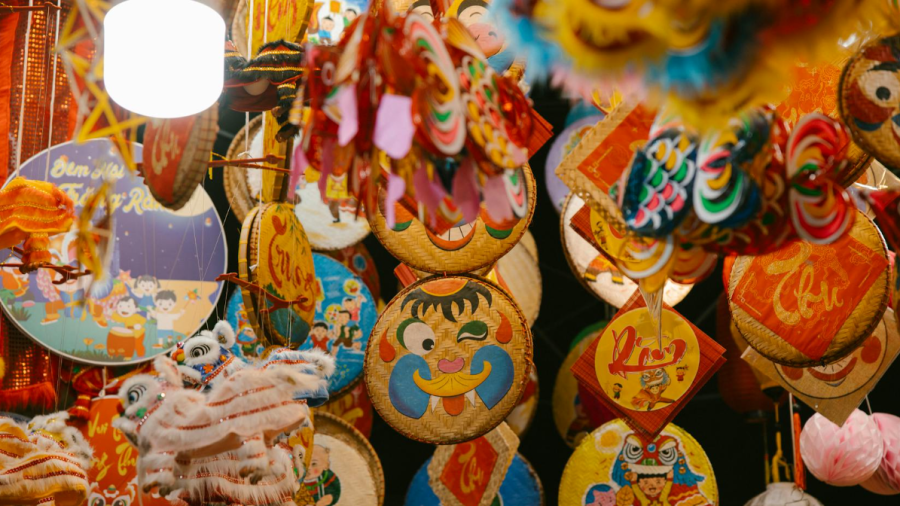
In modern times, people celebrate in new ways. Many send red envelopes to friends and family. Some travel during the holiday. Others attend public lantern displays. Lanterns have been part of the festival since the Tang Dynasty, more than a thousand years ago. They symbolise luck, light, and togetherness. People make lanterns in the shapes of animals, plants, and flowers. They write riddles on them and challenge their friends to solve them. These simple games bring people closer. They create memories. They build bonds.
A July survey by the Pew Research Center found that a median of 46 percent of respondents across 20 countries held a favourable view of China. That is up from 32 percent in 2023. This shift shows that cultural exchange works. When people meet each other, when they share meals and stories and traditions, they grow to understand each other. Understanding leads to respect. Respect leads to friendship.
The Mid-Autumn Festival is a perfect example of this. It is not a political event. It is not a commercial event. It is a human event. It touches something deep in all of us. It reminds us that we all want the same things. We want to be safe. We want to be loved. We want to belong. We want to know that we are not alone.
This is the heart of the festival. It is a single moon, but it reflects the longing and hopes of all Chinese people and people around the world. It tells the story of home. It stirs a universal human yearning for belonging.
The moon knows no borders. Neither does longing. Neither does love.
So, on this Mid-Autumn Festival, let us wish happiness and peace to everyone. To the families in China who gather for dinner. To the workers far from home who look at the moon and think of their parents. To the foreign visitors who are discovering this beautiful tradition for the first time. To the people of Bangladesh, Singapore, Malaysia and America and every corner of the world who celebrate in their own way.
May the full moon bring you completeness. May the mooncakes bring you sweetness. May the lanterns light your path. May you be surrounded by people who love you. May you find your way home, wherever that may be. Happy Mid-Autumn Festival to all. May we all live under the same bright moon, connected by the same quiet hope for peace, for reunion, and for love.
The writer is a journalist and columnist