


Bangladesh has invested enormously in education. Millions of young people enter schools, colleges and universities every year hoping education will lead to a better life. Yet one fundamental question deserves urgent national attention: Are we educating young people mainly for examinations and certificates, or are we preparing them for life, work and responsible citizenship? This is not an argument against academic education. Bangladesh needs strong universities, researchers, scientists, doctors, engineers, teachers and other professionals. But academic qualifications alone cannot address the challenges created by unemployment, underemployment, skills mismatch and rapidly changing labour-market demands.
From my experience working with people and organisations in Bangladesh and internationally, I have repeatedly seen a gap between educational qualifications and workplace requirements. Many graduates complete years of education but enter employment without sufficient practical skills and must undergo further training. Young Bangladeshis seeking employment abroad can face similar difficulties when they lack occupational, technological, language and workplace skills.
The World Bank/ILO modelled series illustrates the scale and changing nature of the youth-employment challenge. Bangladesh’s youth unemployment rate was 6.04% (1991), 9.74% (2000), 6.29% (2010), 10.56% (2015) and 13.47% (2020). It then declined to 12.72% (2021), 10.99% (2022) and 7.91% (2023), before rising to 9.10% (2024) and 9.39% (2025). The figures do not represent a continuous year-by-year increase. They demonstrate why Bangladesh needs a stronger discussion about the transition from education to employment.
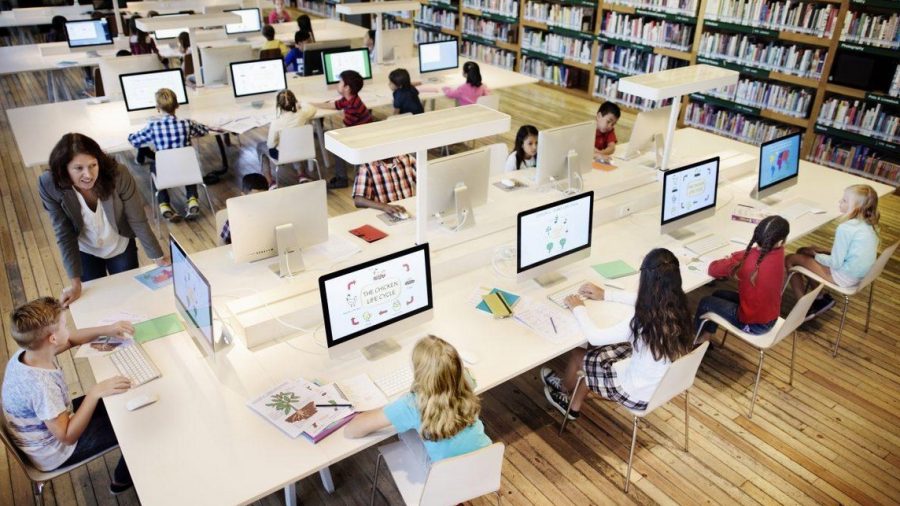
Bangladesh’s greatest national resource is its people. If our young population receives quality education combined with practical skills, technology, entrepreneurship, creativity and moral and social responsibility, it can become a powerful engine of productivity, innovation and prosperity. Education should therefore be considered not only a pathway to academic qualifications, but also a national human-capital and productivity strategy. An alternative approach could connect classroom learning with real-world application. Digital literacy, communication, critical thinking, professional skills, entrepreneurship, research and responsible citizenship should become interconnected elements of education. The objective should be to produce not merely certificate holders, but capable human beings who can learn, work, create, adapt and contribute to society.

Alternative education should also address the rural-urban divide. Digital technology creates opportunities for young people outside Dhaka and other major cities. Training in software development, digital marketing, graphic design, e-commerce, BPO, IT-enabled services, freelancing and remote work could open new economic possibilities, provided connectivity, infrastructure and market access are available. Agriculture, horticulture, environmental sustainability and locally relevant industries could similarly be combined with technology and entrepreneurship. The objective should be to develop both job seekers and job creators.
Economic productivity is important, but it cannot be the sole purpose of education. A healthy society also needs honesty, integrity, discipline, compassion, respect, responsibility and service to others. The challenge is to bring competence and character together. Peace cannot endure without integrity, and only responsible citizens can serve as the key architects of harmony and a balanced environment within the family and society. Peace will not sustain long-term without honesty, and responsible citizens can only be the harmonising tools within family & society.



An important question is whether Bangladesh should experiment with alternative education models that can be measured against employment, entrepreneurship, productivity, innovation, social responsibility and further-learning outcomes. A carefully designed pilot could involve government, universities, industry, employers and education specialists. Independent evaluation could determine which elements work and whether they should be expanded. Such an approach would allow Bangladesh to innovate without unnecessarily disrupting the existing education system.
Many developing countries face youth-employment challenges, skills mismatches, technological disruption, migration pressures and rapidly changing labour markets. A successful Bangladeshi model could therefore eventually generate lessons for other developing countries.
Bangladesh should begin a serious national conversation about what education should accomplish in early ages. Should a young person leave education primarily with certificates – or with demonstrable skills, workplace experience, research capability, digital competence, entrepreneurial awareness and a strong sense of social responsibility?
The existing system has produced many achievements, and reform should build on those strengths rather than dismiss them. But the future economy will demand continuous learning, adaptability and practical capability. Bangladesh has an opportunity to transform its large young population into its greatest human-capital advantage.
The views expressed in this article are solely those of the author
The writer is the Marketing Director, Tsubasa Works-Tanaz