


There appears to be an icebreaker between Dhaka and Delhi as the two sides have resumed discussions on the possible visit of Prime Minister Tarique Rahman to India, after an earlier attempt in August did not materialise.
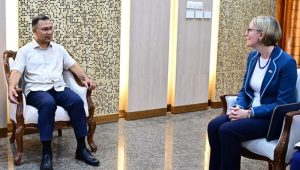
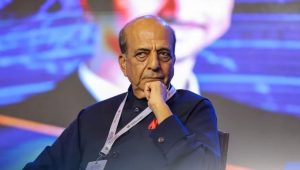
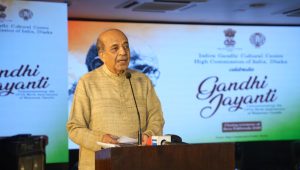
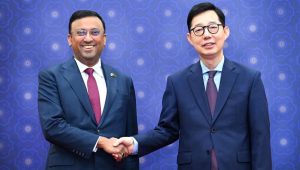
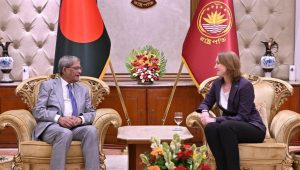
The possibility of the visit to India has returned to the diplomatic agenda as the issue came up during Indian High Commissioner Dinesh Trivedi’s meeting with State Minister for Foreign Affairs Humaiun Kobir on Tuesday, as the two sides seek to improve bilateral ties.
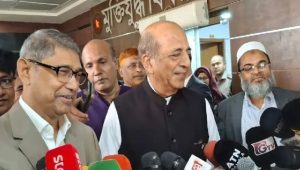
After the meeting, Kobir said Dhaka was hopeful of progress in the near future.
“I am very positive that we may have positive outcomes in the very near future. Challenges are there, and we will overcome these challenges through talks. So, we will do a visit when the environment is conducive, based on mutual respect,” he told reporters.
Trivedi also said there was no need to rush the visit and that India’s invitation to Tarique remained open. He said the visit would take place at a mutually convenient time.
Diplomatic sources and experts say a summit-level visit involves political, symbolic and substantive considerations, and its success would depend primarily on rebuilding confidence between the two sides.

Former ambassador Md Sufiur Rahman told TIMES that sustained engagement was essential.
“There is no alternative to engagement. We need to talk for carrying out bilateral businesses. But it is more important to determine what business both parties need to carry out,” he said.
Both capitals have their own agendas, domestic political considerations and constituencies, he said, adding that a clearer understanding of each other’s sensitivities would be necessary to prevent further deterioration and maximise the benefits of bilateral engagement.


A former ambassador, speaking on condition of anonymity, said the two sides had handled the proposed August visit too transactionally.
“A transactional relationship is not a solution. Both countries overplayed their hands in August when there was talk about the Prime Minister’s visit. Delhi pushed strongly for the visit without creating the confidence, while Dhaka felt it would not be wise to go without any clarity and when there was an unreasonably strong push from India,” he said.
He said timing remained particularly important in diplomacy.
“If the prime minister visits India this time, it will indicate that the Sheikh Hasina issue will be a lesser issue, if not fully delinked from the broader bilateral relationship,” he added.
The question of Sheikh Hasina remains one of the most sensitive issues between Dhaka and Delhi. The deposed prime minister has been living in India since leaving Bangladesh in August 2024, and Dhaka has sought her extradition. She has also continued to make public statements about Bangladesh.
On 5 August, Hasina appeared virtually at a press conference and spoke against the BNP-led government, prompting a strong reaction from Dhaka. The episode came amid discussions about Tarique’s possible India visit and contributed to the decision not to proceed with the proposed August trip.
More recently, Hasina told NDTV that she intends to return to Bangladesh by December and said discussions and speculation were continuing, although she did not disclose details of any official or back-channel communication with Dhaka or Delhi.
The renewed discussion over Tarique’s India visit, therefore, comes against the backdrop of the unresolved Hasina issue. While neither side has publicly disclosed any understanding linking the two matters, the timing of the renewed engagement has drawn attention to whether the issue is being handled separately from the broader bilateral relationship.
The relationship between Dhaka and Delhi has been undergoing a reset since the change of government in Bangladesh in 2024. The interim government sought to redefine ties with India after what it described as a period of close alignment between New Delhi and the previous Awami League government.
Sufiur Rahman said both sides now had an opportunity to rebuild the relationship on the basis of mutual trust and respect.
“Both capitals have the opportunity to reset the relationship based on mutual trust and respect. If it happens, substantive outcomes will automatically follow,” he said.
He said longstanding issues, including water-sharing arrangements, renewal of the Ganges Water Sharing Treaty and the proposed Teesta agreement, could be addressed if the two governments were comfortable engaging with each other and respected each other’s sensitivities. Prioritising issues affecting people would be key.
The renewed discussion over Tarique’s visit could therefore become an important test of whether Dhaka and Delhi can move beyond recent tensions and establish a more substantive framework for bilateral engagement.