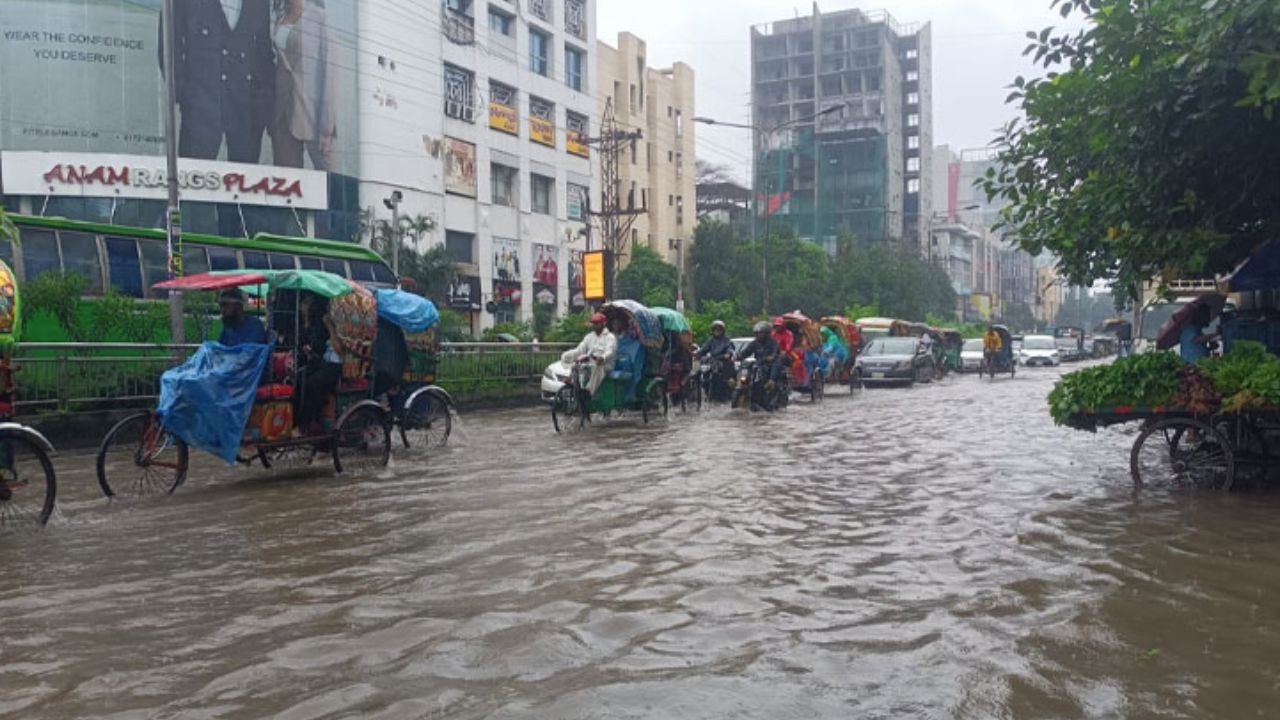

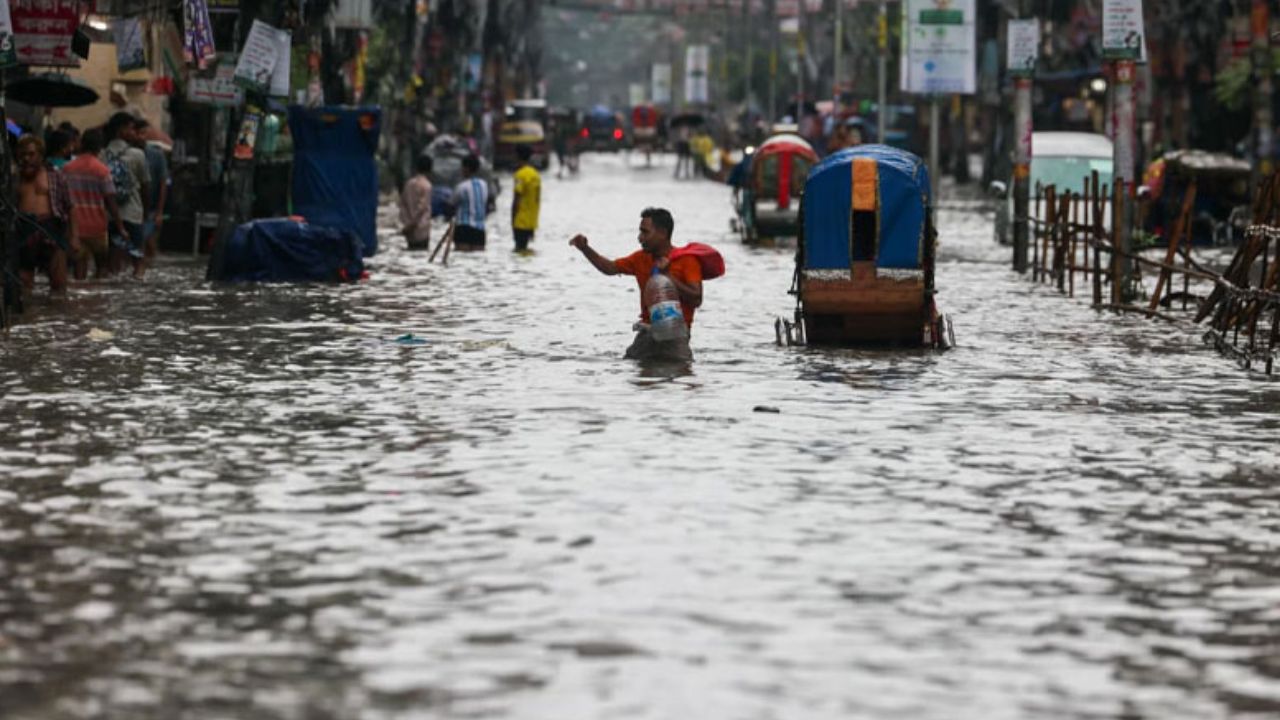
Heavy rainfall since Saturday night has submerged large parts of the capital, disrupting traffic movement and causing severe hardship for residents across the city.
From office-goers and students to people seeking emergency services, thousands of commuters faced difficulties as major roads and narrow lanes turned into waterways, leaving many stranded.
According to the Bangladesh Meteorological Department, Dhaka received 76mm of rainfall between midnight and 6am on Sunday, the highest six-hour rainfall recorded in the capital so far this month. The city recorded 97mm of rainfall in the 24 hours until 6am.
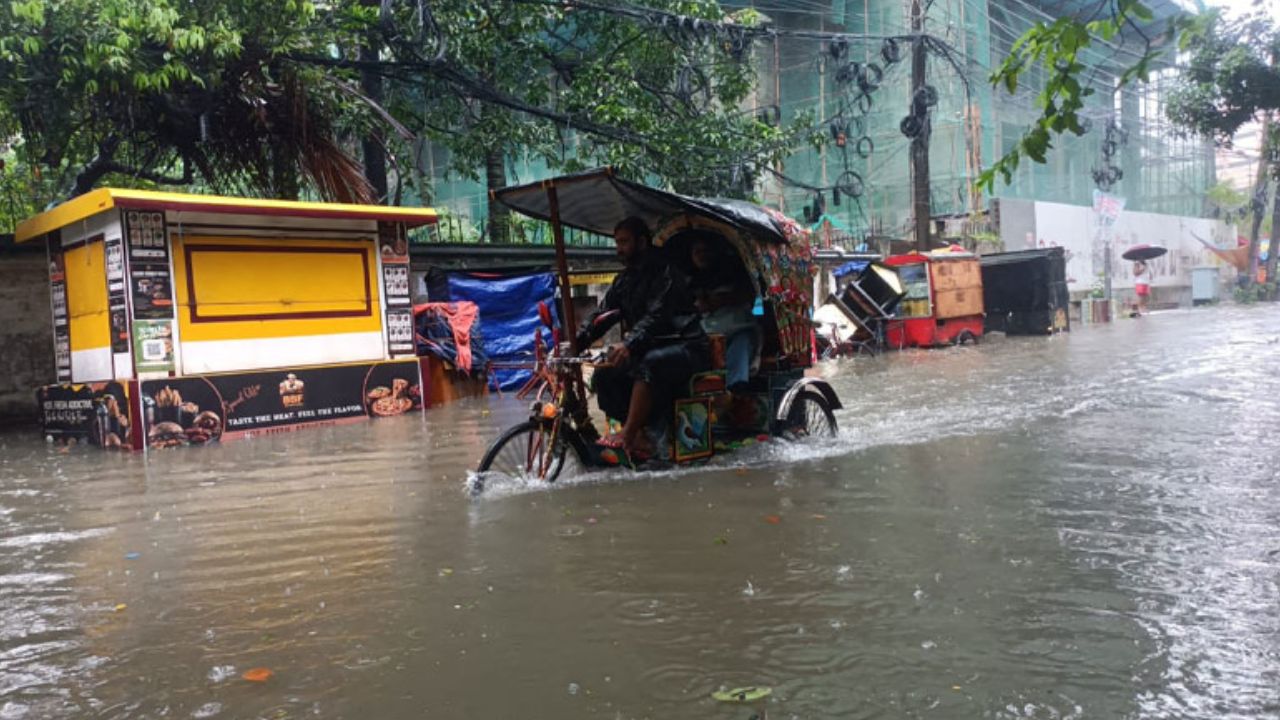
Continuous heavy rainfall has left roads in the Dhaka University area, New Market and Azimpur submerged under knee-deep water, causing severe hardship for pedestrians and commuters.
Passengers alleged that rickshaw pullers were charging two to three times the usual fares, taking advantage of the waterlogging.
Kabi Mia, who visited the Nilkhet Book Market, said, “It is impossible to walk because of the rain. Rickshaw fares have doubled or tripled. There is no option to walk either.”

While the rain caused widespread disruption on roads, open spaces in the capital presented a different scene. Young people were seen playing football on rain-soaked fields despite the downpour.
Redowan Ahmed, who came to play at the field of Dhaka University’s Haji Muhammad Mohsin Hall, said, “Classes were cancelled due to the rain, so I came to play football with my friends and enjoy the day.”
The situation was particularly severe in Dhanmondi, where rainwater entered residential areas, flooding ground-floor garages and homes. Residents of Dhanmondi 6/A and nearby areas said that while waterlogging was a regular problem, the latest spell of rain had been unusually severe, with knee-deep water making it difficult for motorcycles and private cars to move.



“I have been trying to go out since morning to buy urgent medicine for my father, but the roads are impassable,” said local resident Mezbah ul Shimanto. He said the knee-deep water had made even essential travel nearly impossible.
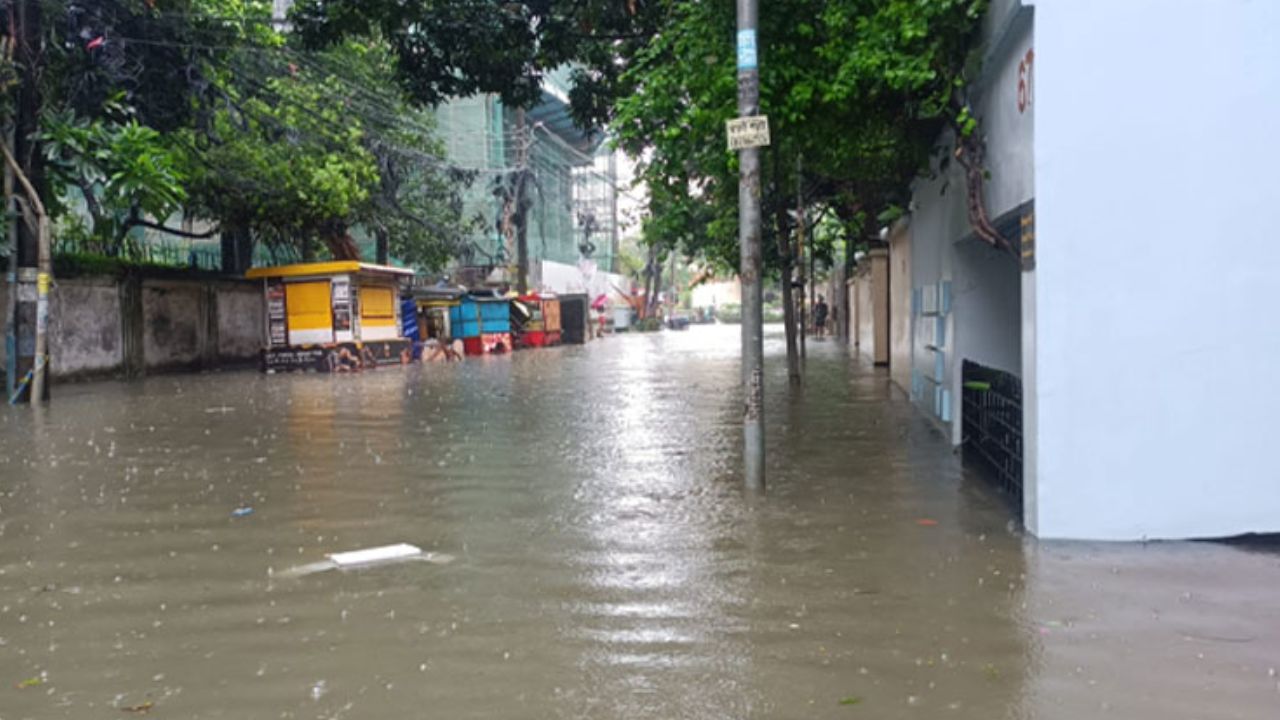
The situation also worsened in Mirpur, where residents of Mirpur-14 and Bhashantek struggled through knee- to waist-deep water. Traffic remained heavily congested from Mirpur-10 to sectors 11 and 12, while footpaths beneath the Metro Rail were also submerged.
Journalist Rity said she had to change three rickshaws to reach her workplace after two battery-run autorickshaws broke down on flooded roads.
Another office employee, Lina, said roads near her home in Shewrapara were submerged, forcing her to walk through nearly knee-deep water to reach work.
The city’s largest wholesale hub, Karwan Bazar, was also severely affected by the flooding. The usually busy market saw reduced activity as knee-deep water covered surrounding roads, disrupting the movement of traders and transport vehicles.
Traders arriving from different parts of the country faced difficulties transporting perishable goods, while many complained that transport costs had increased sharply. Commuters and traders alleged that rickshaw, CNG-run auto-rickshaw and mini-truck operators were charging two to three times the usual fares to travel through flooded roads.
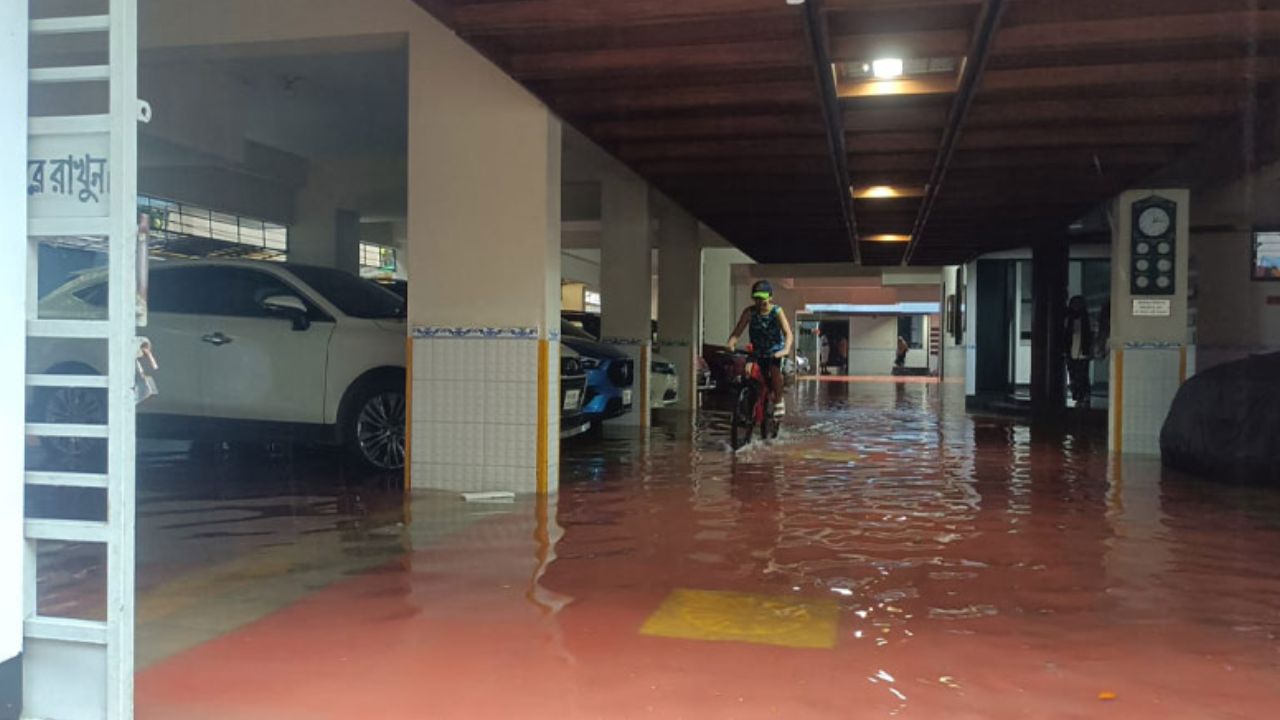
Many residents blamed inadequate drainage systems for the prolonged waterlogging, saying the current monsoon rainfall had exposed the limitations of existing measures.
Although authorities had earlier taken initiatives to improve drainage infrastructure in areas such as Dhanmondi, residents said those efforts had failed to prevent severe water accumulation during heavy rainfall.
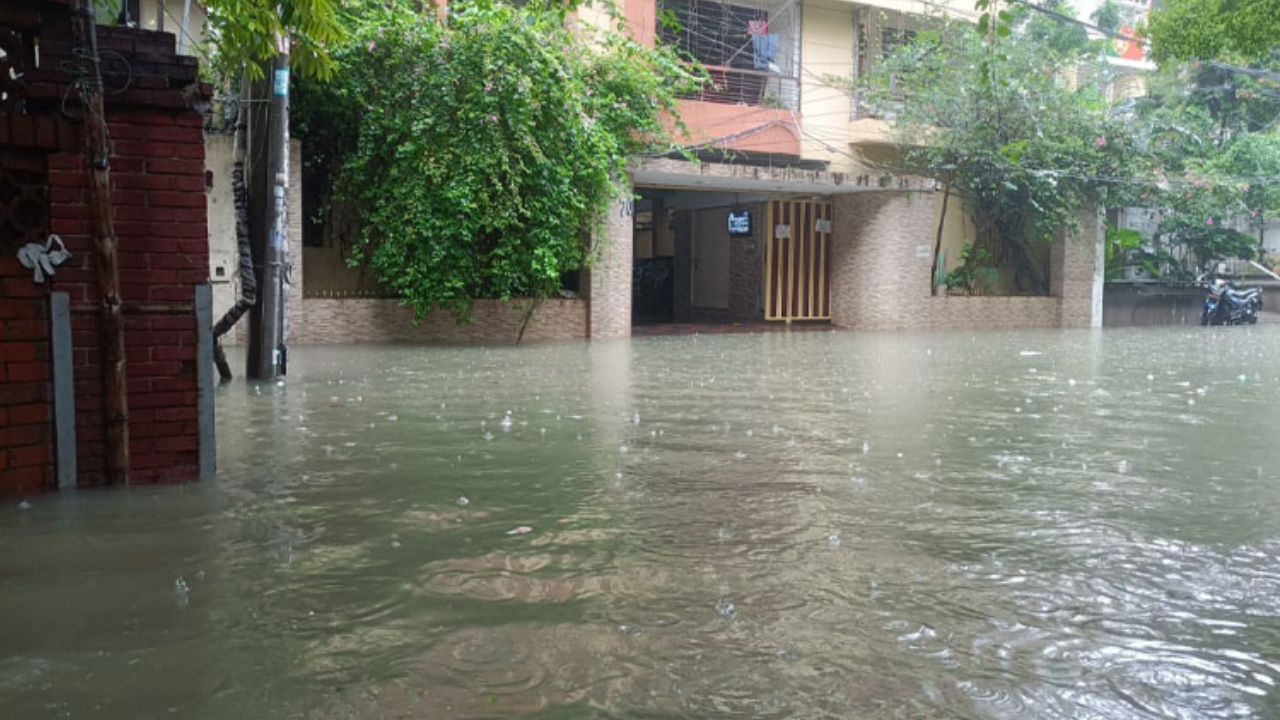
According to the Bangladesh Meteorological Department, heavy rainfall may continue for several more days due to an active monsoon and the influence of a depression.
With the ground already saturated and drainage systems struggling to cope, residents fear further disruption across the capital in the coming days.
Meanwhile, the Bangladesh Meteorological Department said rainfall may continue throughout the day due to the active monsoon.
Flooding has already affected seven districts, with the heaviest rainfall recorded in Chattogram and Sylhet divisions, although rainfall in those areas eased slightly on Saturday.