



The conflict in the Middle East escalates as Israel’s assassination threat against Mojtaba Khamenei raises eyebrows and sparks discussions about a potential regime change plan. In the complex tapestry of Middle Eastern politics, the recent attempts to instigate regime change in Iran have not only faltered but have also set the stage for a series of retaliatory tactics. Despite the setbacks, Israel seems undeterred, continuing to map out a strategy that involves targeted assassinations as a means to exert influence and destabilise their adversaries. As the situation unfolds, the question remains: what are the broader implications of these tactics for the region and beyond? Prominent journalists and political scientists delve into this intricate narrative of power, conflict, plotting and intrigue.
The unfolding events may reshape alliances and redefine power dynamics, leaving many questioning the long-term consequences of such actions. In response, Iran has officially lodged a complaint with the United Nations, condemning Israel’s threatening remarks as an act of ‘state terrorism,’ according to reports. Iranian Foreign Minister Abbas Araghchi issued a stark warning on Wednesday, asserting that Tehran would respond swiftly and decisively to any threat to its leadership. During a memorial ceremony commemorating the victims of the 2006 Lebanon war, Katz elaborated on Israel’s military posture, citing past pre-emptive strikes against Iranian targets. He emphasised Israel’s intent to maintain a continuous military presence in strategic areas, which he referred to as ‘security zones,’ within Lebanon, Syria, and Gaza, aimed at safeguarding Israeli communities from potential threats.

Despite their efforts, both Netanyahu and Trump fell short in their attempts to alter the regime in Iran, a nation considered the fourth most powerful on the global stage at this moment. Their ambitions included a mix of overt and covert operations involving the CIA and Mossad strategies that ultimately led to surprising outcomes. Israel initially aimed to influence regime change in Iran with the help of the US, viewing it as a strategic move in the context of power dynamics among nations.

The notion of regime change involves complex discussions, particularly when powerful nations, known as hegemonies, intervene in the governance of other countries. In the current global landscape, Iran, a heavily sanctioned country for nearly five decades, is recognised as a significant player and is ranked as a fourth superpower alongside the United States, Russia, and China, based on its air warfare technology demonstrated in recent wars with the US and Israel.
In contrast, Israel is a small nation with nuclear capabilities and advanced military technology and intelligence, yet it relies heavily on the United States for financial aid, intelligence, ammunition and military support, underscoring its dependence in the geopolitical arena.
The once-ambitious Greater Israel plan is now crumbling, overshadowed by the tense ceasefire arrangements with Gaza, Iran, and Lebanon, leaving Netanyahu in a state of desperation. This situation represents not only a significant blow to Netanyahu but also a staggering setback for President Trump. Both leaders are reaping the consequences of their inability to recognise the strategic advantages held by Iran, an adversary that has garnered support from China and has been equipped with advanced military technology, which both the United States and Israel chose to underestimate. The unfolding events illustrate a profound misjudgment in the geopolitical landscape, highlighting the complexities of military power and alliances that neither leader grasped adequately.
Furthermore, Israel has been reported to have targeted Hamas negotiators, further complicating the landscape of trust in international negotiations. The actions of both the U.S. and Israel have raised concerns among those involved in diplomatic discussions and have led many to question the reliability of such parties in negotiations.
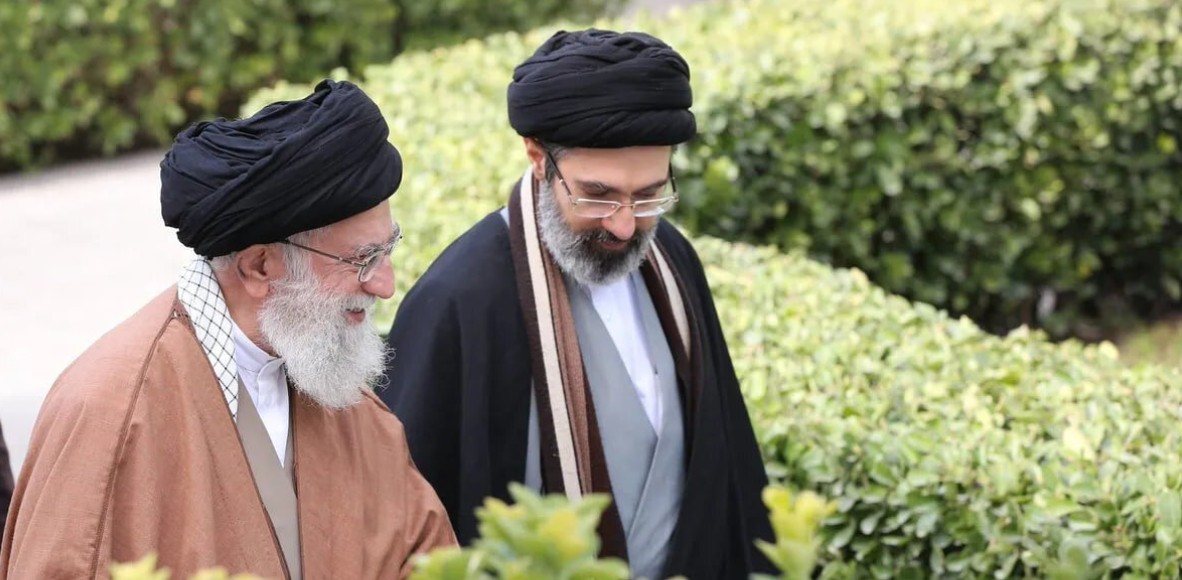
There is no official confirmation of Mojtaba Khamenei’s fate, though his precise condition and location remain the subject of intense discussion. The conflicting accounts and current intelligence imply the following: He was officially appointed Iran’s Supreme Leader on March 8, 2026, succeeding his father, the deceased Ayatollah Ali Khamenei, who was killed in a joint U.S.-Israeli strike on February 28, 2026. Intelligence briefs and international media have suggested that he was also hurt in that same February 28 attack.
On June 22, 2026, The Guardian reported ongoing negotiations despite tensions caused by the US president’s threats to bomb Iran and kidnap its negotiating team unless the Strait of Hormuz was reopened. Iranian state media indicated the talks had become challenging, particularly after an insulting message from the US president. The Iranian delegation met with Qatari mediators before leaving the negotiation site. During the negotiations, Saudi Foreign Minister Prince Faisal played a crucial role in persuading Iran to stay by communicating with military leaders in Pakistan and emphasising the need for the negotiations to succeed. Qatar guaranteed financial support to Iran, assuring them they would receive their funds back even if the US withdrew from negotiations. Saudi Arabia also promised to ensure that Iran would get their money back, underlining the importance of keeping Iran at the negotiating table.
Pepe Escobar, a seasoned geopolitical correspondent, and Larry Johnson, a former CIA and State Department counterterrorism expert, have discussed in several podcasts and written pieces the alleged attempts by Israel to assassinate key Pakistani figures, Asim Munir and Shehbaz Sharif. Escobar further elaborates on the positions of Iran and the U.S. regarding a memorandum of understanding, along with other significant revelations about West Asia and South Asia that have not been covered by mainstream media outlets. Additionally, it has been reported that Pakistani intelligence informed the Iranian Foreign Minister Abbas Araghchi and Parliamentary Speaker Mohammad Ghalibaf. A Pakistani official told Reuters that the warning highlighted the potential risks of such actions, indicating that the removal of these leaders could create a power vacuum in Iran that might favour hardline commanders within the Islamic Revolutionary Guard Corps (IRGC). Following this alert, the U.S. intervened to prevent the execution of these strikes.
It’s troubling to witness Israel preparing for more targeted assassinations with the backing of the US. The global community has seen how the approach in Iran resulted in a failed attempt at regime change. This should serve as a crucial lesson for reevaluating US foreign policy moving forward. Could Chinese technology play a pivotal role in curbing Israel’s potential assassination agenda in the future? One can’t help but wonder about the implications for the new supreme leader, Mojtaba Khamenei, and what lies ahead for his leadership. The upcoming events could significantly shape the geopolitical landscape.
The views expressed in this article are solely those of the author
The writer is a freelance analyst


