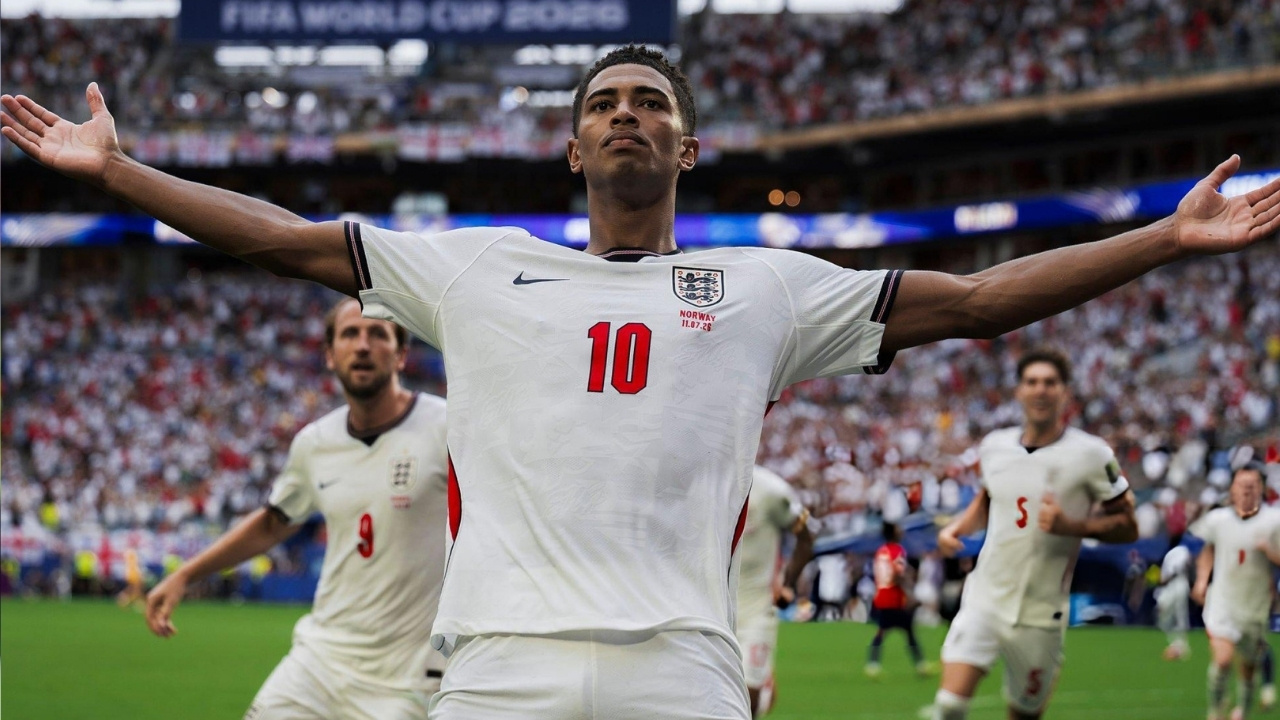

“Take a sad song and make it better” has become something of an unofficial motto for this England side. Whenever the mood darkens and the pressure rises, Jude Bellingham seems to rewrite the ending, and the echoes of the Beatles classic ‘Hey Jude’ feel impossible to escape around this squad, hummed on team coaches and belted out by supporters in Miami’s sticky heat until a boy’s name becomes a rallying cry. Jude Bellingham has become that song made flesh, the one England fans reach for whenever things start to go wrong, because more often than not, he is the one who puts them right again.
Bellingham struck twice as England beat Norway 2-1 after extra time in a bruising World Cup quarter-final in Miami on 12 July, dragging Thomas Tuchel’s side into the semi-finals for the first time since 2018 despite a performance the head coach later described as sloppy and fortunate. Andreas Schjelderup had given Norway a deserved lead before the break, only for Bellingham to level from the edge of the box in first-half stoppage time after a mix-up in Norway’s defence involving a goal kick that appeared, on Norwegian television replays, to have clipped an overhead camera cable. FIFA’s ball-tracking technology found no such contact, though Norway coach Stale Solbakken remained unconvinced the sensor told the full story.
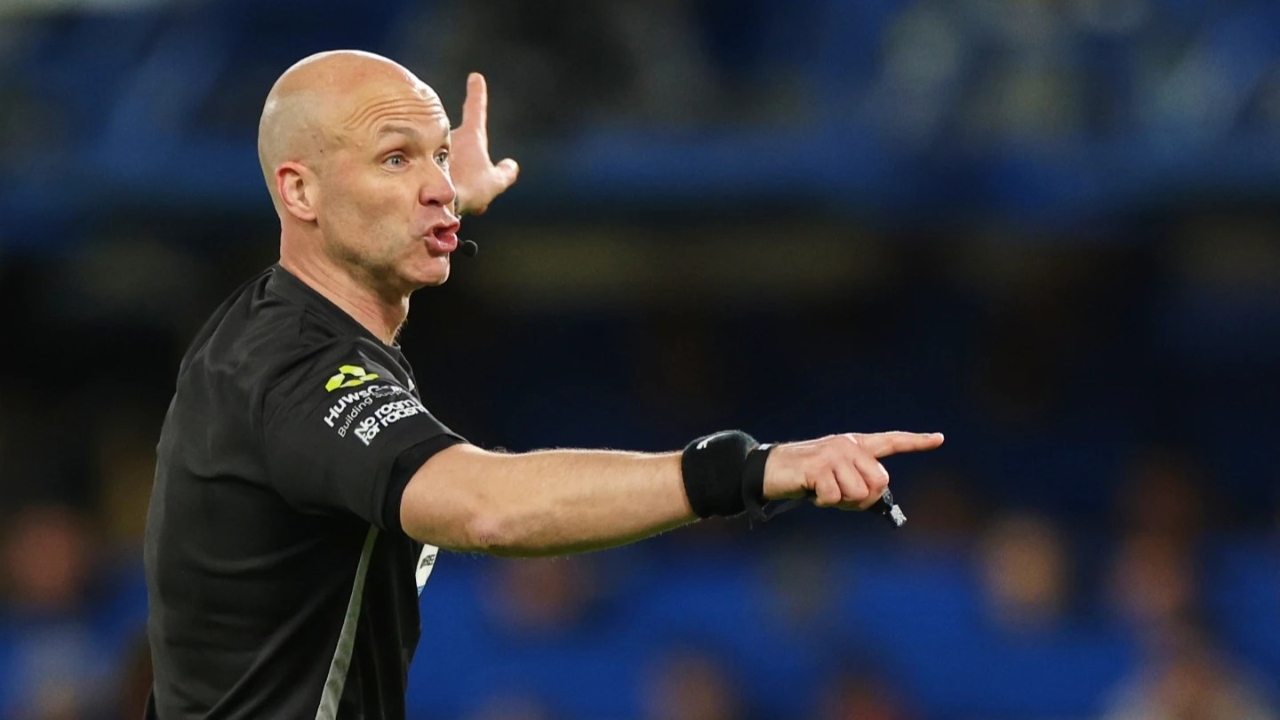
The contest swung further in the second half when Torbjorn Heggem had a goal chalked off following a VAR review for an earlier push by Erling Haaland at a corner, and again in extra time when Djed Spence appeared to win a penalty, only for referee Clement Turpin to overturn his own decision on review. It was Bellingham who finally settled the tie, pouncing in the third minute of extra time after goalkeeper Orjan Haskjold Nyland spilled a long-range effort from Morgan Rogers.

The victory extended a remarkable individual run for the 23-year-old, who has become the first player to score twice or more in consecutive knockout matches at a single World Cup since Diego Maradona managed the feat in 1986. Only Pele, at 17 during Brazil’s triumphant 1958 campaign, has achieved it at a younger age. Bellingham’s tally now stands at six goals for the tournament, two behind both Lionel Messi and Kylian Mbappe and level with captain Harry Kane, having previously inspired a stirring comeback win over Mexico in Mexico City with a similar brace. Statistically, his fingerprints were all over the win in Miami too, leading England for shots, touches inside the opposition box, duels won and fouls won.
The wider numbers are just as striking. Nine of his twelve international goals have arrived at major tournaments, five of them putting England ahead and two levelling scores at critical moments, a habit that has repeatedly rescued Tuchel’s side when games threatened to slip away. Among Englishmen, only Gary Lineker’s haul of six in 1986 matches his tally of non-penalty goals in a single World Cup, and there remains at least one more match, possibly two, for Bellingham to add to that list.
Yet for all the heroics, the aftermath in Miami carried an edge. Tuchel was blunt in his assessment of the performance, calling it sloppy, too slow and lacking in repetition, and admitting his side had been fortunate to win. Bellingham was clearly unimpressed when the comments were relayed to him, offering a curt dismissal before pointing out the difficulty of playing in searing conditions against a Norway side built around Haaland, Martin Odegaard, Antonio Nusa and Alexander Sorloth. He argued that grinding out results ugly was sometimes unavoidable, and that his priority lay with praising teammates who had put in a gruelling shift rather than dwelling on the manner of victory. Tuchel later moved to play down any rift, insisting he remained fully supportive of his players even while maintaining they could still find a higher level.
There is a growing sense that this tournament belongs to Bellingham in the way earlier World Cups became defined by a single Englishman: Paul Gascoigne’s swagger in 1990, Michael Owen’s teenage breakthrough in 1998, or Kane’s Golden Boot triumph in 2018. What sets Bellingham apart is a rare blend of technical craft and sheer force of will, a quality some now compare to Steven Gerrard’s old habit of single-handedly dragging his country through matches, albeit with the World Cup end product that always eluded Gerrard.
His rise has not been without turbulence. Left out of an England squad as recently as last year following a public falling out with Tuchel, and facing genuine competition for his starting spot from boyhood friend Morgan Rogers before the tournament began, Bellingham has answered every question asked of him since the opening game against Croatia. There have been moments of frustration and combustibility along the way, including a heated reaction after losing possession in Mexico City, but nothing that has tipped into indiscipline. Team-mates and coaches alike point to a maturity now underpinning the talent, with Bellingham as likely to be found offering a pep talk to a struggling defender as celebrating his own goals.
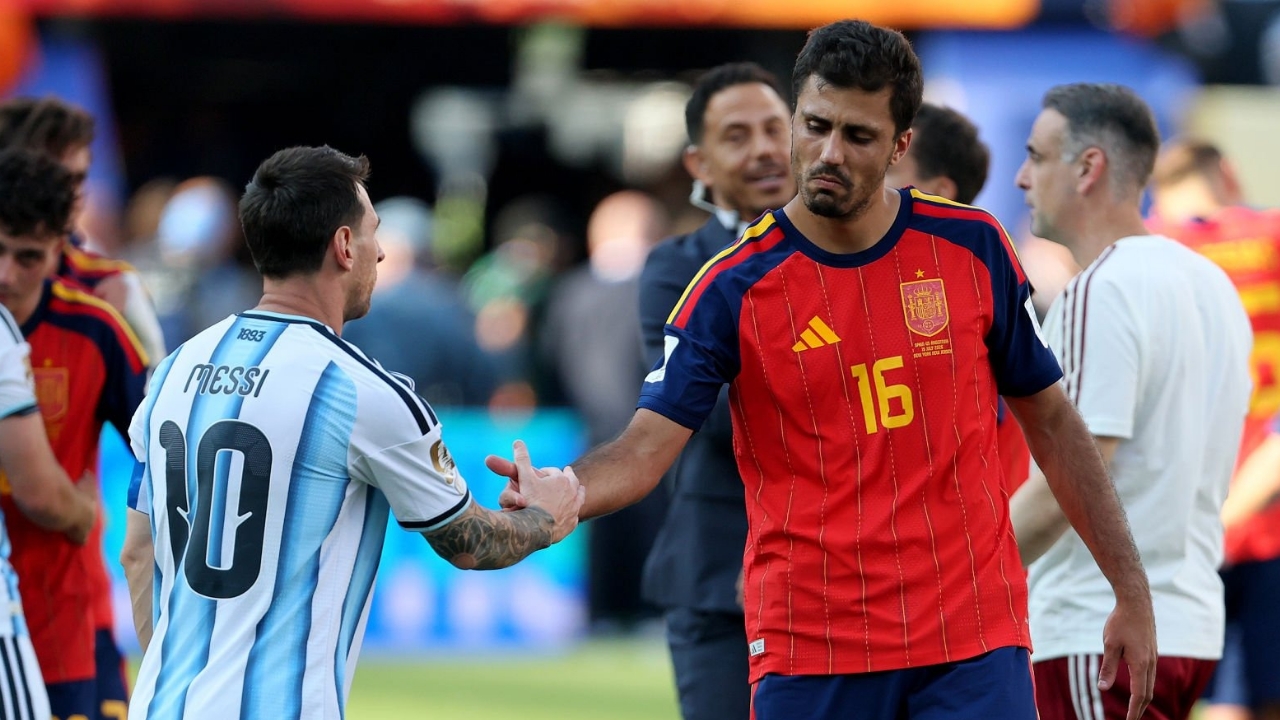
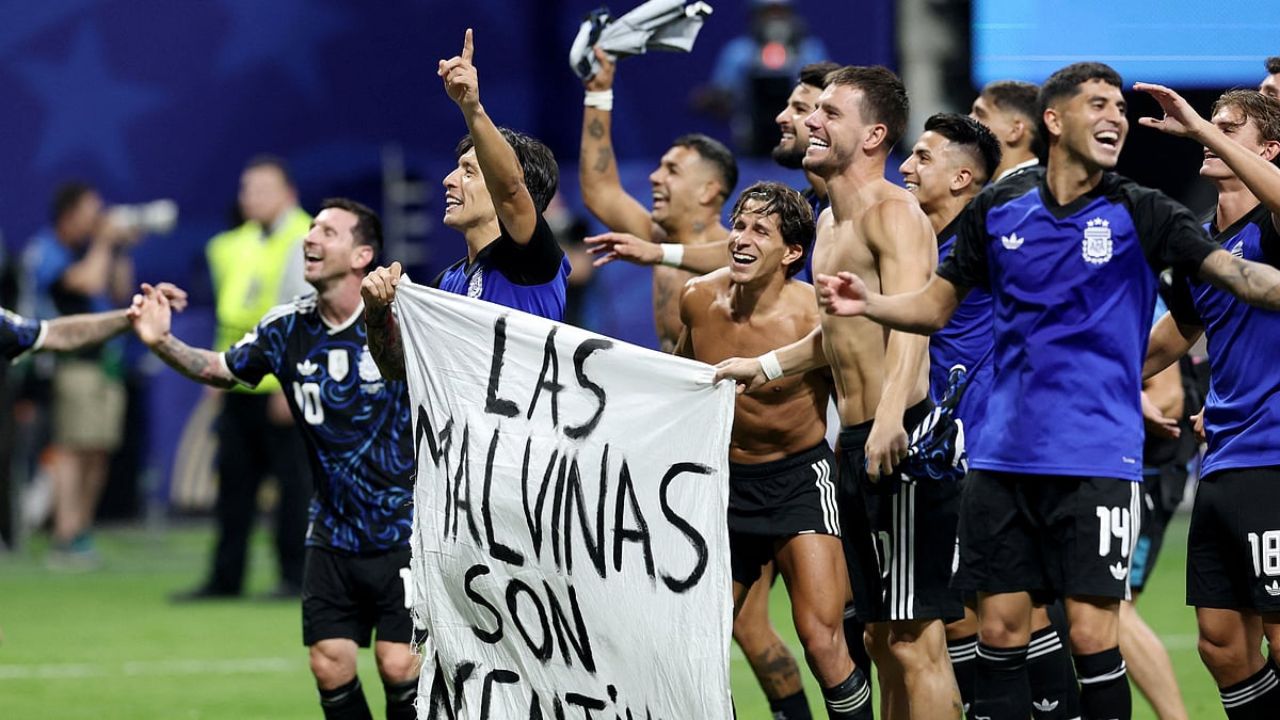
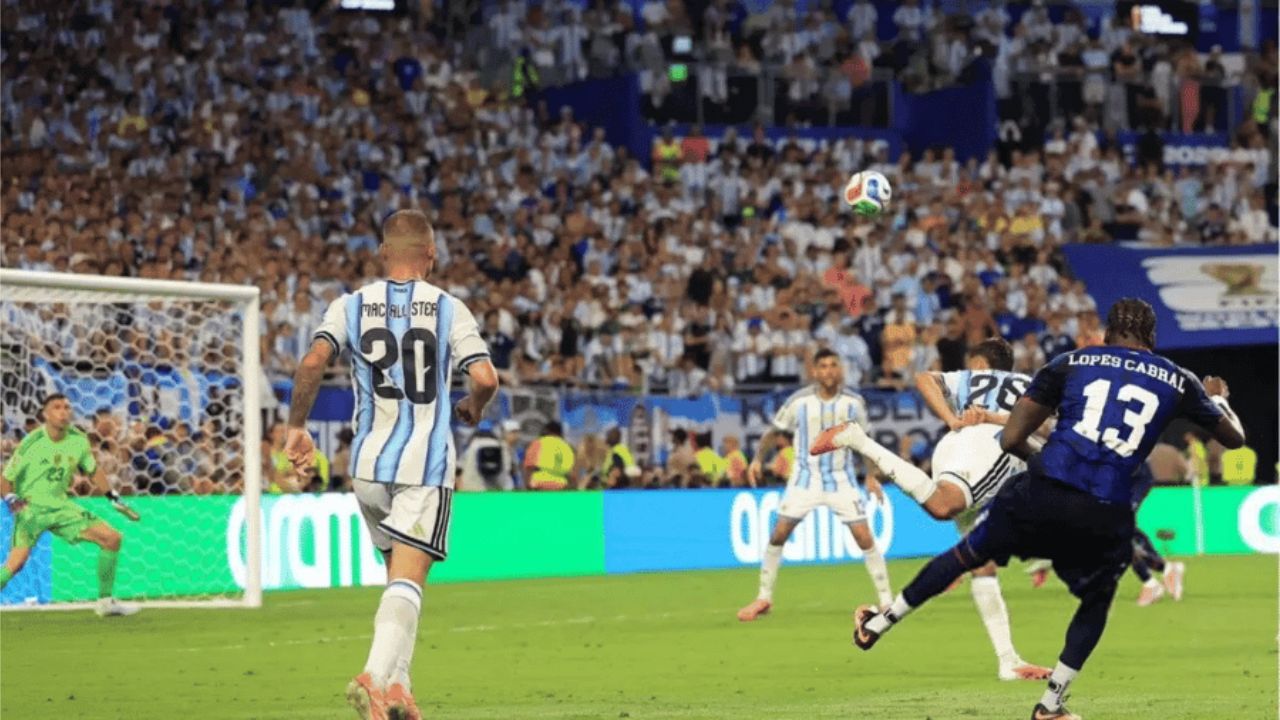
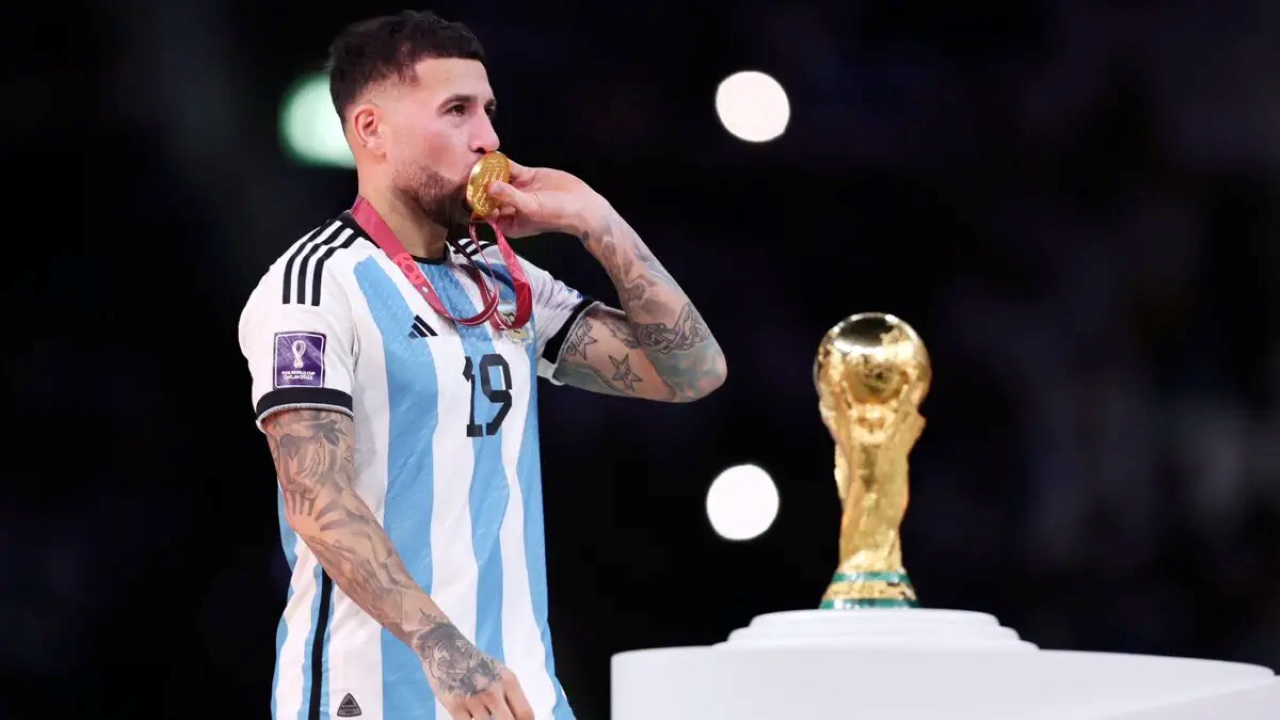
What lies ahead may prove to be the sternest test yet of that growing reputation. England face Argentina in Atlanta on Thursday, a meeting that will pit Bellingham directly against Messi in a duel likely to shape which side reaches the final to face France or Spain. Messi, at 39 and playing in what is widely assumed to be his last World Cup, arrives with eight goals of his own and the experience of already lifting the trophy in Qatar. Bellingham, by contrast, is still writing his own World Cup story, one increasingly filled with rescue acts, moments of individual brilliance and a nation growing more convinced with every match that he might be the one to finally end a wait stretching back to 1966.
Whatever unfolds in Atlanta, England’s players have made clear that winning ugly suits them fine if it keeps this run alive. For a team that has looked ragged for long stretches of this tournament, having a player capable of bending matches to his will, again and again, may prove to be the difference between an admirable run and a genuine shot at the trophy.