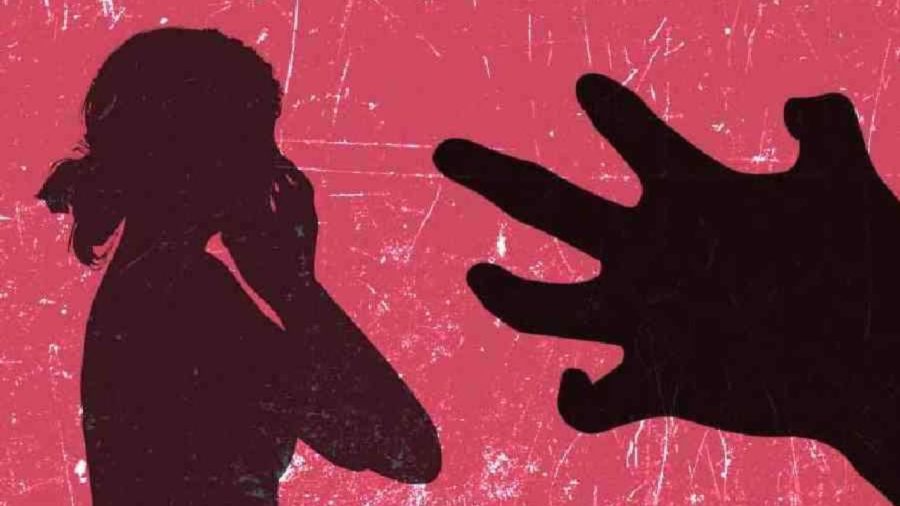



Bangladesh University of Professionals student Sharmin Sultana Ankhi was travelling home from Farmgate on a Bihanga Paribahan bus. The bus was almost empty, and she was sitting beside a window. Just before it departed, a middle-aged man carrying a leather office bag sat beside her. He appeared tired and leaned back in his seat.
After a while, his leg touched Ankhi’s. She initially thought it was accidental and moved closer to her seat. But soon, the man began striking her sensitive body parts with his elbow. Ankhi shouted at him in anger, but none of the other passengers came to her support. She eventually moved to another seat.
“When I shouted and asked him why he was bad-touching me, none of the other passengers on the bus spoke up for me,” the young woman told TIMES.
Research on women’s safety in Dhaka suggests that Ankhi’s experience is far from isolated.
A 2022 study by Aston University, titled Street Harassment in Bangladesh: Women’s Experiences and Perceptions in Urban Settings, interviewed 45 women aged between 18 and 28 living in Dhaka. All reported experiencing some form of harassment while moving around the city.
The forms of harassment identified in the study included obscene gestures and sounds, unwanted staring, sexual and obscene comments, insults or threats, physical harassment, following or stalking, and indecent exposure. There were also incidents of men publicly masturbating when they saw women.
A 2024 study conducted by the Centre of Excellence for Urban Equity and Health (CUEH) of BRAC James P Grant School of Public Health found that 79 per cent of the women surveyed had experienced sexual harassment at least once in their lives.

Forty-five per cent had experienced unwanted physical touching, while 36 per cent reported unnecessary touching by helpers on public transport. Fifty-four per cent had experienced obscene or unnecessary staring, 40 per cent obscene or dirty comments, and 48 per cent said passengers had intentionally stood uncomfortably close to them.
Fifty-six per cent of women who experienced sexual and general harassment said they were mentally traumatised afterwards.
Since the mass uprising of 5 August 2024, concerns over women’s safety have intensified. Over the past two years, thousands of victims have taken to social media to protest harassment and taunting over their clothing. The ruling BNP has also emphasised women’s safety and empowerment in its election manifesto and campaign.
Its pledges include strict legal measures against gender-based online violence and bullying, exemplary punishment for rape and violence against women, specialised women’s support cells at union level, and initiatives for women’s social and economic development.



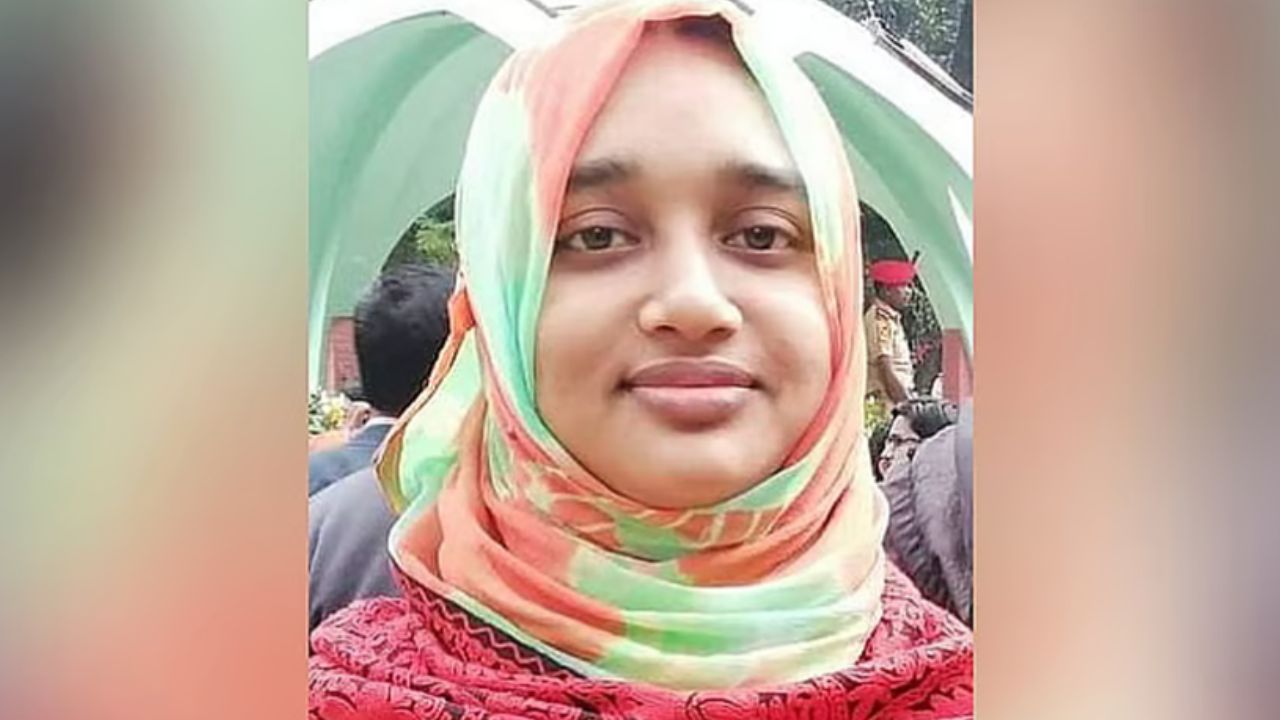
Although the situation has improved somewhat since the elected government came to power, women remain frustrated.
“Almost 90 per cent of women in Bangladesh are facing harassment,” Presidency University student Tanjila Akter Ema told TIMES. “Do we want a Bangladesh where women’s freedom of movement depends on their own courage, or do we want a Bangladesh where the state, institutions and society work together to ensure women’s safety?”
She said social media had become another arena for harassment.
“Even before making a post or comment, we have to think about the possible reaction. There are even incidents of obscene images or videos being created using women’s photographs through artificial intelligence (AI) and then circulated.”
Dipti Shikdar, director of Legal Advocacy and Lobby at the Central Committee of Bangladesh Mahila Parishad, said inadequate street lighting and insufficient police patrols were contributing to women’s insecurity.
“Many roads in Dhaka do not have adequate lighting, and police patrols are also fewer than necessary. Because of these factors, women travel around the city in a constant state of insecurity,” she said.
Dipti said such attitudes towards women were not new.
Recalling her college days, she said, “Even around 1990, when I used to pass along the road behind Begum Badrunnesa College, I would encounter obscene gestures from rickshaw pullers. Some of them would sit there with their clothes lifted.”
She said a social mindset that sought to restrict women’s freedom and progress continued to fuel various forms of violence and harassment.
Salma Ali, former president of the Bangladesh National Women Lawyers’ Association, said women were often treated as easier targets.
“A man walking alone does not face this kind of attack. Even if the attacker is mentally unstable, he unconsciously chooses a woman as a weaker target,” she said.
In her view, Bangladesh remains under patriarchal dominance, with a section of society yet to accept women’s presence and free movement as normal.
The reaction of bystanders is another troubling aspect.
Ankhi said the other passengers did not protest even after she shouted. In various accidents and incidents of violence, people have also been seen recording videos on their mobile phones rather than helping.
Sociology professor Mohammad Mahbub sees this as an erosion of collective moral values.
“When a woman is subjected to violence on a crowded street and the people around her remain busy recording videos instead of extending a helping hand, we have to understand that the crisis does not concern only an isolated individual. It is a frightening manifestation of our eroding social values, collective indifference and a shared psychology of normalising women’s insecurity in public spaces,” he said.